

Ringworm is a common fungal infection, but it is not caused by a worm. The name comes from the ring-shaped rash it creates on the skin. The fungi that cause it are called dermatophytes, and they feed on keratin, a protein found in skin, hair, and nails. If you are dealing with an infection at home, you likely want to know how long these fungi can survive on your couch, floor, or towels. The direct answer is that ringworm fungi can live on surfaces for months under the right conditions. However, the exact survival time depends heavily on the type of surface and the environment around it.
How Long Will Ringworm Live On Surfaces?
Ringworm fungi can survive on non-porous surfaces like plastic and metal for up to 12 months in laboratory conditions. On porous surfaces like fabric, wood, and carpet, the survival time is generally shorter, often ranging from a few weeks to a few months. The fungus needs a warm, moist environment to thrive, and it dies faster in dry, cool, or sunny conditions. These survival times are based on laboratory studies; in a real home setting, the fungus typically dies much faster because of cleaning, drying, and temperature changes.
The fungal spores are remarkably resilient. They are not like bacteria that die quickly when they dry out. Dermatophyte spores can remain dormant for extended periods, waiting for the right conditions to become active again. This is why ringworm can reappear in a household even after everyone has been treated. The key factor is moisture. In a dry environment, the fungus cannot grow, but it can still survive in a dormant state.
Which Surfaces Are Highest Risk for Spreading Ringworm?
Not all surfaces pose the same risk. The fungus spreads through direct contact with infected skin or contaminated objects. The riskiest surfaces are those that come into frequent contact with bare skin and hold moisture.
High-risk surfaces include:
- Towels and washcloths: These absorb moisture and are used on the skin daily.
- Bedding and pillows: Prolonged skin contact during sleep provides warmth and moisture.
- Clothing and hats: Tight clothing, socks, and headwear trap sweat against the skin.
- Shower floors and bathtubs: Warm, wet environments are ideal for fungal growth.
- Sports equipment: Wrestling mats, gym mats, and helmets are shared and rarely dried quickly.
- Hairbrushes and combs: These can carry fungal spores on the scalp.
Low-risk surfaces include dry wood, metal, and hard plastics that are not frequently touched by bare skin. A dry doorknob is unlikely to spread ringworm, but a damp bathroom mat can easily do so.
How Temperature and Humidity Affect Fungal Survival
Temperature plays a major role in how long ringworm fungi survive. Dermatophytes grow best at skin temperature, around 86°F to 95°F (30°C to 35°C). They can survive at cooler temperatures but stop growing. Heat above 120°F (49°C) kills the fungus, which is why washing items in hot water is an effective control method.
Humidity is equally important. The fungus requires moisture to grow and reproduce. In dry indoor air, the fungus dehydrates and dies more quickly. In humid environments like bathrooms or during summer months, the fungus survives longer. One study found that dermatophytes can remain viable on cotton fabric for up to six months when kept in a humid environment. In dry conditions, the same fungus died within two weeks.
Sunlight also helps kill the fungus. Ultraviolet (UV) radiation damages fungal DNA, so items left in direct sunlight for several hours will have reduced fungal loads. This is a simple, free method to help disinfect items that cannot be washed.




How Long Is Ringworm Contagious on Skin?
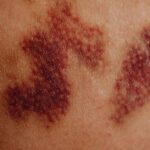
The fungus is contagious as long as live spores are present on the skin or in the environment. On an infected person, ringworm remains contagious until the fungus is killed by treatment. With proper antifungal treatment, the contagious period typically lasts about 48 hours after starting medication. Without treatment, the infection can remain contagious for weeks or months.
It is important to understand that the visible rash may take several weeks to disappear even after the fungus is dead. The skin needs time to heal and regenerate. Just because the rash is still visible does not mean the person is still contagious. However, if treatment is stopped too early, the fungus can regrow, and the person becomes contagious again. Always finish the full course of treatment prescribed by a doctor.
How to Clean and Disinfect Surfaces to Kill Ringworm
Cleaning ringworm-contaminated surfaces requires a two-step process. First, clean the surface to remove dirt and organic material. Second, apply a disinfectant that kills fungi. Many household cleaners kill bacteria but not fungi, so check the label for antifungal claims.
Effective cleaning methods include:
- Laundry: Wash bedding, towels, and clothing in hot water above 140°F (60°C). Add bleach if the fabric allows it. Dry on the highest heat setting.
- Diluted bleach: Mix one part bleach with nine parts water. This solution kills fungal spores on hard, non-porous surfaces. Rinse thoroughly after application.
- Commercial disinfectants: Look for products labeled as fungicidal or effective against Trichophyton species, the most common cause of ringworm.
- Vinegar: White vinegar has some antifungal properties, but it is not as reliable as bleach or commercial disinfectants. It may be useful for surfaces that cannot tolerate bleach.
- Steam cleaning: Steam cleaners reach temperatures above 212°F (100°C), which kills fungal spores on carpets and upholstery.
For items that cannot be washed or steamed, such as hairbrushes or combs, soak them in a bleach solution for 30 minutes. For sports equipment, wipe down surfaces with a fungicidal disinfectant and allow them to dry completely before storage. Remember that the fungus cannot survive on a completely dry surface for long, so ensuring items are dry is a critical part of prevention.
Can Ringworm Live on Surfaces After Treatment Ends?
Yes, this is a common reason for reinfection. Treating the infected person or pet does not automatically clean the environment. Fungal spores can remain on bedding, carpets, and furniture long after the visible infection has cleared. If these spores come into contact with skin, the infection can start again.
This is why veterinarians and dermatologists recommend cleaning the environment at the same time as treating the infection. The most common scenario is a household with pets. Cats and dogs can carry ringworm without showing obvious symptoms. Treating the human infection while the pet remains untreated leads to a cycle of reinfection. Similarly, if bedding is not washed, the spores remain and can reinfect the same person after treatment ends.
To break the cycle, clean all high-risk surfaces thoroughly during treatment and again after the infection has cleared. Wash all bedding and towels used by the infected person. Vacuum carpets and upholstery, then dispose of the vacuum bag. If you have pets, have them examined by a veterinarian for ringworm.
Some research suggests that certain essential oils, like tea tree oil, have antifungal properties. However, no clinical evidence confirms that these oils are effective for disinfecting surfaces or treating ringworm infections. They are not a substitute for proven antifungal medications or proper cleaning methods.
Frequently Asked Questions
Can ringworm live on a couch?
Yes, ringworm fungi can survive on fabric upholstery for several weeks to months. Steam cleaning or using a fungicidal spray designed for fabrics is the most effective way to remove it.
Does bleach kill ringworm on surfaces?
Yes, a solution of one part bleach to nine parts water kills ringworm spores on hard, non-porous surfaces. Rinse the surface with clean water after disinfecting.
Can I get ringworm from my pet?
Yes, pets can carry ringworm fungi and pass them to humans through direct contact. Have your veterinarian examine any pet with bald patches or scaly skin.
How long until ringworm is not contagious?
Ringworm is no longer contagious about 48 hours after starting effective antifungal treatment. Without treatment, it remains contagious indefinitely.
