
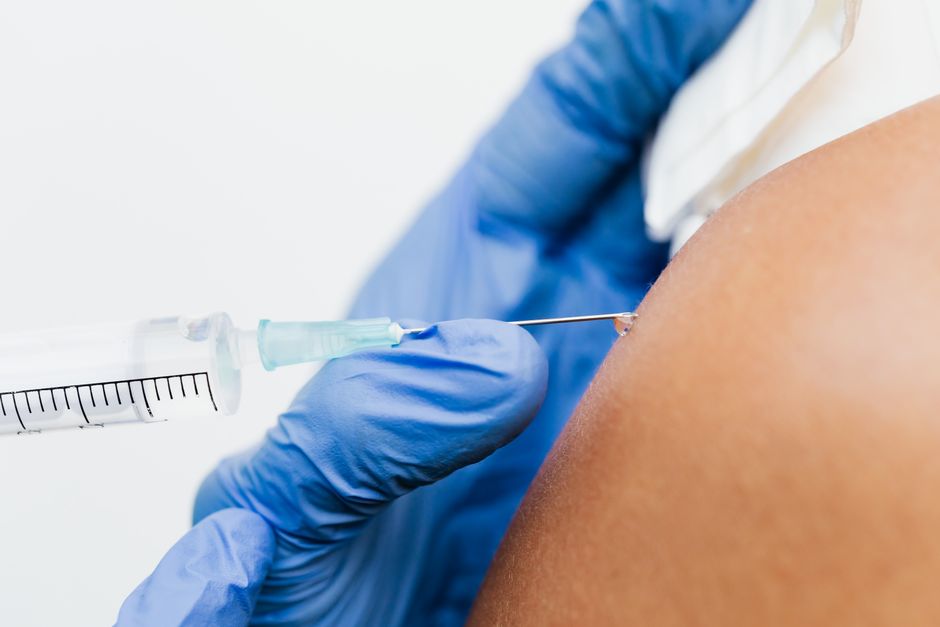
A steroid injection can raise blood sugar for anywhere from a few hours to several weeks, depending on the dose, the type of steroid, and where it is injected. Most people see their highest readings in the first one to three days after the shot. Readings usually return to normal within one to two weeks for a small joint injection, but can stay elevated for two to four weeks or longer after a large dose or an injection into a muscle or the spine.
The effect is real and well documented. It happens even in people who do not have diabetes, and it can be more pronounced in people who do. If you monitor your blood sugar at home, the pattern will usually be clear: a rise that starts within hours, peaks over the first day or two, and then slowly settles.
How Long Will A Steroid Injection Affect Blood Sugar?
Most steroid injections affect blood sugar for one to two weeks. Larger doses and certain injection sites push that window out further.
The steroid used in these shots is a corticosteroid, not the anabolic steroids some athletes use. The two are completely different drugs with completely different effects. Corticosteroids like triamcinolone, methylprednisolone, betamethasone, and dexamethasone are used to calm inflammation in joints, tendons, bursae, and spinal spaces.
Several factors decide how long the effect lasts:
- Dose. A small injection into a finger joint behaves very differently from a large dose into a hip or the epidural space.
- Type of steroid. Some formulations are designed to dissolve quickly. Others are designed to release slowly over weeks. Dexamethasone tends to clear faster. Triamcinolone and methylprednisolone tend to linger.
- Injection site. A joint injection is more contained. An intramuscular shot or a spinal epidural injection spreads more systemically and tends to affect blood sugar more.
- Your baseline. People with diabetes, prediabetes, or insulin resistance see larger and longer rises than people with normal glucose regulation.
A common clinical observation is that the rise in glucose roughly tracks the anti-inflammatory effect of the drug. When the steroid is working on the joint, it is also working on your glucose metabolism. As the drug clears, both effects fade together.
Why Does A Steroid Injection Raise Blood Sugar?
Corticosteroids raise blood sugar by pushing the liver to release more glucose and by making muscle and fat tissue less responsive to insulin.
This is not a side effect in the usual sense. It is the drug doing exactly what corticosteroids do. These hormones are part of the body’s natural stress response, and one of their jobs is to make sure the brain has enough glucose during a crisis. When you inject a concentrated dose, you get that same effect on a larger scale.
Three things happen at once:
- The liver releases stored glucose into the bloodstream.
- Insulin resistance rises, so the same amount of insulin moves less glucose out of the blood.
- In some people, the pancreas does not fully compensate by making more insulin.
The result is higher readings, especially after meals. This is sometimes called steroid-induced hyperglycemia. It can occur in people with no history of diabetes at all, though the rise is usually smaller and shorter in that group.
How High Can Blood Sugar Go After A Shot?
There is no single number that applies to everyone. The rise depends heavily on your starting point and the dose you received.
In people without diabetes, glucose often rises modestly and returns toward baseline within days. In people with type 2 diabetes, the rise can be substantial. Some clinicians describe glucose levels climbing well above a person’s usual range for several days after a large injection, though the exact degree varies widely from person to person.
What matters more than any single reading is the pattern. A spike that peaks on day one or two and then trends downward is the expected course. A rise that keeps climbing past the first week, or that does not come down at all, is not typical and is worth a call to your doctor.
If you have a glucose monitor, checking more often for the first several days after an injection gives you real information instead of guesswork. Some clinicians recommend this for anyone with diabetes receiving a steroid injection. The evidence for exactly how often to check is not strong, so follow whatever schedule your own clinician suggests.





Who Is Most At Risk For A Blood Sugar Spike?
People with diabetes face the largest and most predictable rise. That group includes anyone with type 1 or type 2 diabetes, and anyone whose blood sugar is already higher than normal.
Others who may see a meaningful effect:
- People with prediabetes, whose glucose regulation is already strained.
- People taking medications that raise blood sugar, such as certain diuretics or antipsychotics.
- People receiving high-dose or repeated injections, especially into the spine or a large muscle.
- People who are older, since glucose handling tends to worsen with age.
People without any of these factors can still see a rise. It is usually smaller and shorter, but it is not zero. If you have never had a glucose problem and you feel unusually thirsty, tired, or are urinating more than usual in the days after a shot, that is worth mentioning to your doctor.
What Should You Do If You Have Diabetes And Need An Injection?
Tell the clinician giving the injection that you have diabetes. That single step changes how the shot may be managed.
Many clinicians will ask you to check your blood sugar more often for several days afterward and will give you a plan for what to do if readings run high. If you take insulin, your dose may need temporary adjustment. If you take oral medications, some clinicians will adjust the dose or add a short-term medication. This is common practice, though the specific approach varies and is not standardized across all clinics.
Do not change any medication on your own based on a few high readings. Steroid-related glucose rises are temporary, and adjusting insulin or other drugs without guidance can cause a low later, once the steroid clears.
Keep a written log of your readings and the times you took them. That record is genuinely useful when you follow up with your doctor, because it shows the shape of the curve rather than a single number.
Does The Effect Differ By Injection Type?
Yes. Where the steroid goes changes how much of it reaches your bloodstream and how long it stays active.
A small joint injection, like one into a finger or toe, delivers a tiny dose to a contained space. The effect on blood sugar is usually mild and brief. A large joint like a knee or shoulder uses more drug, so the effect is larger. An intramuscular injection into the buttock or thigh goes directly into the bloodstream and tends to have a broader effect. A spinal epidural injection, used for back or nerve pain, can deliver a substantial dose that spreads systemically.
The general rule is simple: the more drug and the more it spreads, the longer and higher the glucose rise. A single small joint injection in someone without diabetes may barely move the needle. A large epidural dose in someone with type 2 diabetes can affect readings for weeks.
What About The Blood Sugar Crash Afterward?
Low blood sugar is not a typical effect of the steroid itself. The drug pushes glucose up, not down.
The risk of a low comes later, and it comes from treatment. If you increase your insulin or diabetes medication to counter the steroid spike, and then the steroid clears faster than expected, you can end up with too much glucose-lowering medication on board. That is when a low can happen.
This is the main reason clinicians advise against self-adjusting your diabetes medications after an injection. The steroid effect fades on its own schedule, and that schedule is not always predictable. Working with your doctor on a plan, and checking your glucose regularly, is the safer path.
When Should You Call Your Doctor?
Call your doctor if your blood sugar stays high longer than expected, if it keeps rising after the first couple of days, or if you feel unwell in a way that concerns you.
Warning signs that need prompt attention include extreme thirst, frequent urination, blurred vision, confusion, or nausea and vomiting. In people with diabetes, very high glucose can progress to a serious condition called diabetic ketoacidosis or a hyperglycemic hyperosmolar state. These are uncommon after a single injection but not impossible, especially in type 1 diabetes.
If you have type 1 diabetes, ask your doctor in advance how to handle the days after a steroid injection. The plan is usually more involved than for type 2, because people with type 1 make little or no insulin of their own.
The bottom line: a steroid injection is a temporary event with a temporary effect on blood sugar. Knowing the timeline, checking your readings, and talking to your doctor beforehand turns a manageable situation into a predictable one.
Frequently Asked Questions
How long does a steroid injection raise blood sugar?
Most people see elevated readings for one to two weeks, with the highest levels in the first one to three days. Large doses or spinal injections can keep blood sugar higher for two to four weeks or longer.
Can a steroid shot raise blood sugar in people without diabetes?
Yes, it can, though the rise is usually smaller and shorter than in people with diabetes. Some people with no history of glucose problems still notice higher readings for several days after a large injection.
Should I change my diabetes medication after a steroid injection?
Do not change it on your own. Talk to your doctor first, because the steroid effect fades on its own schedule and adjusting medication without guidance can lead to low blood sugar later.
How often should I check my blood sugar after a steroid shot?
There is no single recommended schedule that applies to everyone. Many clinicians suggest checking more often for the first several days, so follow whatever plan your own doctor gives you.
