
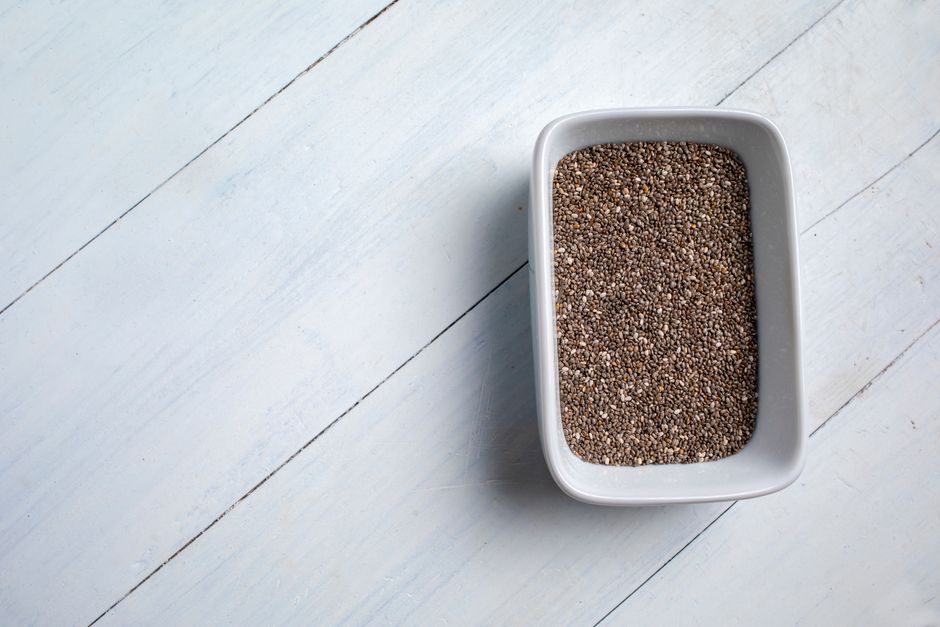
Chia seeds need about 15 to 20 minutes in liquid to form a soft gel, though they can soak longer if you prefer. For weight loss specifically, no soaking time has been shown to work better than another. The soaking matters for texture and digestion. The weight loss part depends on something else entirely: whether chia actually helps you eat less overall.
That distinction matters because a lot of chia content online implies the gel itself does something to fat. It doesn’t. What chia can do, under the right conditions, is add fiber and bulk to a meal in a way that some people find filling. Whether that translates into pounds lost is a different question, and the research on it is more modest than the marketing suggests.
How Long to Soak Chia Seeds for Weight Loss?
Fifteen to 20 minutes is enough for chia seeds to absorb liquid and form a gel, and this is the practical answer for most people. The seeds can absorb roughly several times their weight in water, which is why a spoonful stirred into a cup of liquid thickens within minutes.
Soaking longer does not make chia more effective for weight loss. A batch left in the fridge overnight will be thicker and easier to eat, but the fiber content and calorie count are the same. There is no evidence that a longer soak changes how the body processes the seeds in a way that affects weight.
What soaking does affect is how comfortable the seeds are to eat. Dry chia can swell in the esophagus if eaten quickly without enough liquid, which is a genuine choking risk. Soaked chia has already done its swelling in the bowl. That is the real reason to soak, and it is a good one.
If you want a firmer answer on timing:
- 15 minutes — soft gel, good for drinks and quick puddings
- 20 to 30 minutes — thicker, spoonable texture
- Overnight in the fridge — thickest set, convenient for breakfast
Any of these works. Pick based on texture, not on a belief that one is better for fat loss.
Does Soaking Chia Seeds Actually Help With Weight Loss?
The evidence that chia seeds cause weight loss is limited, and what exists is mixed. Some small studies have looked at chia and appetite, with results that do not point in one clear direction. Chia is not a weight loss treatment, and no clinical guideline lists it as one.
The logic people rely on is fiber. Chia is high in soluble fiber, and soluble fiber absorbs water and forms a gel in the gut. That gel can slow digestion and add volume, which some people experience as feeling fuller. This is a real physiological effect. It is also not the same as proven weight loss.
Here is the part that gets skipped. Feeling fuller at one meal does not automatically mean eating less across a day, and eating less across a day does not automatically mean losing weight over months. Appetite is complicated, and the body adjusts. A food that seems filling in a single sitting can be compensated for later without you noticing.
Some research does suggest that higher fiber intake overall is associated with better weight management. That is a broad finding about dietary patterns, not a specific endorsement of chia seeds. Chia is one way to add fiber. Beans, oats, vegetables, and fruit do the same job, often for less money.
What the Fiber in Chia Actually Does
Chia is genuinely a fiber-rich food, and that is its strongest credential. A one-ounce serving (about two tablespoons) delivers a meaningful dose of fiber along with plant-based protein and omega-3 fats. This is established nutritional data, not a claim in dispute.
Soluble fiber like the kind in chia draws water into the digestive tract and forms a gel. This can soften stool and support regularity, which is well established. It can also slow the rate at which the stomach empties, which is part of why some people feel fuller after eating it.
Fiber also feeds the gut bacteria that ferment it, producing short-chain fatty acids the body uses. This is normal digestive physiology and one reason fiber matters beyond weight.
What fiber does not do is burn fat or block calories. No food does that. If you see chia described as a fat-burner, that is marketing, not science.
How to Use Chia Seeds If Weight Loss Is Your Goal
Chia works best as a swap, not an addition. Adding a chia pudding on top of your normal diet adds calories. Using chia to replace a less filling snack, or to bulk up a meal so you eat less of something else, is where it can plausibly help.
A few practical approaches:
- Stir a spoonful into water or unsweetened tea and drink it before a meal. Some people find this blunts appetite. The evidence is anecdotal, not proven.
- Use soaked chia to thicken a smoothie or yogurt instead of adding sugar or cream.
- Make a chia pudding with unsweetened liquid and fruit rather than sweetened syrups, which can cancel out any calorie benefit.
- Treat it as one fiber source among several, not a daily ritual you rely on for results.
Watch the calories in what you mix it with. Chia itself is calorie-dense for its size. A pudding made with sweetened milk, honey, and dried fruit can easily land in dessert territory. The seeds are not the problem. The bowl around them often is.
Drink enough water when you eat chia, soaked or not. Fiber needs fluid to do its job, and too much fiber without enough liquid can cause bloating or constipation.
Are There Risks or Downsides to Chia Seeds?
Chia is generally well tolerated, but there are real cautions. Eating dry chia seeds by the spoonful without liquid can cause them to swell in the throat or esophagus, which is a choking hazard. Always soak them or eat them with plenty of fluid.
Because chia is high in fiber, starting with a large amount can cause gas, bloating, or cramping. Start small and increase gradually. This is standard advice for any high-fiber food.
Chia contains omega-3 fats and fiber that can affect how some medications are absorbed, and it can slow digestion in ways that matter for certain drugs. If you take medication regularly, particularly anything with narrow dosing windows, talk to your pharmacist or doctor before making chia a daily habit.
People with swallowing difficulties should be cautious with chia in any form. And anyone with a history of digestive conditions should check with a clinician before adding a concentrated fiber source.
The Bottom Line on Soaking and Weight Loss
Soak chia for 15 to 20 minutes, or overnight if you prefer a thicker set. That is the whole answer to the timing question. The soaking is about safety and texture, not fat loss.
On weight loss, be realistic. Chia is a fiber-rich food with real nutritional value. It may help some people feel fuller and eat a bit less. That is a modest, plausible benefit, not a guaranteed outcome, and the research does not show chia causing meaningful weight loss on its own.
If you are trying to lose weight, chia can be a useful tool in a broader approach. It is not the tool. No single food is. Anyone promising that a spoonful of soaked seeds will change your body is selling something the evidence does not support.
Frequently Asked Questions
How long should you soak chia seeds for weight loss?
About 15 to 20 minutes is enough to form a soft gel. Soaking longer does not make chia more effective for weight loss, only thicker.
Do soaked chia seeds help you lose weight?
The evidence is limited and mixed. Chia is high in fiber and may help some people feel fuller, but no research shows it causes meaningful weight loss on its own.
Can you eat chia seeds without soaking them?
You can, but eat them with plenty of liquid and never by the dry spoonful. Dry chia can swell in the throat and poses a choking risk.
How much chia should you eat a day for weight loss?
There is no established daily dose of chia for weight loss. A common serving is about two tablespoons, but no clinical guideline sets a weight loss amount.
