
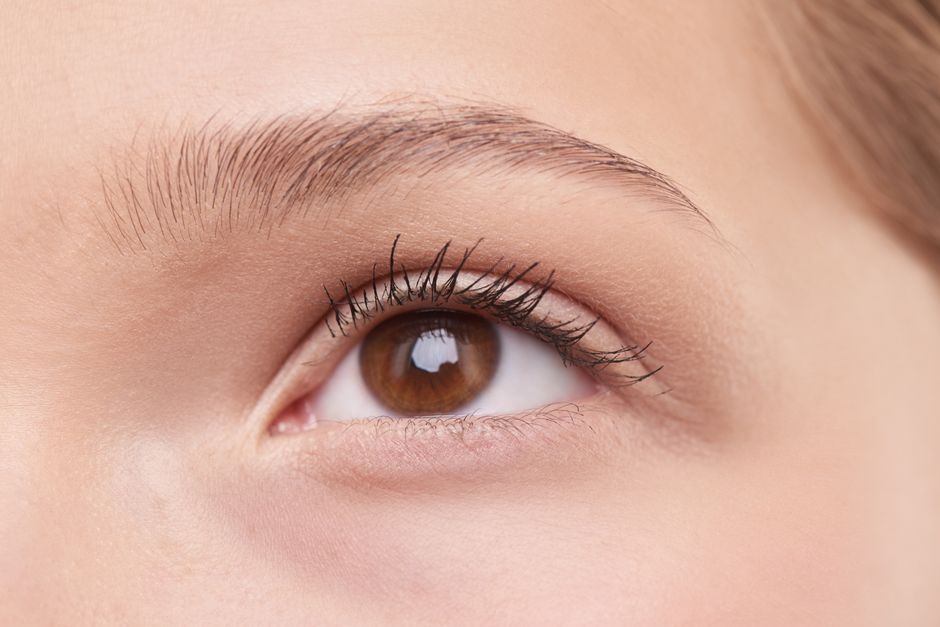
Eyebrows grow back in about six to eight weeks for most people who have not damaged the hair follicle itself. That timeline is not a guess; it comes from the biology of how eyebrow hair grows. Each brow hair cycles through growth, rest, and shedding phases, and the whole cycle is much shorter than the cycle for scalp hair. If you plucked or over-trimmed your brows, you are looking at weeks, not months. If the follicle was scarred or destroyed, regrowth may not happen at all. The rest of this guide explains why the timeline varies so much and what actually affects it.
How Long Does It Take for Eyebrows to Grow Back After Plucking?
Plucked eyebrow hairs usually return within six to eight weeks. That is the standard range, and it holds for most healthy adults.
When you pluck a hair, you pull the shaft out of the follicle. The follicle itself stays intact underneath the skin. It then begins building a new hair. Because eyebrow hairs grow slowly compared to scalp hair, that rebuilding takes time. A single brow hair grows only a fraction of a millimeter per day, so a full replacement hair takes several weeks to reach a visible length.
Several things shift where you land in that range:
- Age. Hair growth tends to slow with age. Older adults often wait longer than younger ones.
- Nutrition. Severe protein or iron deficiency can slow hair growth. Mild shortfalls usually do not make a noticeable difference.
- Hormones. Thyroid problems and other hormonal conditions can affect hair cycling.
- How often you pluck. Repeated plucking of the same spot over years can thin the follicle’s ability to produce hair.
One thing worth knowing: plucking does not speed up or slow down the underlying cycle in a simple way. It just removes the hair that was there. The new hair still has to go through its own growth phase from scratch.
How Long To Eyebrows Grow Back After Waxing or Threading?
Waxing and threading remove hair the same way plucking does, just in larger batches. The regrowth timeline is the same six to eight weeks.
These methods pull hair from the root, so the follicle has to rebuild the shaft. That is why results last weeks rather than days. Shaving, by contrast, cuts hair at the skin surface. It does not remove the root, so a shadow of stubble can appear within a day or two.
People sometimes notice that waxed or threaded brows seem to grow back thinner over time. There is a real reason for that. Repeated trauma to a follicle can, over many cycles, reduce its capacity to produce thick hair. This is not guaranteed, and it varies a lot from person to person. It is also the same mechanism behind why some people who over-plucked in the 1990s never fully regained their brow density.
Why Do Some Eyebrows Never Grow Back?
Eyebrows may not grow back if the hair follicle is permanently damaged or destroyed. This is the key distinction that separates a slow regrowth from no regrowth.
The follicle is a tiny organ embedded in the skin. If it is scarred, burned, or removed, it cannot produce a new hair. Common causes include:
- Scarring from injury, burns, or surgery. Scar tissue does not contain working follicles.
- Years of aggressive over-plucking. This can cause enough cumulative damage to stop hair production in some areas.
- Certain medical conditions. Alopecia areata, thyroid disorders, and some nutritional deficiencies can cause eyebrow hair loss. In these cases, regrowth depends on treating the underlying cause.
- Some medications and treatments. Chemotherapy, for example, causes temporary hair loss that usually reverses after treatment ends, but the timeline varies.
If your brows have been bare in a specific spot for many months with no sign of new growth, the follicle may no longer be functional there. That is different from a slow cycle.



What Affects How Fast Eyebrows Grow Back?
Growth speed depends mostly on your age, your overall health, and the condition of the follicle. There is no single trick that reliably speeds it up.
Age is the biggest factor. Hair growth rates generally decline as people get older. A 25-year-old and a 55-year-old can pluck the same brow and see very different regrowth timelines.
Overall health matters too. Conditions that affect hair anywhere on the body tend to affect brows as well. These include:
- Thyroid disorders, both underactive and overactive
- Iron deficiency
- Low protein intake
- Certain autoimmune conditions
What does not reliably speed up regrowth: most over-the-counter brow serums. Some contain ingredients that may support hair health in general, but no large human trials have confirmed that these products meaningfully accelerate eyebrow regrowth. The evidence here is limited. If you see a product claiming a specific number of days to fuller brows, treat that claim with caution.
What does help: leaving the area alone. Picking, rubbing, or repeatedly plucking the same spot keeps the follicle in a state of repeated injury. Patience is genuinely part of the process.
How Is Eyebrow Growth Different From Scalp Hair Growth?
Eyebrow hair grows on a much shorter cycle than scalp hair. That is the single biggest reason the two behave so differently.
Every hair on your body goes through three phases: a growth phase, a transition phase, and a resting phase before it sheds. Scalp hair stays in the growth phase for years, which is why it can grow very long. Eyebrow hair stays in the growth phase for only a few months. That is why brows have a natural length limit and why they cycle through regrowth faster than scalp hair.
This short cycle is also why plucked brows come back relatively quickly compared to, say, a plucked scalp hair. The whole system is built to turn over faster.
When Should You See a Doctor About Eyebrow Hair Loss?
See a doctor if you lose eyebrow hair without plucking, waxing, or other physical cause. Unexplained brow thinning can be a sign of an underlying medical issue.
Pay attention to these patterns:
- Loss on both sides at once, especially the outer third of the brow
- Loss that comes with fatigue, weight changes, or feeling cold or hot more than usual
- Patchy loss that also affects other hair on the body
- Loss that starts suddenly rather than gradually
These patterns can point to thyroid problems, nutritional deficiencies, or autoimmune conditions. A doctor can run blood tests to check. Treating the underlying cause is what allows the hair to return in many of these cases.
If the loss is purely from over-plucking or a known injury, a doctor visit is usually not needed unless you want to discuss options for restoring density.
What Are the Options If Eyebrows Do Not Grow Back on Their Own?
If the follicle is permanently damaged, regrowth may not be possible without intervention. Several options exist, but each has limits.
Some clinicians recommend topical treatments that are used for scalp hair loss. These are not specifically approved for eyebrow regrowth, and results vary. This is an area where common practice runs ahead of strong trial evidence.
Other options include:
- Microblading or tattooing. These create the look of hair without regrowing it. Results are temporary and require touch-ups.
- Eyebrow transplants. Hair follicles are moved from the scalp to the brow area. This is a surgical procedure with real costs and risks.
- Cosmetic pencils and powders. These are the simplest option and carry no medical risk.
None of these regrow your original hair. They replace the appearance of it. If your goal is actual regrowth, the follicle has to be intact for that to happen.
Frequently Asked Questions
How long does it take for eyebrows to grow back after plucking?
Most plucked eyebrow hairs grow back within six to eight weeks. This timeline assumes the hair follicle is not damaged.
Can eyebrows grow back if the follicle is damaged?
No, a damaged or destroyed follicle cannot produce new hair. If a spot has been bare for many months with no growth, the follicle may no longer be functional.
Do eyebrow serums actually speed up growth?
No large human trials have confirmed that over-the-counter brow serums meaningfully speed up eyebrow regrowth. The evidence for these products is limited.
Why are my eyebrows thinning without plucking?
Unexplained brow thinning can be a sign of thyroid problems, nutritional deficiencies, or autoimmune conditions. A doctor can run blood tests to identify the cause.
