
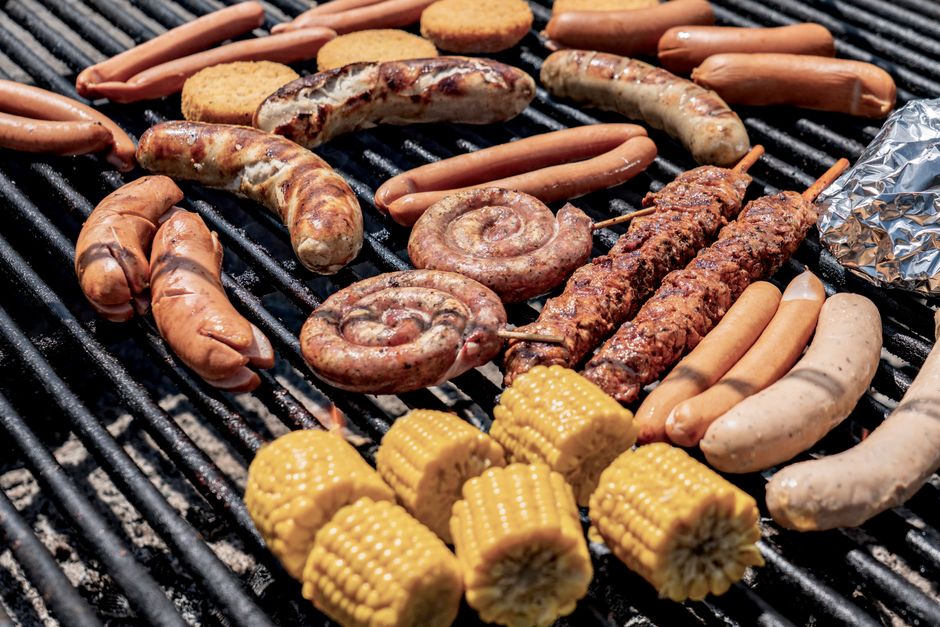
Sausage needs to reach a safe internal temperature of 160°F (71°C) for pork, beef, and most other meat sausages, and 165°F (74°C) for poultry sausages like chicken or turkey. At that temperature, most fresh sausages take about 10 to 15 minutes to cook through in a skillet over medium heat, or 20 to 30 minutes in a 400°F oven. The exact time depends on thickness, whether the sausage is raw or pre-cooked, and your cooking method. A meat thermometer is the only reliable way to know for sure.
How Long To Cook Sausage on the Stove?
Pan-frying is the most common way to cook fresh sausage at home, and it usually takes 10 to 15 minutes for links about 1 inch thick. The trick is moderate heat and patience. High heat browns the outside fast while the center stays raw.
Here is a method that works reliably:
- Heat a skillet over medium heat with a small amount of oil.
- Add the sausages and let them brown for 3 to 4 minutes per side.
- Add 2 to 3 tablespoons of water, cover the pan, and cook for 5 to 8 minutes. The steam helps the center cook through without burning the outside.
- Remove the lid, let the water cook off, and turn the sausages until they are browned all over.
- Check the internal temperature with a meat thermometer before serving.
Pricking sausages with a fork is a common habit, but it lets fat and juices escape and can make the sausage dry. It does not meaningfully speed up cooking. A thermometer tells you far more than a fork ever will.
Thin breakfast links cook faster, often in 8 to 10 minutes. Thick artisan links or bratwurst can take 15 to 20 minutes on the stove. Size matters more than most recipes admit.
How Long Does Sausage Take in the Oven?
Oven baking is the easiest hands-off method, and fresh sausage links typically take 20 to 30 minutes at 400°F. Arrange them on a rimmed baking sheet with a little space between each one so they brown evenly rather than steam.
Turn them once halfway through cooking. The exact time depends on thickness. A thin breakfast link may be done in 15 to 20 minutes, while a thick bratwurst can take closer to 30. Always confirm with a thermometer rather than relying on the clock.
If you are baking sausages alongside vegetables or potatoes, give the sausage its own space or a separate pan. Crowding traps moisture and produces pale, steamed sausage instead of browned sausage.
What Internal Temperature Should Sausage Reach?
The safe internal temperature is 160°F (71°C) for pork, beef, and other meat sausages, and 165°F (74°C) for any sausage containing poultry. These figures come from established food safety guidance and are not negotiable based on how the sausage looks.
Color is a poor indicator of doneness. Ground meat can brown before it is safe, and cured sausages can stay pink even when fully cooked. The pink color in many sausages comes from curing salts, not from being raw. This is one of the most common sources of confusion in home kitchens.
Insert the thermometer into the center of the sausage, avoiding the casing and any bone if present. For thin links, probe from the end. Check more than one sausage, since ovens and pans heat unevenly.
Does Cooking Time Change for Pre-Cooked Sausage?
Pre-cooked sausages like many hot dogs, kielbasa, and some smoked sausages are already safe to eat straight from the package. You are reheating them for flavor and texture, not for safety. That means the cooking time is much shorter, often 5 to 8 minutes in a pan or until heated through and browned to your liking.
Check the label. The words “fully cooked” or “ready to eat” mean the product has already been cooked. Raw fresh sausage will not carry that label. This distinction matters because people sometimes overcook pre-cooked sausage waiting for it to reach a temperature it does not need to hit.
That said, reheating pre-cooked sausage to 165°F (74°C) is a reasonable target if you want to be cautious, particularly for anyone pregnant, elderly, or immunocompromised. The evidence supports erring toward thorough reheating for these groups.
How Do You Know When Sausage Is Done Without a Thermometer?
A thermometer is the only reliable test. Without one, you are guessing, and guessing is how people end up with dry sausage or, worse, undercooked pork.
There are visual and tactile cues that can help, but none are as dependable as temperature:
- The sausage should feel firm when pressed, not soft or squishy in the center.
- Juices should run clear rather than pink when the sausage is pierced.
- The exterior should be browned and the casing slightly crisp.
These cues can mislead. A sausage can look browned outside and still be cold in the middle, especially thick links cooked on high heat. If you cook sausage regularly, an instant-read thermometer is one of the most useful tools in the kitchen. It costs little and removes the guesswork entirely.
Why Does Sausage Take Longer Than You Expect?
Sausage is dense. Ground meat packed into a casing holds heat differently than a flat burger patty or a chicken breast. The casing itself acts as a barrier, and the fat content slows heat transfer to the center. This is why a sausage that looks done on the outside can still be undercooked inside.
Fat renders as the sausage cooks, and that rendering takes time. Cooking too fast causes the casing to split and the fat to escape before the center is cooked. Moderate heat gives the inside time to catch up with the outside.
Thickness is the single biggest factor. A 1-inch link and a 2-inch link cooked side by side will finish at very different times, even in the same pan. When in doubt, cook longer at a lower temperature and check with a thermometer.
What About Boiling or Simmering Sausage First?
Simmering sausage in water or beer before browning is a traditional technique, especially for bratwurst. It helps the sausage cook evenly and stay juicy, and it is a legitimate method. Simmer for about 10 minutes, then finish on a hot grill or pan to brown the outside.
This approach is not required for safety, and it is not superior to other methods. It is simply one way to manage thick sausages that tend to burn outside before they cook through. Some cooks swear by it; others find it dilutes flavor. Both approaches can produce safe, well-cooked sausage.
If you do simmer first, still check the internal temperature after browning. Simmering alone may not bring the center to 160°F (71°C), depending on the thickness of the sausage and how long it simmered.
How Should You Store and Reheat Cooked Sausage?
Cooked sausage should go into the refrigerator within two hours of cooking. Store it in a sealed container and use it within three to four days. These are standard food safety guidelines for cooked meat.
Reheat cooked sausage to 165°F (74°C) before eating. Reheating in a skillet or microwave works, but microwaved sausage can turn rubbery. A quick sear in a pan restores texture better.
Do not reheat sausage more than once. Repeated heating and cooling cycles give bacteria more chances to multiply, and the quality suffers each time.
The Bottom Line
Cooking sausage well comes down to two things: moderate heat and a thermometer. Most fresh sausage takes 10 to 15 minutes on the stove or 20 to 30 minutes in a 400°F oven, but the only number that truly matters is the internal temperature. Pork, beef, and other meat sausages need to reach 160°F (71°C). Poultry sausages need 165°F (74°C).
Pre-cooked sausage is faster because you are only reheating it. Raw sausage demands patience and a temperature check. Skip the fork, skip the guesswork, and let a thermometer tell you when it is done.
Frequently Asked Questions
How long does it take to cook sausage on the stove?
Fresh sausage links about 1 inch thick typically take 10 to 15 minutes over medium heat. Thicker links can take up to 20 minutes, so always confirm with a meat thermometer.
What temperature should sausage be cooked to?
Meat sausages like pork and beef should reach 160°F (71°C), and poultry sausages should reach 165°F (74°C). These are established food safety targets for ground meat.
Can you cook sausage in the oven?
Yes, fresh sausage bakes well at 400°F for about 20 to 30 minutes, turning once. Cooking time depends on thickness, so check the internal temperature before serving.
How do you know when sausage is fully cooked?
The most reliable way is to check the internal temperature with a meat thermometer. Visual cues like browning and firmness can help, but they are not dependable on their own.
