
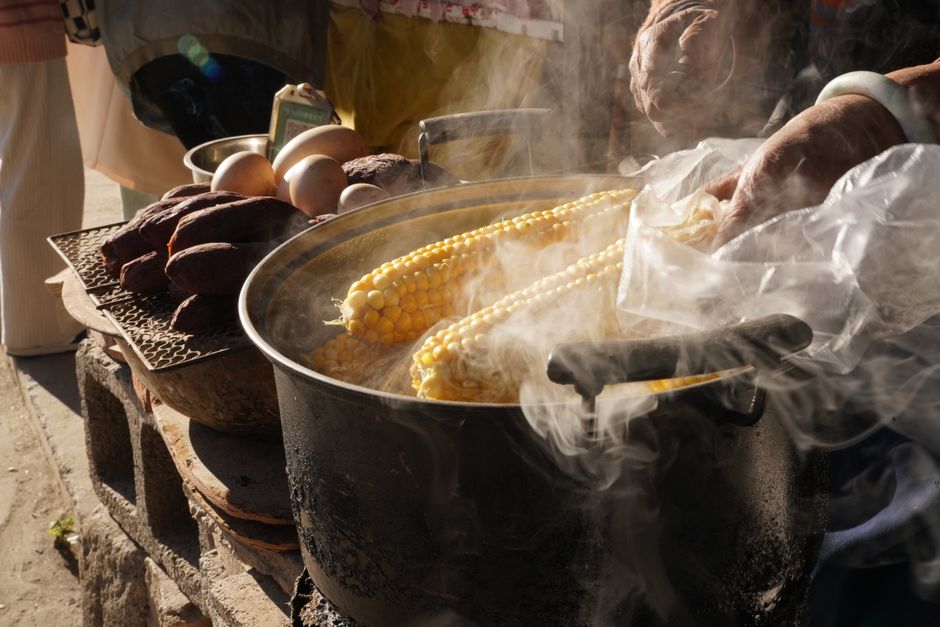
Boiling corn on the cob is one of the fastest ways to get it from the garden or grocery store to your plate. The sweet spot is 4 to 6 minutes for most fresh ears of corn. Drop the husked cobs into boiling water, cover the pot, and let them cook until the kernels are tender but still crisp.
That short window works for nearly all fresh corn. Frozen corn needs a little more time, usually 5 to 8 minutes. Overcooking is the most common mistake. Corn that sits in boiling water for 15 or 20 minutes turns mushy and loses its natural sweetness.
How Long To.Boil Corn? The Exact Timelines
Fresh corn on the cob cooks quickly because the kernels are mostly water and natural sugar. The heat softens the starch and makes the kernels tender without needing a long cooking time.
Here are the general boiling times for different types of corn:
- Fresh corn on the cob (husked): 4 to 6 minutes
- Fresh corn in the husk: 10 to 15 minutes
- Frozen corn on the cob: 5 to 8 minutes
- Frozen loose kernels: 2 to 3 minutes
These times assume the water is at a full rolling boil before the corn goes in. If you drop corn into cold water and bring it to a boil together, the cooking time changes and the kernels are more likely to overcook on the outside before the inside is done.
The 4 to 6 minute range works for standard sweet corn varieties. Some heirloom or starchy corn varieties may need an extra minute or two. The best test is to pull a kernel off with a fork and taste it. When it is tender but still has a slight snap, it is done.
Does Boiling Time Change With Freshness?
Yes, and this matters more than most people realize. Corn starts converting its sugar to starch the moment it is picked. That process is slow at first but speeds up at room temperature.
Corn that was picked that morning will taste noticeably sweeter than corn that sat on a truck for three days. The freshest corn needs the shortest boil. Older corn may benefit from the full 6 minutes, but no amount of boiling will bring back the sweetness that was lost to starch conversion.
This is why the best advice for great boiled corn starts before the pot even goes on the stove. Buy corn as fresh as you can find it. Keep it cold until you cook it. Boil it the same day you buy it whenever possible.
Some research suggests that adding sugar to the boiling water can enhance the sweetness of older corn. Salt, on the other hand, can toughen the kernels if added in large amounts. A small pinch of salt is fine, but save the heavy seasoning for after cooking.
What Is the Boiling Corn Method?
The boiling method itself is simple, but a few details separate good results from mediocre ones.
Start with a pot large enough that the corn is fully submerged. Fill it with water and bring it to a rolling boil. While the water heats, shuck the corn and remove all the silk. A clean kitchen brush works well for stubborn silk strands.
Once the water is boiling hard, add the corn. Cover the pot. The water will stop boiling briefly when the cold corn goes in. Wait for it to return to a full boil, then start your timer. The 4 to 6 minute countdown begins when the water is boiling again, not when the corn enters the pot.
When the time is up, remove the corn with tongs. Let it drain for a few seconds. Serve immediately with butter, salt, and any other toppings you like.
Some cooks add milk to the boiling water. This is a traditional trick that can add a subtle richness to the kernels. The evidence for a major flavor difference is anecdotal, but it is harmless and some people swear by it.




How To Boil Corn in the Husk
Boiling corn with the husk on is a different experience. The husk traps moisture and steams the kernels while they boil. This method takes longer but can produce very tender results.
Trim the silk ends off the corn but leave the husk intact. Soak the ears in cold water for 10 minutes. This prevents the husk from drying out and helps it steam evenly. Place the corn in boiling water and cook for 10 to 15 minutes.
The husk will protect the kernels from direct contact with the water. This means less water absorption and a slightly different texture. Some people prefer this method because the corn stays hotter longer after cooking.
Let the corn rest for a few minutes after boiling. The trapped steam continues cooking the kernels. Peel back the husk carefully — the steam inside is hot and can burn your fingers.
Does Boiling Destroy Corn Nutrients?
Boiling does cause some nutrient loss, but the picture is not as bad as many internet articles suggest. Water-soluble vitamins like vitamin C and several B vitamins can leach into the cooking water. The longer corn boils, the more of these vitamins are lost.
Research published in the Journal of Food Science and Technology found that boiling vegetables can reduce certain water-soluble vitamins compared to steaming. However, corn is not a primary source of vitamin C for most people. It is more valuable for its fiber, folate, and antioxidants like lutein and zeaxanthin.
Most of these nutrients survive boiling reasonably well. The fiber content is unchanged. The mineral content, including potassium and magnesium, stays largely intact. The antioxidants in corn are relatively heat-stable compared to those in some other vegetables.
If nutrient retention is your top priority, steaming is a slightly better method than boiling. But the difference is modest for corn specifically. A 4 to 6 minute boil does not destroy the nutritional value of corn in any meaningful way.
One point worth noting: the cooking water contains some of the leached nutrients. If you use that water for soup, rice, or another dish, you recover some of what was lost. Most people drain the water, and that is fine — the loss is small.
How To Boil Frozen Corn
Frozen corn is a convenient option that works well year-round. The freezing process blanches the corn first, which means it is already partially cooked before it reaches your freezer.
Frozen corn on the cob needs 5 to 8 minutes in boiling water. The extra time compared to fresh corn accounts for the fact that the cob is frozen solid. The kernels thaw and cook as the heat penetrates the frozen cob.
Frozen loose kernels cook much faster. They are small and already blanched, so 2 to 3 minutes in boiling water is enough. Many people simply add them to soups or stir-fries without boiling them separately at all.
Do not thaw frozen corn before boiling. Adding it directly to the boiling water gives the most consistent results. Thawed corn can become waterlogged and mushy.
One thing to check: the package label. Some frozen corn products are pre-seasoned or contain added sauces. These have different cooking instructions and may not need any additional salt or butter.
How To Tell When Boiled Corn Is Done
The most reliable test is the taste test. Pull a kernel from the middle of the cob with a fork and let it cool for a few seconds. Bite into it. It should be tender with a slight crunch. If it is still starchy and hard, it needs another minute. If it is soft and wrinkled, it is overcooked.
Visual cues can help too. Raw corn kernels look pale and opaque. Cooked kernels become brighter and slightly more translucent. The kernels should look plump and juicy, not shriveled.
Another sign is the cob itself. When corn is done, the cob feels hot all the way through. If you hold the ends of the cob and it feels warm rather than hot in the center, it needs more time.
Remember that corn continues cooking for a minute or two after you remove it from the boiling water. The residual heat in the kernels finishes the job. If the corn looks done at the 4 minute mark but you want it a bit softer, wait one minute before serving rather than putting it back in the pot.
Common Boiling Corn Mistakes
Overcooking is the biggest mistake by far. Corn does not need a long time to cook, and longer cooking never improves it. The sugars break down, the kernels become mushy, and the flavor flattens.
Adding salt to the water in large amounts is another common error. Salt can draw moisture out of the kernels and make them tough. Season the corn after cooking instead.
Boiling corn at a gentle simmer rather than a rolling boil is also a mistake. The lower temperature means longer cooking time and more nutrient loss. Keep the water at a full boil throughout.
Finally, do not boil corn that is past its prime and expect good results. Corn that is several days old will taste starchy no matter how you cook it. The best way to fix old corn is to not buy it in the first place.
Frequently Asked Questions
How long should I boil fresh corn on the cob?
Boil fresh husked corn for 4 to 6 minutes in a covered pot of rolling boiling water. Start the timer after the water returns to a full boil.
Should I add salt to the water when boiling corn?
A small amount of salt is fine, but heavy salting can toughen the kernels. It is better to season the corn with salt and butter after cooking.
Can I boil corn without shucking it?
Yes, boil corn in the husk for 10 to 15 minutes after soaking it in cold water for 10 minutes. The husk steams the kernels and keeps them hot longer.
How long does frozen corn on the cob take to boil?
Frozen corn on the cob takes 5 to 8 minutes in boiling water. Add it directly from the freezer without thawing for the best texture.
