
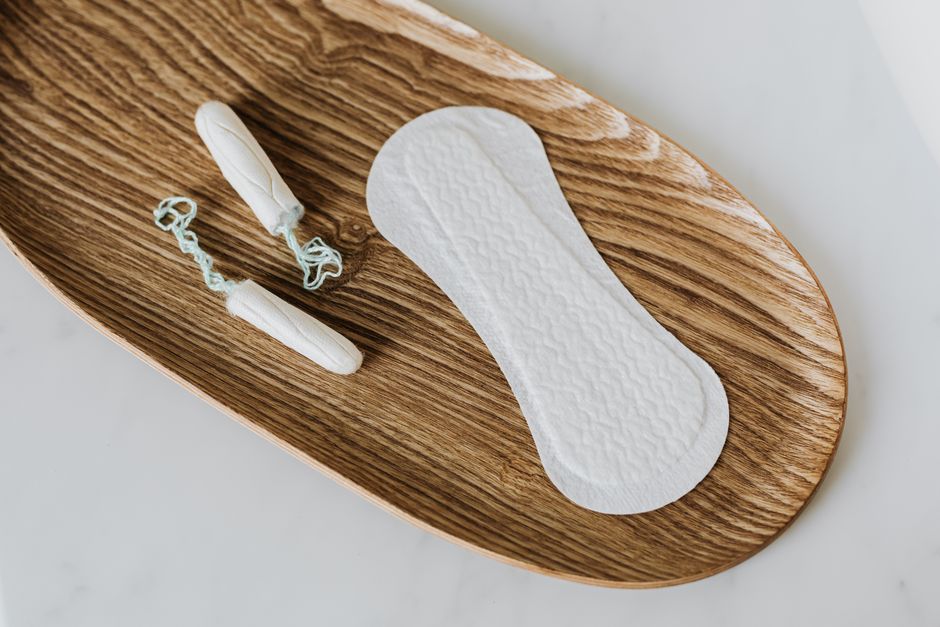
Most tampons should be changed every 4 to 8 hours. The U.S. Food and Drug Administration and tampon manufacturers set this as the safe window, and it matters more than most people realize. Leaving a tampon in longer than 8 hours raises the risk of a rare but serious bacterial infection called toxic shock syndrome (TSS).
That single number — 8 hours maximum — is the one to remember. Everything else in this article explains why, what happens if you go over, and how to build a routine that keeps you inside the safe window without constant clock-watching.
How Long Should You Keep Tampons In For?
Change your tampon every 4 to 8 hours during your period. If your flow is heavy, aim for the lower end — every 4 to 6 hours. On lighter days, you can stretch toward 8 hours, but not beyond.
The 8-hour ceiling is not a suggestion. It is the outer limit printed on tampon packaging and reinforced by FDA guidance. The agency specifically warns against using a single tampon for more than 8 hours and against wearing tampons on days when your flow is very light or between periods.
There is a practical reason the range exists. A tampon left in place collects menstrual fluid, blood, and bacteria. Blood is a growth medium. The longer it sits, the more opportunity bacteria have to multiply in an environment that is warm, moist, and oxygen-poor. That combination is exactly what certain strains of Staphylococcus aureus need to produce the toxin behind TSS.
Some people wake up needing a change sooner. If you sleep 8 hours and put a fresh tampon in right before bed, you are at the edge of the window when you wake. Many clinicians suggest using a pad or period underwear overnight instead, so you are not racing the clock while asleep.
What Happens If You Leave a Tampon In Too Long?
The main concern is toxic shock syndrome. TSS is rare, but it is a medical emergency, and prolonged tampon use is one of the best-documented risk factors.
TSS is caused by toxins produced by certain bacteria, most often Staphylococcus aureus. These bacteria can live on the skin and in the vagina without causing harm. Problems arise when they multiply rapidly and release toxins into the bloodstream. A tampon left in place for a long time can encourage that growth.
Symptoms usually appear suddenly and can include:
- High fever, often above 102°F
- Vomiting or diarrhea
- A sunburn-like rash, especially on the palms and soles
- Muscle aches
- Dizziness, confusion, or fainting
- Low blood pressure
If these symptoms appear during or shortly after your period, remove the tampon and get medical help right away. TSS can worsen quickly and affect the heart, kidneys, and liver. Early treatment matters.
Here is a detail worth knowing: the risk is not only about time. Tampon absorbency matters too. Higher-absorbency tampons have been linked to a greater risk of TSS, which is why the FDA standardized absorbency labeling in the 1980s. The lesson is simple — use the lowest absorbency that gets the job done for your flow.
Does Tampon Absorbency Affect How Often You Should Change It?
Yes, and this is one of the most overlooked parts of tampon safety. Absorbency and wear time work together. A super-plus tampon worn for 8 hours is not the same as a light tampon worn for 8 hours.
When you use a tampon that is more absorbent than your flow requires, it pulls moisture out of the vaginal lining. That can cause small abrasions, which may give bacteria an entry point. It also means the tampon sits there partly dry, which some researchers think contributes to toxin production.
The FDA requires tampons to carry standardized absorbency terms so you can match the product to your flow. The general categories, from least to most absorbent, are:
| Label | Absorbency (grams) |
|---|---|
| Junior / Light | 6 or less |
| Regular | 6 to 9 |
| Super | 9 to 12 |
| Super Plus | 12 to 15 |
| Ultra | 15 to 18 |
If you find yourself needing to change a super tampon every hour, that is a sign of very heavy bleeding, not a sign to reach for a bigger tampon. Heavy bleeding that soaks through a pad or tampon every hour for several hours in a row is worth a call to your doctor. It can be a sign of conditions like fibroids or a bleeding disorder.





Can You Sleep With a Tampon In?
You can, but you need to be careful about the timing. If you sleep 8 hours or less and insert a fresh tampon right before bed, you stay within the safe window. If you sleep longer than 8 hours, you do not.
This is where many people run into trouble without realizing it. A full night of sleep plus the time it takes to wake up, get ready, and remember to change the tampon can easily push past 8 hours.
Because of that, many clinicians recommend using a pad or period underwear overnight. It removes the timing problem entirely. You are not relying on waking up at the right moment or remembering to set an alarm.
If you do wear a tampon overnight, use the lowest absorbency that works for your flow, and change it as soon as you wake up. Do not sleep in and then linger.
How Do You Know When It Is Time to Change a Tampon?
Time is the reliable signal. Sensation is not. Some people feel a tampon needs changing; others feel nothing even when it has been in too long. Rely on the clock, not on how it feels.
Practical signs it is time:
- 4 to 8 hours have passed since you inserted it
- You can see leakage or spotting on your underwear
- The string is saturated with blood
- You feel discomfort or a pulling sensation, which can mean the tampon is full or positioned wrong
One point that surprises people: a tampon that feels dry or hard to remove is often a sign the absorbency is too high for your current flow. That is a signal to go down a size, not to leave it in longer.
Set a phone reminder if you tend to lose track, especially on busy days. It sounds overly simple, but it works.
What About Wearing Tampons Between Periods or on Light Days?
The FDA advises against it. Tampons are meant for menstrual flow, not for spotting, discharge, or the tail end of a period when flow is minimal.
On very light days, there may not be enough fluid for the tampon to absorb. That leaves it dry against the vaginal wall, which can cause irritation and microscopic tears. It also does not reduce TSS risk — if anything, the dry environment and any small abrasions may make things worse.
For light flow, spotting, or discharge, a panty liner or pad is the better fit. Save tampons for the days when you actually have enough flow to need one.
This is also why you should never use a tampon to absorb anything other than menstrual blood. Not for discharge, not for spotting between periods, and not as a substitute for a pad when you are not menstruating.
How to Build a Safe Tampon Routine
A few habits make the 4-to-8-hour rule easy to follow without thinking about it all day.
- Change on a schedule — every 4 to 6 hours on heavy days, up to 8 on lighter ones.
- Use the lowest absorbency that controls your flow.
- Switch to a pad or period underwear overnight if you sleep more than 8 hours.
- Alternate tampons with pads or period underwear when you can, which gives the vaginal tissue a break.
- Wash your hands before and after inserting or removing a tampon.
- Never leave a tampon in for more than 8 hours, no exceptions.
If you have ever had TSS, talk to your doctor before using tampons again. Recurrence is possible, and this is a conversation worth having with a clinician who knows your history. The same goes if you have had repeated vaginal infections or irritation linked to tampon use.
The bottom line is not complicated. Tampons are safe when used as directed. The 8-hour limit, the right absorbency, and a backup option overnight cover almost everything that matters.
Frequently Asked Questions
How long can you leave a tampon in?
No more than 8 hours, and 4 to 6 hours is better on heavy flow days. The FDA and tampon makers both set 8 hours as the outer limit.
Can you sleep with a tampon in?
Only if your sleep plus your morning routine stays under 8 hours. Many clinicians suggest a pad or period underwear overnight to avoid the timing problem.
What happens if you forget to take a tampon out?
A tampon left in too long raises the risk of toxic shock syndrome, a rare but serious infection. If you develop a sudden high fever, rash, vomiting, or dizziness, remove it and seek medical care right away.
Should you change your tampon every time you pee?
No, urine does not pass through the vagina, so peeing does not require a change. Change based on time and flow, not on every bathroom trip.
