
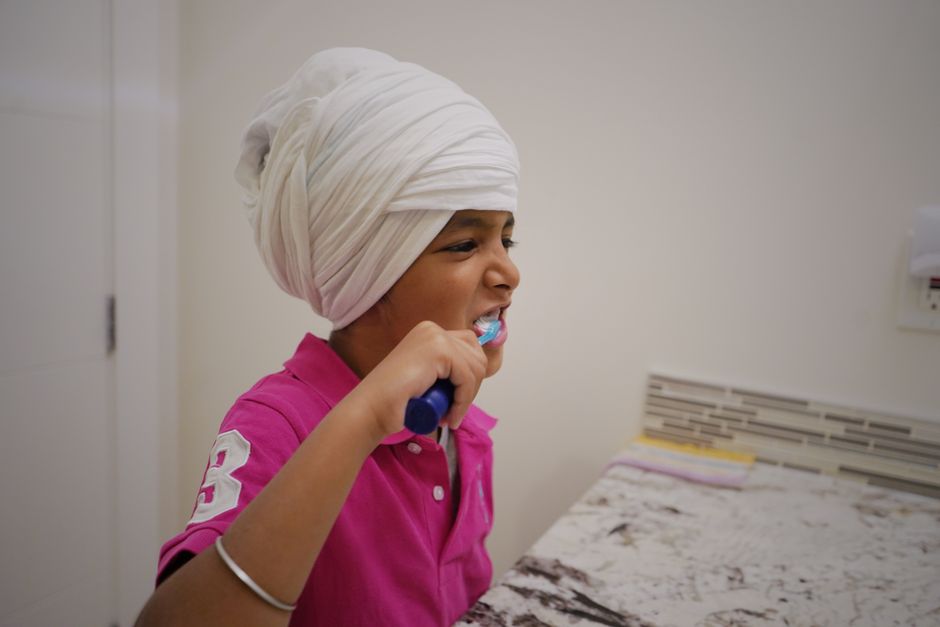
Two minutes. That is the brushing time most dental organizations recommend, and it applies to both electric and manual toothbrushes. The two-minute figure is not a marketing slogan — it reflects how long it takes to reach every surface of the teeth when you brush systematically. Most people brush for far less than that, often without realizing it.
Brushing is one of the few health habits you repeat every day, twice a day, for your entire life. Getting the duration and technique right matters more than most people think. This guide breaks down what the evidence supports, what it does not, and where common advice goes wrong.
How Long Should U Brush Your Teeth For?
The standard recommendation is two minutes, twice a day. This comes from major dental bodies, including the American Dental Association, and it is the figure most dentists use when coaching patients.
Why two minutes? Because plaque — the sticky film of bacteria that forms on teeth — begins to accumulate within hours of brushing. It is soft and easy to remove at first. Left alone, it hardens into tartar, which cannot be brushed away and requires professional removal. Two minutes gives you enough time to systematically cover all tooth surfaces: the outer faces, the inner faces, the chewing surfaces, and the gumline.
Most people overestimate how long they brush. Studies that track actual brushing time consistently find that the average person brushes for well under a minute — often around 45 seconds. That is roughly half the recommended time. The gap between what people think they do and what they actually do is one of the most reliable findings in dental behavior research.
Does Brushing Time Really Matter?
Yes, and the evidence is fairly consistent. Brushing duration is directly linked to how much plaque you remove. Shorter brushing sessions leave more plaque behind.
Plaque that stays on teeth fuels two processes. First, the bacteria in plaque produce acids when they meet sugar, and those acids dissolve tooth enamel, which leads to cavities over time. Second, plaque near the gumline irritates the gums, causing gingivitis — redness, swelling, and bleeding when you brush. Gingivitis is reversible with good brushing and flossing. If it progresses to periodontitis, the damage to the bone and tissue supporting the teeth is not reversible.
Two minutes is the point at which most people can adequately clean all surfaces. It is not a magic threshold where benefits suddenly appear. Brushing for 90 seconds is better than 45. Brushing for two minutes is better than 90. The relationship is gradual, and the two-minute figure is a practical target that most people can reach with a little attention.
One clarification worth making: brushing longer than two minutes does not add much. Brushing too hard or too long, especially with a stiff-bristled brush, can wear down enamel and irritate gums. More is not better past a point. Two minutes of thorough, gentle brushing is the goal.
Does an Electric Toothbrush Change the Timeline?
No. The two-minute recommendation applies to both manual and electric toothbrushes. What changes is how easy it is to hit that target.
Many electric toothbrushes have built-in timers that signal every 30 seconds and stop at two minutes. That feature alone can help, because it removes the guesswork. Some also have pressure sensors that warn you if you are pressing too hard. For people who consistently under-brush, a timer can be a practical fix.
Whether electric brushes clean better than manual ones is a separate question. Some reviews suggest electric brushes — particularly oscillating-rotating models — may reduce plaque and gingivitis slightly more than manual brushing. The difference is modest, and a manual brush used well for two minutes is far better than an electric brush used poorly for 30 seconds. Technique and duration matter more than the tool.




What Does a Two-Minute Brushing Routine Look Like?
A good routine divides the mouth into four sections and gives each one about 30 seconds. That is the logic behind the quadrant timers on many electric brushes.
- Upper right: outer surfaces, inner surfaces, chewing surfaces — about 30 seconds
- Upper left: same sequence — about 30 seconds
- Lower right: same sequence — about 30 seconds
- Lower left: same sequence — about 30 seconds
Angle the bristles toward the gumline at roughly 45 degrees and use short, gentle strokes. Do not scrub back and forth with force. The goal is to sweep plaque away from the gumline, not to scrub the teeth clean.
Do not forget the inner surfaces of the front teeth, which are easy to skip. Tilt the brush vertically and use the front bristles to clean them. And brush your tongue or use a tongue scraper — it helps remove bacteria that contribute to bad breath.
Use a soft-bristled brush. Medium and hard bristles are more likely to damage enamel and irritate gums, and the evidence does not support them as more effective. Replace your brush, or the brush head on an electric model, every three to four months, or sooner if the bristles look frayed.
When Should You Brush — Morning or Night?
Both. The standard advice is twice a day, and the nighttime brush is arguably the more important one.
Overnight, saliva flow drops. Saliva helps neutralize acids and wash away food particles, so less saliva means bacteria have an easier time. Brushing before bed removes the day’s plaque and food debris before that low-saliva window. Brushing in the morning freshens your mouth and removes plaque that built up overnight.
Timing around meals matters too. Brushing immediately after eating acidic foods or drinks — citrus, soda, wine — can wear enamel while it is temporarily softened by acid. Waiting about 30 minutes gives saliva time to neutralize the acid and the enamel time to re-harden. If you need to freshen up sooner, rinse with water or chew sugar-free gum.
What About Flossing and Mouthwash?
Brushing does not clean between the teeth. Toothbrush bristles cannot reach the tight spaces where food and plaque collect, and those spaces are where cavities and gum disease often start.
Cleaning between teeth once a day is the standard recommendation. Floss is the most familiar option, but interdental brushes and water flossers are alternatives. The evidence on which method is best is mixed, and the best choice is generally the one you will actually use consistently. Some dentists recommend flossing before brushing rather than after, though the evidence on sequence is not strong — the important thing is that it happens daily.
Mouthwash is optional for most people. It can help with bad breath and may add fluoride, but it is not a substitute for brushing and flossing. Some rinses contain alcohol and can dry out the mouth with heavy use. If you use mouthwash, choose one with fluoride and avoid using it immediately after brushing if your toothpaste is fluoride-based — rinsing right away can wash away the fluoride that protects enamel.
Common Brushing Mistakes That Undo the Two Minutes
Brushing for two minutes does not help much if the technique works against you. A few habits are worth fixing.
Brushing too hard is the most common. It wears enamel at the gumline and can cause gums to recede. Pressure should be light — the bristles should splay slightly against the teeth, not flatten.
Rinsing with water right after brushing washes away the fluoride in toothpaste. Spit out the excess foam instead of rinsing. This is a small change that most people have never been told.
Brushing in the same pattern every time can cause you to miss the same spots repeatedly. Vary the order, or use a quadrant timer, to make sure every section gets attention.
Using a worn-out brush is another quiet problem. Frayed bristles do not clean effectively, and a brush that has been in use for many months may harbor bacteria. Replace it on schedule.
The Bottom Line on Brushing Time
Two minutes, twice a day, with a soft-bristled brush and gentle technique. That is the core of it. The two-minute figure is well established and applies to manual and electric brushes alike.
Most people brush for less time than they think. If you suspect you are in that group, a timer — on your phone or built into an electric brush — is a simple way to close the gap. The habit is worth getting right, because it is one you will repeat thousands of times over your life.
Frequently Asked Questions
How long should you brush your teeth for?
Two minutes, twice a day. This recommendation applies to both manual and electric toothbrushes.
Is brushing for 30 seconds enough?
No. Thirty seconds is far below the recommended two minutes and leaves significant plaque behind. Most people who brush briefly are unaware they are under-brushing.
Should you brush your teeth before or after breakfast?
Either works, but if you eat acidic foods, wait about 30 minutes before brushing. Acid temporarily softens enamel, and brushing right away can wear it down.
Does brushing longer than two minutes help?
Not meaningfully, and brushing too long or too hard can wear enamel and irritate gums. Two minutes of thorough, gentle brushing is the target.
