
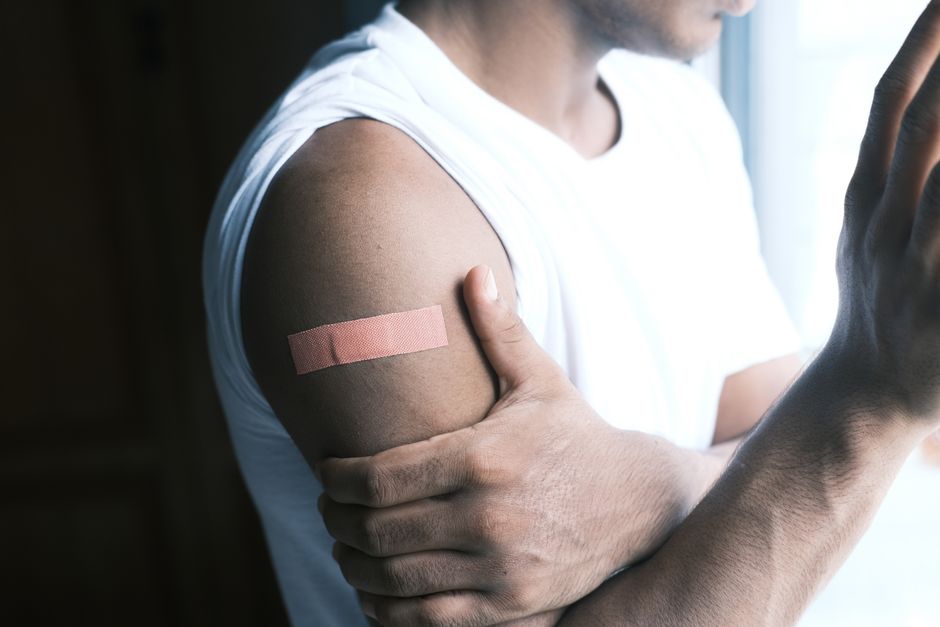
Most minor cuts heal best when kept covered for the first 24 to 48 hours. After that, the wound needs air and a clean, dry environment. Leaving a bandage on too long can trap moisture and bacteria, which slows healing and increases infection risk.
How Long Should I Keep A Bandaid On A Cut?
For a standard minor cut or scrape, keep the bandage on for at least 24 hours. Change it daily, or sooner if it gets wet or dirty. After two days, most small wounds can stay uncovered.
The main goal of a bandage is to keep the wound clean and moist during the first critical days of healing. A scab forms quickly, but the skin underneath is still fragile. Once a firm scab has formed, the bandage has done its job.
What Happens If You Leave A Bandaid On Too Long?
Leaving a bandage on for several days without changing it creates a warm, damp environment. Bacteria thrive in these conditions. This can lead to infection or a condition called maceration, where the skin becomes soft, white, and wrinkled from excess moisture.
Maceration breaks down healthy skin around the wound. It makes the area more painful and slows the healing process. The adhesive on the bandage can also irritate skin, especially if left in place for extended periods.
If a bandage stays on for a week or more, the wound may actually reopen when you finally remove it. The new skin underneath is delicate and sticks to the adhesive. This is why daily changes are important, even if the bandage looks clean.
How Often Should You Change The Bandage?
Change the bandage at least once every 24 hours. If the bandage becomes wet, visibly dirty, or soaked through with blood, change it immediately. A wet bandage is no longer sterile and can introduce bacteria into the wound.
Some wounds, like deeper cuts or those in high-friction areas, may need more frequent changes. Wounds on hands, feet, or joints often need a fresh bandage twice a day because movement and sweat break down the adhesive and shift the dressing.
When you change the bandage, wash your hands first. Clean the wound gently with soap and water. Pat it dry with a clean towel. Apply a thin layer of antibiotic ointment or petroleum jelly if you choose, then apply a fresh bandage.





When Should You Stop Covering The Wound?
Stop covering the wound when a firm scab has formed and there is no drainage. This usually happens around day two or three for minor cuts. At this point, the wound is sealed and no longer needs protection from external dirt.
Some wounds benefit from staying covered longer. Cuts on areas that rub against clothing, like knuckles or elbows, may need a bandage for several more days. The bandage protects the scab from cracking and reopening.
If the wound is still oozing or weeping fluid after several days, keep it covered. Drainage means the wound has not fully sealed. Exposing an open wound to air dries it out and can actually slow the healing process.
Does A Cut Heal Faster Covered Or Uncovered?
Research consistently shows that wounds heal faster in a moist environment than when left open to air. A covered wound keeps moisture in, which supports cell growth and reduces scab formation. A large, hard scab actually slows healing because new skin cells have to work around it.
However, this does not mean you should keep a wound covered indefinitely. The benefit of moisture applies mainly to the first day or two. After that, most minor wounds do fine uncovered, as long as they stay clean.
For larger wounds, deeper cuts, or surgical incisions, medical guidance may differ. Some clinicians recommend keeping these covered for longer periods. Follow the specific instructions you received from your healthcare provider for those situations.
Signs Of Infection You Should Not Ignore
Watch for signs of infection even with proper bandage care. Redness spreading beyond the wound edge, increasing pain, warmth, or swelling are early warning signs. Yellow or green discharge, or a foul odor from the wound, also indicates infection.
A fever with a wound is a serious sign. If you develop a fever along with any of these symptoms, seek medical attention. Infections can spread quickly and become serious if not treated.
Redness around a wound is normal for the first few days as part of the healing process. The key difference is that normal redness stays close to the wound and gradually fades. Infection-related redness spreads outward and gets worse over time.
Special Cases: Stitches, Deep Cuts, And High-Risk Wounds
Stitches or surgical wounds follow different rules. These are typically kept covered for 24 to 48 hours, then kept clean and dry. Your surgeon or doctor will give you specific instructions about when to remove the dressing and how to care for the site.
Deep cuts that required medical closure should not be left uncovered early on. The risk of infection is higher, and the wound needs more time to seal. Follow your healthcare provider’s advice about when it is safe to leave the wound exposed.
Wounds from animal bites, rusty metal, or dirty objects carry a higher infection risk. These may need professional medical evaluation regardless of how minor they look. Tetanus boosters are recommended every 10 years, but if you have a deep or dirty wound and your last booster was more than five years ago, you may need a new one.
Practical Tips For Bandage Care
- Choose the right size bandage. It should extend beyond the wound edges by at least half an inch.
- Use waterproof bandages for areas that get wet, but change them immediately after bathing or swimming.
- If the adhesive irritates your skin, switch to a paper tape or a bandage made for sensitive skin.
- Do not peel off a bandage quickly. Pull it slowly in the direction of hair growth to minimize skin damage.
- If the bandage sticks to the wound, soak it in warm water for a few minutes before removal.
Antibiotic ointments are helpful but not required for every cut. Clean water and soap are sufficient for most minor wounds. Petroleum jelly can provide the same moisture barrier as antibiotic ointment without the risk of allergic reactions or antibiotic resistance.
Frequently Asked Questions
Can I sleep with a bandaid on a cut?
Yes, keep the bandage on overnight. It protects the wound from friction against bedding and keeps it clean while you sleep.
Should I let a cut breathe at night?
No, leaving a cut uncovered at night offers no healing benefit. The wound is better protected with a bandage, especially from accidental rubbing during sleep.
How do I know when to take the bandaid off?
Remove the bandage when a firm scab has formed and the wound is no longer draining. This typically takes two to three days for minor cuts.
Can a bandaid cause infection if left on too long?
Yes, a bandage left on for several days traps moisture and bacteria, which increases infection risk. Change it daily to avoid this.
