
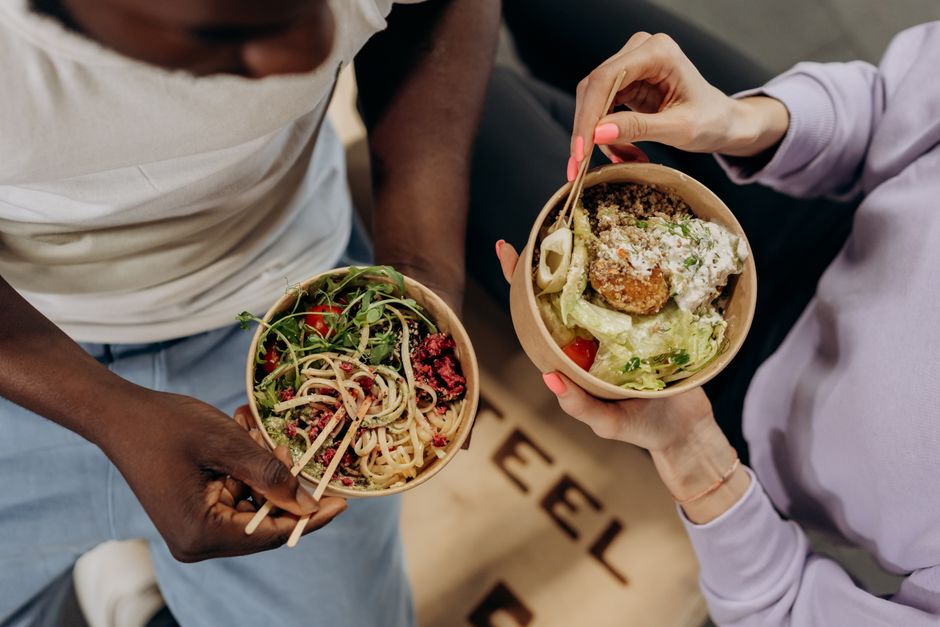
Pasta salad is a staple at picnics, potlucks, and weeknight dinners. But unlike a fresh green salad, it does not stay at its best for long. The general rule is that pasta salad is safe to eat for 3 to 5 days when stored properly in the refrigerator. However, the exact timeline depends on the ingredients, how quickly it was chilled, and whether it was left out at room temperature.
How Long Is Pasta Salad Good For in the Fridge?
Refrigerated pasta salad lasts 3 to 5 days. This timeline applies to both homemade and store-bought versions, provided they are kept at 40°F or below.
The 3-to-5-day window is based on USDA food safety guidelines for cooked pasta and perishable ingredients. After day five, the risk of bacterial growth increases even if the salad looks and smells fine. When in doubt, throw it out.
Label your container with the date you made or opened the pasta salad. This small habit removes the guesswork later in the week.
How Long Can Pasta Salad Sit Out at Room Temperature?
Pasta salad should not sit out for more than 2 hours. If the temperature is above 90°F, that window drops to just 1 hour.
This is the single most important rule for food safety. Bacteria multiply rapidly between 40°F and 140°F, a range known as the danger zone. Pasta salad left on a picnic table for an afternoon can harbor enough bacteria to cause food poisoning, even if it looks untouched.
If you are serving pasta salad at an outdoor event, keep the bowl nestled in ice. Return it to the refrigerator as soon as everyone has eaten. After 2 hours at room temperature, do not save the leftovers.
Does the Dressing Affect How Long Pasta Salad Lasts?
Yes, the dressing matters. Oil-based vinaigrettes are more forgiving than creamy dressings, but neither changes the fundamental 3-to-5-day limit.
Mayonnaise-based salads are the most perishable. Commercial mayonnaise contains pasteurized eggs and acid, which slows bacterial growth, but the other ingredients in the salad — like chicken, eggs, or dairy — are still perishable. Homemade mayonnaise made with raw eggs carries additional risk and should be treated with extra caution.
An oil-and-vinegar dressing does not preserve the salad. The vinegar creates a more acidic environment that slows some bacteria, but it does not stop them. Cooked pasta itself is a low-acid food, which means it is a favorable environment for bacterial growth.



How Do Ingredients Change the Shelf Life?
The ingredients you add to pasta salad determine how quickly it spoils. A simple salad with just pasta, olive oil, and vegetables will last closer to 5 days. A salad with chicken, seafood, eggs, or dairy will spoil faster.
Seafood pasta salad is the most high-risk version. Tuna, shrimp, or crab salads should be eaten within 3 days, not 5. If you are unsure whether a seafood pasta salad is still good, err on the side of caution and discard it.
Fresh herbs and vegetables can turn soggy or develop off-flavors before the salad becomes unsafe. Texture changes are not a food safety issue, but they are a sign the salad is past its prime.
Dairy ingredients like cheese or yogurt-based dressings can sour independently. If you notice a sour smell, a slimy texture, or visible mold, discard the entire salad immediately.
Can You Freeze Pasta Salad to Make It Last Longer?
Freezing pasta salad is possible, but the texture will change significantly. It is not recommended for salads with creamy dressings, fresh vegetables, or cheese.
Mayonnaise separates when frozen and thawed, leaving a watery, curdled mess. Fresh vegetables like tomatoes, cucumbers, and bell peppers become mushy because their cell walls rupture during freezing. The pasta itself will survive the freeze, but it will be softer and more prone to breaking apart.
If you must freeze pasta salad, do it without the dressing. Freeze plain cooked pasta in an airtight container for up to 2 months. Thaw it in the refrigerator overnight, then toss it with fresh dressing and add your vegetables after thawing. This approach preserves texture far better than freezing the finished salad.
How Can You Tell If Pasta Salad Has Gone Bad?
Your senses are your first line of defense. Spoiled pasta salad usually gives clear warning signs.
Smell is the most reliable indicator. A sour, rancid, or fermented odor means bacteria have taken over. Fresh pasta salad smells like its ingredients — garlic, herbs, vinegar, or lemon. Any sharp change in smell is a red flag.
Look for visible signs of spoilage. Mold can appear as fuzzy spots in any color — white, green, black, or pink. A slimy film on the pasta or vegetables is another clear warning. If the dressing has separated into watery layers and the salad looks dull or discolored, it is past its best.
Texture changes matter too. Pasta that has become excessively mushy or sticky is deteriorating. Fresh vegetables that have turned limp or translucent are breaking down.
One important note: spoiled food does not always smell bad. Pathogenic bacteria that cause food poisoning do not necessarily produce noticeable odors. If the salad has been in the fridge longer than 5 days, discard it regardless of how it looks or smells.
What Is the Best Way to Store Pasta Salad?
Proper storage starts with cooling. Never put a large container of warm pasta salad directly into the refrigerator. This raises the temperature of the entire fridge and keeps the salad in the danger zone for too long.
Divide the salad into shallow, wide containers. This increases the surface area and helps it cool faster. You can also place the container in an ice bath for 20 to 30 minutes before refrigerating.
Use airtight containers or cover bowls tightly with plastic wrap. Exposure to air dries out the pasta and allows the salad to absorb other odors from your refrigerator.
Store pasta salad on a refrigerator shelf, not in the door. The door experiences temperature fluctuations every time it opens. A shelf maintains a more consistent temperature.
How Long Does Store-Bought Pasta Salad Last?
Store-bought pasta salad from a deli or grocery store follows the same 3-to-5-day rule, but with an important difference. You do not know exactly when it was made.
Deli pasta salad is often prepared on-site the same day, but it may have been sitting in a refrigerated case for hours before you bought it. To be safe, assume the day you purchase it counts as day one. Eat deli pasta salad within 3 days to account for the unknown time before purchase.
Check the sell-by or use-by date on the package. If the date has passed, do not buy it. If the package has no date, ask the deli staff when it was prepared.
Pre-packaged pasta salad from a grocery store shelf is different. These products are pasteurized or treated to extend shelf life and may have a longer expiration date. Follow the printed date on those packages, but refrigerate them immediately after opening and consume within 3 to 5 days.
Is It Safe to Eat Pasta Salad Cold the Next Day?
Yes, cold pasta salad is safe to eat the next day if it was refrigerated within 2 hours of being made or served. In fact, many pasta salads taste better the next day because the ingredients have had time to absorb the dressing.
The key is that the salad must have been chilled continuously. If it sat out overnight or was left on the counter while you cleaned up after dinner, it is not safe to eat the next day.
When you take leftover pasta salad out of the fridge, do not leave it on the counter for more than 2 hours. Serve what you need and return the rest to the refrigerator immediately.
Frequently Asked Questions
Can I eat pasta salad after 5 days?
No, discard pasta salad after 5 days in the refrigerator. The risk of bacterial growth increases significantly beyond this point, even if the salad looks and smells fine.
How long is pasta salad good for with mayonnaise?
Mayonnaise-based pasta salad lasts 3 to 5 days in the refrigerator. The mayonnaise itself is not the main concern — the other perishable ingredients like chicken, eggs, or dairy spoil faster.
Can I leave pasta salad out overnight?
No, pasta salad left out overnight is not safe to eat. Throw it away, because bacteria multiply rapidly at room temperature and cannot be seen, smelled, or tasted.
Does pasta salad go bad faster with vegetables?
Vegetables do not make pasta salad unsafe faster, but they do affect texture. Fresh vegetables become soggy and limp before the salad becomes a food safety risk.
