
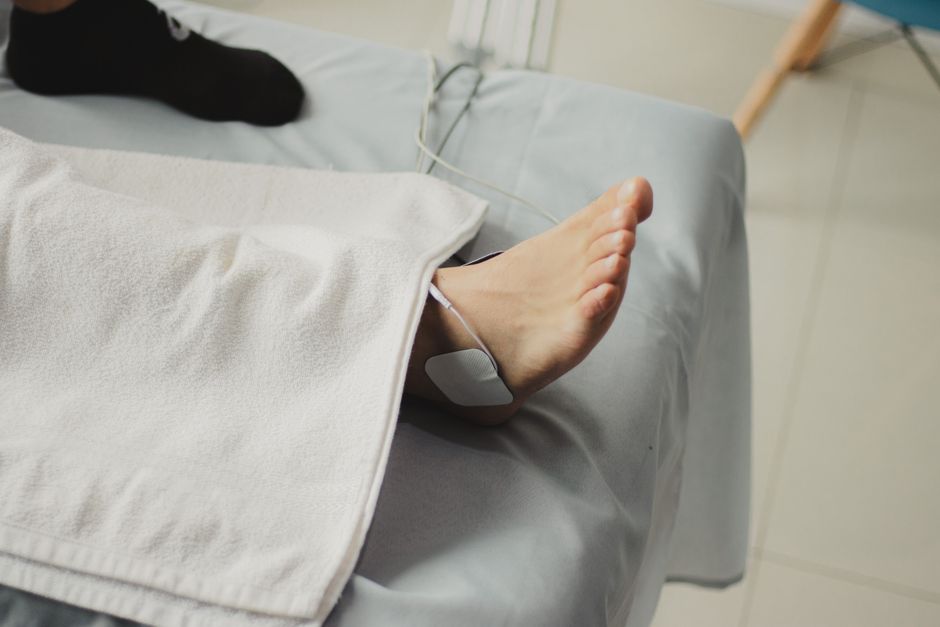
ORIF of the tibia is surgery to fix a broken shinbone with plates, screws, or rods. The recovery timeline is not short. Most people are not cleared for full weight-bearing until roughly 10 to 12 weeks after surgery, and a full return to demanding activity often takes 6 to 12 months. The exact timeline depends on the type of fracture, where in the bone it broke, and how well the bone heals.
What Does ORIF of the Tibia Actually Involve?
ORIF stands for open reduction and internal fixation. “Open reduction” means the surgeon opens the area and puts the broken bone pieces back into their proper position. “Internal fixation” means those pieces are held in place with hardware — metal plates, screws, rods, or a combination — that stays inside your body.
The tibia is the large weight-bearing bone in the lower leg. It breaks in different ways. A simple crack in the middle of the shaft is very different from a break that shatters into many pieces or one that enters the knee or ankle joint. That distinction matters more than almost anything else for recovery time.
Surgeons choose hardware based on the fracture pattern. A rod placed down the center of the bone is common for mid-shaft breaks. Plates and screws along the surface are common for breaks near the knee or ankle. Some fractures are treated with an external frame outside the leg instead, if the soft tissue around the bone is too damaged for surgery right away.
The bone itself is not the only thing healing. The soft tissues — muscle, skin, and the lining around the bone — take their own time to recover from both the injury and the surgery.
How Long Is ORIF of Tibia Recovery? Week-by-Week Timeline
Recovery moves through predictable phases, though the pace varies from person to person. Here is the general shape of it.
Weeks 0 to 2
This is the acute phase. Expect swelling, pain, and a leg that needs to stay elevated much of the day. Many people leave the hospital within a few days, but some stay longer. You will likely be in a splint, cast, or brace, and you will not put weight on the leg. Pain is usually managed with medication, and the first follow-up visit often happens around this time to check the wound and take X-rays.
Weeks 2 to 6
Swelling starts to settle. Stitches or staples typically come out within the first couple of weeks. Whether you can begin putting any weight on the leg depends entirely on the fracture and the surgeon’s instructions. Some people are told to remain non-weight-bearing. Others may be allowed to touch the foot down lightly. This is not a phase to push.
Weeks 6 to 12
X-rays begin to show callus — new bone forming at the break. If healing looks good, your surgeon may allow progressive weight-bearing, often starting in a boot. Physical therapy usually becomes more active here. Full weight-bearing is often reached somewhere in this window, but it is common for it to take longer.
Months 3 to 6
Many people are walking without a boot by this point, though a limp and stiffness are common. Strength and balance are still rebuilding. Returning to running, jumping, or contact sports is usually not yet advised.
Months 6 to 12
This is when most people who heal without complications return to higher-demand activities. Some get there sooner. Some take longer. A minority need a second procedure if the bone does not heal.
One point worth stating plainly: the timeline your surgeon gives you is a best estimate, not a schedule. Bone healing is biology, and it does not read a calendar.
What Affects How Fast You Heal?
Several factors reliably change how long recovery takes.
- Fracture type and location. A clean break in the middle of the shaft generally heals more predictably than a break that shatters or one that enters a joint. Breaks near the knee or ankle can be more complex because they involve the joint surface.
- Open versus closed fracture. An open fracture — where the bone breaks through the skin — carries a higher risk of infection and usually a longer, more complicated recovery.
- Soft tissue damage. Significant muscle or skin injury slows everything down.
- Smoking. This is one of the strongest and most consistent factors linked to delayed bone healing and higher rates of the bone failing to unite.
- Diabetes and other conditions. Poorly controlled diabetes and some other medical conditions are associated with slower healing.
- Age and overall health. Healing tends to be faster in younger, otherwise healthy people, though this varies widely.
- Following weight-bearing instructions. Putting weight on the leg too early can cause the hardware to fail or the bone to shift.
Nutrition matters too, though the evidence here is more about avoiding deficiency than about any special protocol. Adequate protein, calcium, and vitamin D support normal bone healing. No supplement has been shown to speed up fracture healing in people who are not deficient.



What Happens During Physical Therapy?
Physical therapy is not optional if you want a good outcome. The bone may heal on its own, but the muscles around it will not regain strength without work.
Early therapy focuses on keeping the joints above and below the fracture from stiffening, and on controlling swelling. As weight-bearing is allowed, therapy shifts toward gait training, balance, and progressive strengthening. Later stages add more demanding movement and sport-specific work if that is your goal.
Expect therapy to continue for several months. The length varies with your goals and how you progress. A person returning to a desk job has a different endpoint than a person returning to soccer.
When Can You Return to Work, Driving, and Sports?
Return timelines vary widely, so treat any general figure as a rough guide rather than a rule.
- Desk work: Some people return within a few weeks if they can keep the leg elevated and manage pain. Others need longer.
- Manual or standing work: Usually requires full weight-bearing and reasonable strength, which often means several months.
- Driving: Typically requires that you can bear weight, control the pedals without pain, and are no longer on pain medication that affects alertness. Your surgeon and often your state’s rules apply here.
- Running and high-impact sport: Commonly 6 to 12 months, sometimes longer, and only after the bone is fully healed on X-ray and strength has returned.
These are general patterns, not guarantees. Your surgeon’s assessment of your specific fracture is what counts.
What Are the Risks and Complications?
ORIF of the tibia is a well-established procedure, but complications happen. Knowing them helps you recognize problems early.
- Infection. Risk is higher with open fractures and with certain surgical approaches. Signs include increasing redness, warmth, swelling, drainage, or fever.
- Nonunion. The bone fails to heal. This can require another surgery, sometimes with bone graft.
- Malunion. The bone heals but in a slightly wrong position, which can affect how you walk.
- Hardware problems. Plates or screws can loosen, break, or irritate soft tissue. Some people eventually have hardware removed, but not everyone needs this.
- Nerve or blood vessel injury. Uncommon but possible, given the anatomy of the lower leg.
- Stiffness and muscle loss. Very common, and the main reason physical therapy matters.
- Blood clots. A risk after any major leg surgery. Your care team may use medication or compression to reduce this risk.
Call your surgeon promptly for signs of infection, a sudden increase in pain, numbness or tingling, or a leg that feels unusually tight or cold.
Does the Hardware Stay In Forever?
For most people, yes. The plates, screws, or rods are usually left in place permanently if they are not causing problems. Removing hardware means another surgery, so it is generally only done when there is a clear reason — irritation, infection, or a problem with the implant itself.
Some people can feel the plate under the skin, especially near the ankle. That alone is not usually a reason to remove it.
Frequently Asked Questions
How long until I can walk after ORIF of the tibia?
Most people reach full weight-bearing somewhere between 10 and 12 weeks after surgery, though this varies with the fracture. Your surgeon will guide the pace based on X-ray healing.
How long does it take to fully recover from tibia ORIF?
Full recovery, including return to demanding activity, commonly takes 6 to 12 months. Some people recover faster and some slower, depending on the fracture and their health.
Can I put weight on my leg right after tibia surgery?
Usually no. Most people are told to keep weight off the leg for a period after surgery, but the exact instructions depend on your fracture and hardware. Always follow your surgeon’s specific guidance.
Will the plate and screws in my leg need to be removed?
In most cases the hardware stays in permanently if it is not causing problems. Removal requires another surgery and is typically done only when there is a clear reason.
