
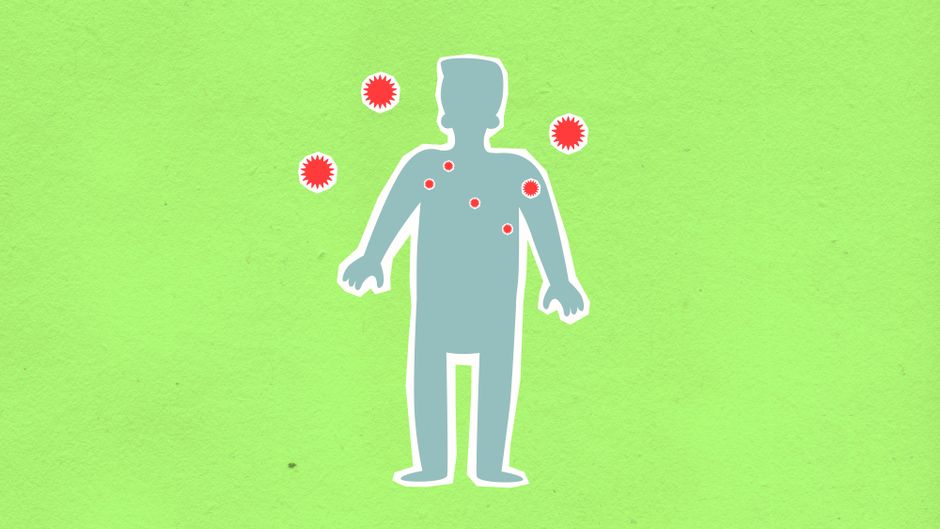
MRSA is contagious for as long as the bacteria are present — and that means different things depending on whether a person has an active infection or is colonized. An active MRSA infection is generally considered contagious while symptoms are present and the wound or infected area is draining, and it can remain contagious until the infection clears with treatment. Colonization can last for weeks, months, or longer, and a colonized person can pass the bacteria to others even though they are not sick.
The distinction matters because colonization is far more common than infection. Many people carry Staphylococcus aureus — including MRSA — on their skin or in their nose without any illness at all. Understanding the difference helps you make sense of why some people spread MRSA without knowing it, and why a positive swab does not always mean someone is sick.
What Is the Difference Between MRSA Infection and MRSA Colonization?
Colonization means the bacteria are living on or in your body without causing harm. Infection means they have invaded tissue and your body is responding with signs of illness.
In colonization, MRSA sits on the skin, inside the nostrils, or in the throat. The person has no fever, no pus, no pain, and no symptoms. The immune system and the bacteria coexist. This is the normal state for many carriers.
In infection, MRSA has broken through the skin or another barrier. The bacteria multiply in tissue and the body fights back. That produces the classic signs: redness, warmth, swelling, pain, and often pus. Fever and feeling unwell can follow, especially if the infection spreads deeper.
One clarification worth holding onto: a positive MRSA test does not tell you which state a person is in. The test detects the bacteria. Only the presence or absence of symptoms and clinical signs tells you whether it is an infection. A person can test positive for MRSA and be perfectly well.
How Long Is MRSA Contagious During an Active Infection?
An active MRSA infection is considered contagious as long as the bacteria are present and draining from the affected area. In practical terms, that usually means until the infection has been treated and the wound is no longer producing pus or fluid.
For a simple skin infection, a healthcare provider will typically prescribe antibiotics or drain an abscess. Contagiousness generally drops as the infection responds and drainage stops. There is no single fixed number of days that applies to everyone, because it depends on the site, the severity, and how well the infection responds to treatment.
Deeper infections — in a joint, the bloodstream, or a surgical site — involve longer treatment and longer periods of concern. These are managed in a clinical setting, and the treating team determines when a person is no longer considered a transmission risk.
What matters for everyday life is the drainage. MRSA spreads mainly through direct contact with infected skin or with objects that have touched it. A covered, healing wound that is not leaking is far less of a risk than an open, weeping one.
How Long Does MRSA Colonization Last?
Colonization can persist for a long time. Some people carry MRSA for weeks or months, and a smaller number carry it for years or indefinitely.
Research on Staphylococcus aureus carriage has long recognized that people fall into rough patterns. Some are persistent carriers, some are intermittent carriers who test positive and then negative and then positive again, and some rarely carry it at all. MRSA follows similar patterns, though it is a specific resistant strain rather than the general species.
This is why a single negative swab does not reliably prove someone is clear. Because carriage can come and go, clinicians sometimes repeat testing before declaring a person free of the bacteria. The evidence supports that carriage is often long-lasting, but it does not support a precise expiration date for any one person.
There is no clinical guideline that assigns a fixed contagious period to colonization. A colonized person can potentially transmit MRSA to others for as long as the bacteria remain on their body, even with no symptoms at all.





How Does MRSA Actually Spread?
MRSA spreads mainly through direct skin-to-skin contact and through contact with contaminated objects. It does not travel through the air in ordinary circumstances.
The most common routes include:
- Touching an infected wound or drainage, then touching your own skin or another person
- Sharing towels, razors, or athletic equipment that has contacted infected skin
- Hands of healthcare workers moving between patients when hand hygiene is incomplete
- Contact with contaminated surfaces in settings where skin contact is common, such as locker rooms
This is why healthcare settings focus so heavily on hand hygiene and why sports teams and gyms are sometimes flagged in outbreaks. The bacteria need a route from one person’s skin to another’s. Hands and shared items are the usual bridges.
Colonized people can transmit MRSA without ever knowing they carry it. That is not a reason to panic. It is a reason to wash hands well, keep wounds covered, and avoid sharing personal items.
When Is a Person with MRSA No Longer Contagious?
There is no simple all-clear signal that applies to everyone. For an active infection, contagiousness is generally considered to end when the infection has cleared and the wound is no longer draining. For colonization, the bacteria may persist far longer, and clearance is confirmed by testing rather than by how a person feels.
In hospitals, clinicians sometimes attempt to clear MRSA carriage using a structured approach — often nasal ointment plus special bathing and cleaning routines. This is called decolonization. It is used in specific situations, such as before certain surgeries or to control spread in a facility. Success is not guaranteed, and the bacteria can return.
Some clinicians recommend decolonization for people with recurring MRSA skin infections. The evidence for reducing repeat infections in household settings is mixed, and results vary. This is a decision to make with a healthcare provider who knows your history, not something to self-manage.
Can You Spread MRSA Without Symptoms?
Yes. A colonized person can spread MRSA to others while feeling completely well and showing no signs of infection.
This is the part that surprises people most. The bacteria do not need to cause illness in the carrier to move to someone else. They simply need contact. A colonized person who touches their nose and then shakes hands, or who shares a towel, can pass the bacteria along.
Most people who acquire MRSA this way also become colonized and never get sick. A minority develop an infection, often after the bacteria find a break in the skin — a cut, scrape, or irritation. That is why keeping skin intact and clean is a practical, evidence-based habit rather than a vague suggestion.
What Should You Do If You or Someone in Your Home Has MRSA?
Keep wounds covered and clean, wash hands often with soap and water, and avoid sharing towels, razors, and clothing until an infection has cleared. These are the standard, well-supported steps for reducing spread at home.
If you have an active infection, follow the treatment plan your provider gives you. Finishing prescribed antibiotics as directed matters, both for your own recovery and for limiting the chance the bacteria persist or spread.
For household members, watch for new redness, swelling, or sores, especially around cuts. Seek medical care if a wound becomes painful, hot, or starts draining, or if fever develops. Early treatment of skin infections is generally easier than treating a deeper infection.
If you are colonized and have no symptoms, you do not need to isolate or avoid normal life. Good hygiene and covered skin are the practical measures. Ask your provider whether decolonization or testing makes sense for your specific situation, particularly before surgery or if infections keep coming back.
Frequently Asked Questions
How long is MRSA contagious on surfaces?
MRSA can survive on some surfaces for days to weeks, depending on the material and conditions, which is why cleaning shared items matters. Regular cleaning of high-touch surfaces and not sharing personal items reduces the risk.
Can MRSA colonization turn into an infection later?
It can. A colonized person may develop an infection if the bacteria enter through a break in the skin, though most carriers never become ill.
How do doctors tell if MRSA is an infection or colonization?
They look for signs of illness — redness, swelling, pain, pus, or fever — alongside test results. A positive test alone shows the bacteria are present but does not prove an infection.
Do you need treatment for MRSA colonization?
Not always. Many colonized people need no treatment, though decolonization may be considered in specific situations such as before certain surgeries or with recurring infections.
