
A PPD skin test is generally considered valid for a limited window, and that window matters if you need the result for work, school, or medical clearance. The test itself is read 48 to 72 hours after placement. After that reading, the documented result usually stays usable for about one year in most clinical and occupational settings. Some employers and programs accept it for a shorter period, and some require a new test every year.
That one-year figure is not a hard biological rule. It reflects how long a negative result is typically trusted before the risk of a new infection makes it outdated. The reading window and the validity window are two different things, and mixing them up causes a lot of confusion.
What Is a PPD Skin Test and How Does It Work?
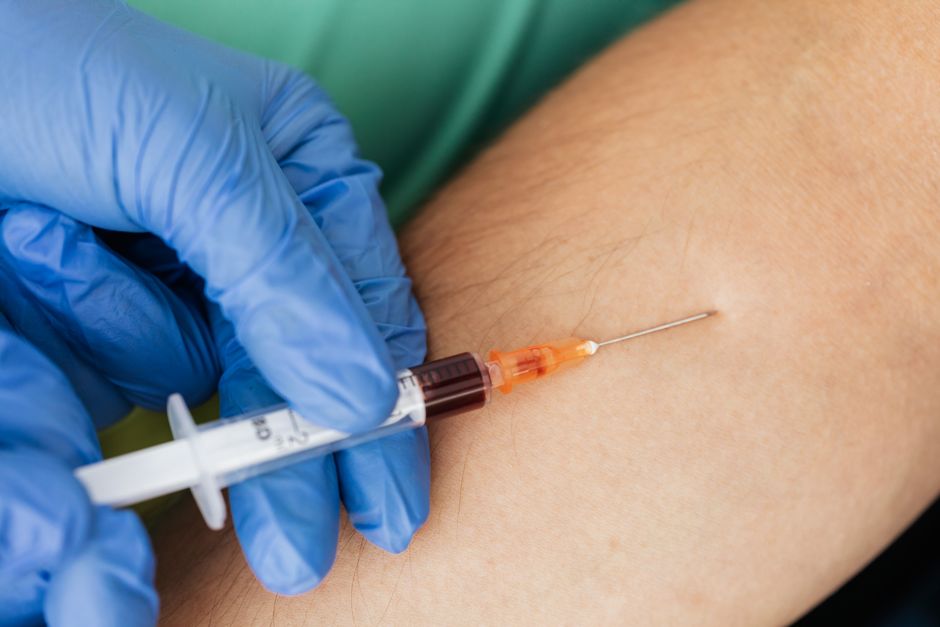
The PPD skin test, also called the tuberculin skin test or Mantoux test, checks whether your immune system reacts to proteins from the bacterium that causes tuberculosis. A small amount of purified protein derivative is injected just under the skin, usually on the inner forearm.
If you have been exposed to TB bacteria, your immune cells recognize those proteins and trigger a localized reaction. That reaction shows up as a raised, hardened area called induration. A health care worker measures the size of that hardening in millimeters, not the redness around it.
The measurement is what counts. Redness alone does not indicate a positive result. Only the firm, raised area is measured. This distinction is one reason the test must be read by trained personnel rather than self-assessed at home.
The test does not tell you whether you have active TB disease. It tells you whether your immune system has been sensitized to TB proteins, which can happen from infection, from prior vaccination with BCG in some cases, or from exposure to certain other mycobacteria.
How Long Is a PPD Skin Test Good For?
A documented PPD result is commonly accepted for about 12 months. That is the standard used by many occupational health programs, hospitals, and schools that require TB screening.
The reasoning is straightforward. A negative result means you were not sensitized at the time of the test. It says nothing about your exposure after that point. Over time, the chance that you encountered TB somewhere increases, so the result becomes less useful as a snapshot of your current status.
Some settings shorten that window. Certain hospitals and long-term care facilities require annual retesting, which lines up with the 12-month figure. Others may accept a result for a shorter period if you work in a high-risk environment. A few programs accept a documented negative result for longer, but this is less common.
There is no single national rule that applies to everyone. The acceptable timeframe depends on who is asking for the result and why. If you need the test for a specific purpose, the organization requesting it sets the validity period.
Why the 48-to-72-Hour Reading Window Is Different
The 48-to-72-hour window is about reading the test, not about how long the result stays valid. These are two separate timelines and they are often confused.
The reaction to the injected proteins takes time to develop. Reading too early can miss a reaction that has not fully formed. Reading too late can miss a reaction that has already begun to fade. That is why the standard reading window is 48 to 72 hours after placement.
If the test is not read within that window, the result may be unreliable and often needs to be repeated. A reading done at, say, 96 hours may not reflect the true reaction size.
Once the test is properly read and documented, the clock on the validity period starts. A result read at 72 hours and recorded correctly is then usable for however long the requesting organization accepts it, commonly up to a year.
What Makes a PPD Result Positive or Negative?
The cutoff for a positive result is not one number for everyone. It depends on your risk factors, and this is where the test gets more nuanced than most people expect.
The size of the induration is measured in millimeters and compared against thresholds that vary by risk group. People at higher risk for TB, such as those with certain medical conditions or known exposure, may be classified as positive at a smaller induration size. People at lower risk generally need a larger reaction to be considered positive.
This is why the same measurement can mean different things for different people. A health care worker interpreting your result applies the threshold that matches your situation, not a universal cutoff.
A positive result does not automatically mean you have active TB. It usually means you have been infected with TB bacteria at some point. Many people with a positive test have what is called latent TB infection, which is not contagious and does not cause symptoms. A smaller fraction go on to develop active TB disease, which does cause symptoms and can be spread to others.
When You Might Need a New Test Sooner
A previously negative result can become outdated faster than a year if your exposure risk changes. The one-year figure assumes a stable situation. It does not account for new exposures.
Situations that can prompt retesting sooner include:
- Known contact with someone who has active TB
- Travel or residence in a region where TB is common
- New employment in a high-risk setting such as a hospital or shelter
- Development of symptoms that could suggest TB, such as a persistent cough, fever, night sweats, or unexplained weight loss
- A change in immune status, such as starting a medication that suppresses the immune system
In these cases, the timing is driven by the exposure or the symptom, not by the calendar. A negative test from six months ago does not rule out an infection you picked up last week.
PPD Test vs. Blood Test for TB
There is more than one way to screen for TB, and the choice between them affects how long a result stays useful and how it is interpreted.
| Feature | PPD Skin Test | TB Blood Test |
|---|---|---|
| How it is done | Injection under the skin, read in person | Blood draw, processed in a lab |
| Reading window | 48 to 72 hours | No reading window; lab handles it |
| Repeat visits | Two visits required | One visit |
| Effect of prior BCG vaccination | Can cause false positives | Generally not affected by BCG |
| Typical validity of a negative result | About 12 months | About 12 months |
The blood test, sometimes called an interferon-gamma release assay, avoids the two-visit problem and is not thrown off by prior BCG vaccination. That makes it a common choice in people who have received BCG. Both tests have a similar general validity period for a negative result, but the interpretation and logistics differ.
Neither test can tell you whether an infection is latent or active on its own. If either test is positive, further evaluation is needed to determine whether you have active TB disease or latent infection.
What Happens If Your Test Is Positive?
A positive result is not a diagnosis of active TB by itself. It triggers additional steps to figure out what is going on.
The next steps usually include a symptom review, a chest X-ray, and sometimes a sputum test to look for the bacteria directly. These help distinguish latent infection from active disease.
If active TB is ruled out and latent infection is confirmed, a clinician may discuss treatment to prevent it from progressing to active disease later. Whether to treat latent infection depends on individual factors, and the decision is made with a clinician who can weigh the risks and benefits for your situation.
This is not a decision to make on your own. The medications used for latent TB have real side effects, and monitoring is part of the process.
Common Misunderstandings About PPD Validity
A few recurring myths cause unnecessary confusion about how long a PPD test lasts.
One is that a negative test protects you for life. It does not. It reflects your status at one point in time. New exposure after that point can change your status.
Another is that the 48-to-72-hour reading window is the same as the validity period. It is not. The reading window is about when the test must be checked. The validity period is about how long the recorded result is accepted.
A third is that a positive test always means you are contagious. It usually does not. Latent TB infection is not contagious. Only active TB disease in the lungs or throat can spread to others.
One clarification worth knowing: a prior BCG vaccination can cause a false positive on the PPD skin test, but it does not cause a false positive on the blood test. This is a genuine difference between the two methods and a common reason the blood test is preferred in people who have had BCG.
Frequently Asked Questions
How long is a PPD skin test good for?
A documented PPD result is commonly accepted for about 12 months in most clinical and occupational settings. The exact period depends on the organization requesting it, and some require retesting sooner.
Can I get a PPD test read after 72 hours?
No, the standard reading window is 48 to 72 hours after placement. A reading outside that window may be unreliable and often requires the test to be repeated.
Does a negative PPD test mean I can never get TB?
No, a negative result only reflects your status at the time of the test. New exposure after that point can change your status, which is why retesting is sometimes needed.
Does a positive PPD test mean I have active TB?
No, a positive result usually means you have been infected with TB bacteria at some point, often as latent infection. Further testing is needed to rule out active TB disease.
