
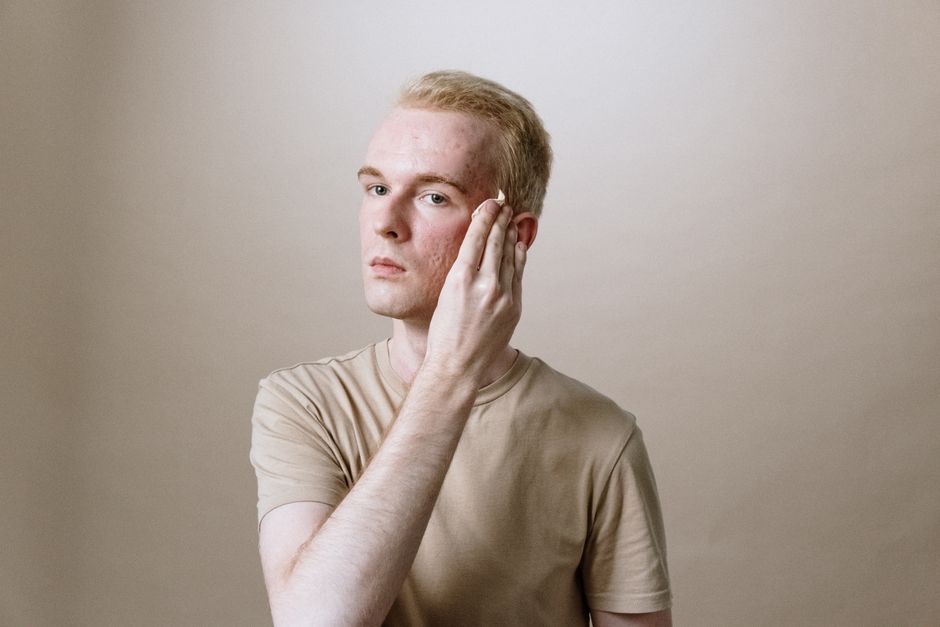
Spironolactone is not a fast fix for acne. Most people who take it for hormonal acne start to see the first signs of improvement somewhere around three months, with more noticeable clearing typically showing up between three and six months of consistent use.
That timeline surprises people, especially anyone used to topical treatments that can calm a pimple in a few days. Spironolactone works differently. It changes how your body handles certain hormones, and hormone-driven processes move slowly. If you stop too early, you may never see what the medication can actually do.
The short answer: expect weeks of waiting, months of gradual change, and a realistic window of three to six months before you can fairly judge whether it is working for you.
How Long Does Spironolactone Take to Work for Acne?
Spironolactone takes time because it does not attack pimples directly. It reduces the hormonal signals that drive oil production and clogged pores in the first place.
Because those signals shift slowly, the visible result lags behind the biological change. Many dermatologists tell patients to give it at least three months before expecting real improvement, and some suggest waiting closer to six months before deciding whether it is the right treatment. The exact pace varies from person to person, and no reliable way exists to predict who responds fastest.
What most people notice first is not clearer skin but less oiliness. That can show up within the first month or two. Fewer new breakouts tend to follow, and existing inflammation fades after that. The order matters: less oil first, fewer new pimples second, clearer skin last.
Why Does Spironolactone Take So Long to Work?
Spironolactone is an anti-androgen. Androgens are hormones, including testosterone, that influence how much oil your sebaceous glands produce. In some people, these hormones drive glands into overdrive, which leads to oily skin and blocked pores.
Spironolactone blocks androgen receptors and also reduces androgen production. That means the oil glands get a weaker hormonal signal over time. But oil glands do not reset overnight. They respond to the changing signal gradually, which is why the medication needs weeks to months to show its full effect.
This is also why spironolactone tends to help hormonal acne patterns more than other types. Acne along the jawline, chin, and lower face, often flaring around the menstrual cycle, is the pattern most associated with androgen activity. If your acne follows that pattern, spironolactone is more likely to be a good fit. If it does not, the medication may do little.
What Does the Timeline Actually Look Like Month by Month?
The pace is gradual and uneven. Some months feel better than others, and it is common to have a flare even while the medication is working.
- First month: Usually little visible change. Some people notice less oiliness. Side effects, if any, often appear here.
- Two to three months: Early signs of fewer new breakouts may appear. This is often when people get impatient and quit too soon.
- Three to six months: This is the realistic window for meaningful clearing. Many dermatologists use this period to judge whether the medication is helping.
- Six months and beyond: Continued improvement is possible, and some people keep improving past the six-month mark.
One point worth stating plainly: the timeline above reflects general clinical experience, not a guaranteed schedule. Individual response varies widely, and some people see little benefit at all.
What Dose Is Used, and Does It Change the Timeline?
Spironolactone for acne is typically started at a low dose and increased gradually. A common starting range is 25 to 50 mg per day, with many people eventually taking 50 to 100 mg per day. Some clinicians go higher, up to 200 mg daily, but higher doses do not always mean faster results.
A higher dose may work somewhat faster for some people, but it also raises the chance of side effects. This is why many clinicians prefer to start low and adjust based on how you respond and how well you tolerate it. There is no single correct dose, and the right one is a decision made with your prescriber.
Do not adjust your dose on your own. Spironolactone affects fluid balance and potassium levels, and dose changes should be guided by a clinician who knows your history.
What Are the Common Side Effects and Safety Considerations?
Spironolactone is generally well tolerated, but it is not without effects. Because it changes fluid and electrolyte balance and blocks androgens, several side effects are common.
- Increased urination, especially early on
- Dizziness or lightheadedness, particularly when standing up quickly
- Breast tenderness or changes in breast size
- Irregular menstrual periods
- Fatigue or headache in some people
Spironolactone can raise potassium levels, which matters most for people with kidney problems or those taking other medications that affect potassium. Blood tests are often done before starting and sometimes during treatment. This is not a medication to start without medical supervision.
Spironolactone is not safe during pregnancy. It can interfere with normal hormone development and is not used in people who are pregnant or trying to conceive. Because of this, it is generally prescribed alongside reliable contraception for people who could become pregnant. If you are pregnant, breastfeeding, or planning a pregnancy, this medication is not an option, and you should discuss alternatives with your clinician.
How Does Spironolactone Compare to Other Acne Treatments?
Spironolactone is usually not the first treatment tried for acne. It is most often considered when other options have not worked or when the acne pattern strongly suggests a hormonal cause.
| Treatment | Typical time to first results | Best suited for |
|---|---|---|
| Topical retinoids | Several weeks to a few months | Mild to moderate acne, all patterns |
| Oral antibiotics | Weeks | Inflammatory acne, short-term use |
| Spironolactone | About three to six months | Hormonal acne patterns |
| Isotretinoin | One to two months for early change | Severe or stubborn acne |
The timelines in this table reflect general clinical experience and vary by person. Topical treatments act on the skin surface and can show change sooner, but they do not address hormonal drivers. Spironolactone works from the inside, which is both its strength and the reason it is slower.
Some people use spironolactone alongside topical treatments. Combining approaches is common, and a clinician can help decide what makes sense for a specific situation.
Why Do Some People Not See Results?
Not everyone responds to spironolactone. If acne is not driven by androgens, blocking them may not help much. That is one reason a clinician looks at the pattern and history before prescribing it.
Stopping too early is another common reason people think it failed. Judging results at four or six weeks is usually too soon. Consistency matters, and so does giving the medication a fair trial of several months before drawing conclusions.
Finally, some people simply do not respond even after an adequate trial. That is not a failure on their part. It means the treatment is not the right match, and other options are worth discussing with a clinician.
Frequently Asked Questions
How long does spironolactone take to work for acne?
Most people start seeing early improvement around three months, with more noticeable clearing between three and six months. The exact pace varies, and some people take longer or see little change.
Can spironolactone clear acne in a few weeks?
No, it is not a fast-acting treatment. It works by changing hormonal signals that affect oil production, and that process takes weeks to months to show visible results.
What happens if I stop spironolactone too early?
Stopping before three to six months often means you never see the medication’s full effect. Acne may also return after stopping, since the hormonal drivers are no longer being blocked.
Is spironolactone safe to take during pregnancy?
No, spironolactone is not used during pregnancy because it can interfere with normal hormone development. Anyone who could become pregnant is generally advised to use reliable contraception while taking it.
