
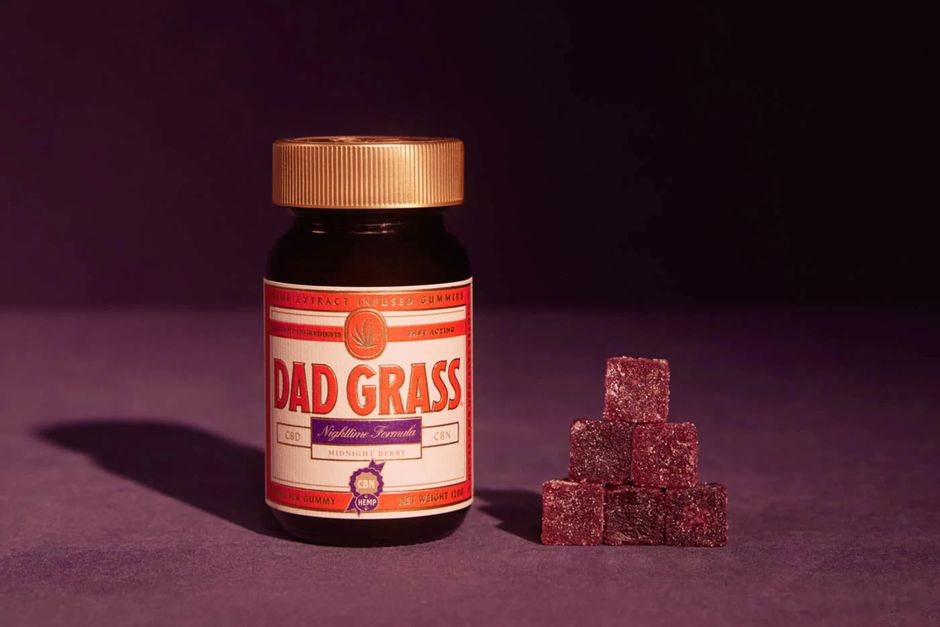
Edibles typically take 30 minutes to 2 hours to kick in, with most people feeling the first effects around the 1-hour mark. The exact timing depends on your metabolism, what you have eaten, and the type of edible you consume. Some people do not feel anything for up to 4 hours, which is normal and not a sign the edible is weak.
How Long For Edibles To Kick In? The Typical Timeline
The onset of edible effects follows a predictable but highly individual pattern. Here is what most people experience:
0 to 30 minutes: Nothing happens. The edible is moving through your stomach and into your small intestine.
30 minutes to 90 minutes: The first subtle effects begin. This may feel like slight relaxation, mild drowsiness, or a small shift in perception. Many people miss these early signs if they are distracted.
2 to 3 hours: Peak effects arrive. This is when the strongest sensations occur. The intensity can surprise first-time users because the rise is gradual and then suddenly stronger.
4 to 6 hours: Effects begin to fade but can remain noticeable. Some people feel residual effects for 8 hours or longer, especially with higher doses.
This timeline applies to most standard cannabis edibles such as brownies, gummies, and capsules. Drinks and tinctures work differently and typically kick in faster, often within 15 to 45 minutes.
What Causes The Delay Compared To Smoking?
The delay happens because of how your body processes THC when you eat it. When you smoke or vape cannabis, THC enters your bloodstream directly through your lungs and reaches your brain within seconds to minutes.
When you eat an edible, THC travels to your stomach, then to your small intestine, and then to your liver before it enters your bloodstream. The liver converts THC into a compound called 11-hydroxy-THC. This metabolite is more potent and crosses the blood-brain barrier more easily than inhaled THC. That is why edible effects can feel stronger and last longer even though they take longer to start.
This liver processing, called first-pass metabolism, is the main reason edibles do not kick in quickly. The entire process from stomach to liver to bloodstream takes time.
Why Do Some Edibles Take Longer To Work Than Others?
Several factors explain why one person feels an edible in 30 minutes while another waits 3 hours for the same product.
Food in your stomach is the biggest variable. Eating an edible on an empty stomach generally leads to faster absorption, sometimes within 30 to 45 minutes. Eating an edible with a heavy meal, especially one high in fat, can delay onset to 2 hours or more. Fat does help with THC absorption, but a full stomach slows down gastric emptying first.
Metabolism rate matters. People with faster metabolisms tend to process and absorb edibles more quickly. Age, body composition, and genetics all play a role here.
Type of edible changes the timeline. Gummies and hard candies require more digestion than drinks or tinctures. Drinks enter the bloodstream faster because the liquid is absorbed partially in the mouth and stomach before reaching the liver.
Individual enzyme activity varies. Your liver enzymes, specifically CYP450 enzymes, process THC at a rate determined partly by your genetics. Some people naturally convert THC to 11-hydroxy-THC faster than others.
Dose amount does not usually speed up onset. Taking a larger dose does not make it kick in faster; it only makes the eventual peak stronger.





How Long Do Edible Effects Last Once They Start?
Once edible effects begin, they typically last 4 to 8 hours. The peak of those effects usually occurs between 2 and 3 hours after onset. After the peak, effects taper off gradually over several hours.
Several factors determine duration. Higher doses last longer. Your individual metabolism affects how quickly your body breaks down THC. Regular users may process THC faster because of enzyme adaptation, which can shorten the duration.
Residual effects, such as drowsiness or mild mental fog, can persist for 12 hours or more in some people. This is more common with high doses or in people who are sensitive to THC. If you take an edible in the evening, you may still feel some effects the next morning. Plan accordingly.
Drinks and fast-acting edibles that use nano-emulsified THC tend to have a shorter duration, often 2 to 4 hours, because they are absorbed and processed more quickly.
What Happens If You Eat Too Many Edibles Before They Kick In?
This is the most common mistake people make with edibles. Because nothing happens in the first 30 to 60 minutes, some people assume the edible is weak and take another dose. When the first dose finally kicks in together with the second dose, the combined effect can be very strong and unpleasant.
Taking too much THC can cause extreme anxiety, paranoia, rapid heart rate, nausea, vomiting, confusion, and in some cases hallucinations. These symptoms are not dangerous in healthy adults from a medical safety standpoint, but they can feel deeply uncomfortable and frightening. Emergency room visits from edibles are almost always caused by people who took a second or third dose before the first one hit.
No clinical guidelines exist for reversing an overconsumption of edibles. Supportive care is the standard approach: stay calm, lie down in a quiet room, drink water, and wait for the effects to fade. The effects will pass as your body metabolizes the THC. Calling poison control or seeking medical attention is reasonable if symptoms feel severe or if you have underlying health concerns.
The safest approach is to start with a low dose and wait at least 2 hours, ideally 3 hours, before considering another dose. This is often called the “start low and go slow” rule and is widely recommended by clinicians familiar with cannabis.
Does Food Or Drink Affect How Fast Edibles Work?
Yes, what you eat and drink has a significant effect on edible onset time. Eating a fatty meal before or with an edible can increase total THC absorption because THC is fat-soluble. However, a full stomach also delays gastric emptying, which pushes back the entire timeline.
Empty stomach edibles tend to kick in faster but may produce a sharper, more intense peak. Some people prefer this because the effects are more predictable. Others find the intensity uncomfortable and prefer to eat a small snack with their edible to smooth out the onset.
Acidic drinks like citrus juices may slightly speed up absorption, though the evidence for this is limited. Alcohol, on the other hand, can amplify the effects of THC and change how it is processed, but it does not reliably speed up onset. Drinking alcohol with edibles may increase the risk of overconsumption and unpleasant effects.
Grapefruit and grapefruit juice are worth mentioning because they inhibit CYP450 liver enzymes, the same enzymes that process THC. Consuming grapefruit close to taking an edible could theoretically slow THC metabolism and prolong or intensify effects. The evidence here comes from grapefruit’s known interaction with other drugs processed by the same enzyme pathway, not from direct studies on cannabis edibles.
Frequently Asked Questions
How long do edibles take to kick in on an empty stomach?
On an empty stomach, edibles typically kick in within 30 to 60 minutes. Some people may feel effects as early as 20 minutes, but this is less common.
Can I make edibles kick in faster?
Eating them on an empty stomach is the most reliable way to speed up onset. Choosing a drink or nano-emulsified edible can also produce faster results, sometimes within 15 to 30 minutes.
How long should I wait before eating more?
Wait at least 2 hours, and ideally 3 hours, before taking another dose. Taking more sooner is the main cause of accidentally consuming too much.
Why did my edible take 4 hours to work?
A 4-hour onset is within the normal range and usually means you ate the edible with a heavy meal, have a slower metabolism, or your liver processes THC slowly. It does not mean the edible is weak or bad.
