
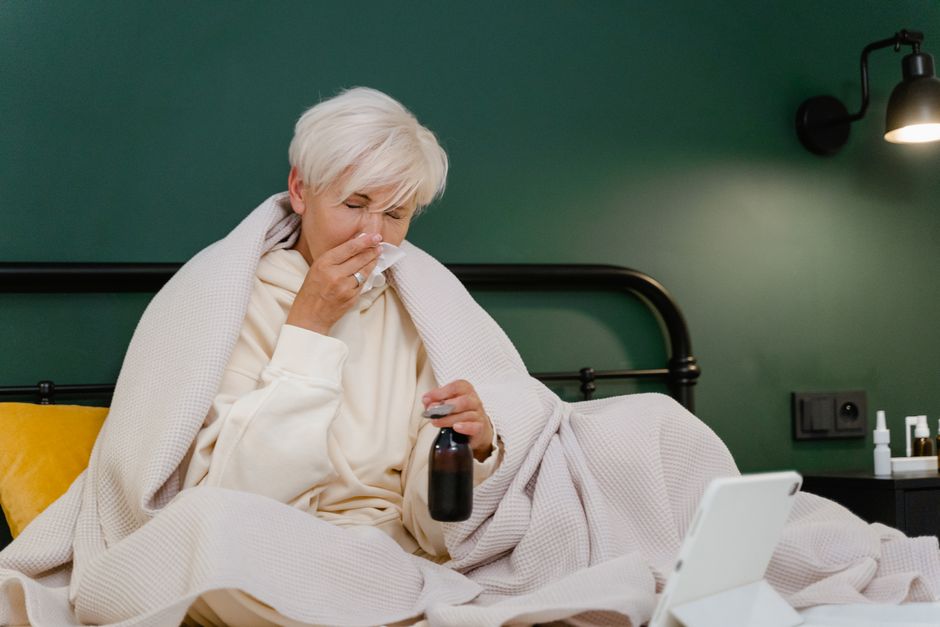
Most colds get better on their own in about 7 to 10 days. Symptoms usually peak around day 2 to 3 and then slowly ease. A cough can linger for 1 to 2 weeks after other symptoms are gone, and sometimes longer. That is normal and does not usually mean something is wrong.
The common cold is a viral infection of the upper respiratory tract. More than 200 viruses can cause one, which is why you can catch colds again and again. There is no cure, but the timeline is fairly predictable. Knowing what to expect day by day helps you tell a normal cold apart from something that needs medical attention.
How Long For A Cold To Go Away Day By Day?
Day 1 usually starts with a scratchy throat, sneezing, or a runny nose. You may feel tired but not truly sick yet. The virus has settled into the lining of your nose and throat and your immune system is beginning to respond.
Days 2 and 3 are often the worst. Nasal congestion builds, your nose runs, and you may run a low fever. A sore throat is common early on and tends to fade first. This is the phase when people feel most miserable and most contagious.
Days 4 through 7 bring gradual improvement. Congestion starts to loosen. Nasal mucus may turn thicker and change color, which by itself is not a sign of anything serious. The cough, if you have one, often becomes more noticeable as postnasal drip irritates your throat.
Days 8 through 10 are when most people feel close to normal. A mild cough or lingering stuffiness can hang on. By this point the infection is winding down even if you do not feel 100 percent.
Beyond day 10, a cough may persist for 1 to 2 weeks. Some people cough for longer. This is usually airway irritation left behind after the infection clears, not an active infection.
Why Do Cold Symptoms Last So Long?
Cold symptoms are mostly caused by your immune response, not the virus itself. When your body detects a cold virus, it releases chemicals that widen blood vessels and pull immune cells into your nose and throat. That is what produces the stuffiness, mucus, and soreness.
The virus itself is usually cleared within several days. The symptoms take longer because the inflammation and mucus production take time to settle down. Your airways also become temporarily more sensitive, which is why a cough can outlast everything else.
This matters because it explains why antibiotics do not help. Colds are caused by viruses, and antibiotics only work against bacteria. Taking them for a cold does nothing for the infection and adds risks like side effects and antibiotic resistance.
Is A Cold Contagious And For How Long?
You are most contagious in the first few days, when symptoms are building and at their worst. Most people spread cold viruses starting a day or two before symptoms appear and remain contagious for roughly the first week.
Colds spread mainly through droplets when someone coughs or sneezes, and through hands and surfaces. Cold viruses can survive on hard surfaces for hours, which is why handwashing matters more than most people realize. Washing your hands with soap and water is one of the few measures with solid evidence behind it for reducing spread.
Children tend to stay contagious a bit longer than adults and often shed virus for up to two weeks. If you can, keep some distance from others while you feel worst, and cover coughs and sneezes.
When Should You See A Doctor?
Most colds do not need medical care. But some symptoms are worth checking. See a doctor if symptoms last more than about 10 days without improving, or if they seem to get better and then worsen again. That pattern can suggest a secondary bacterial infection such as sinusitis.
Other signs that warrant a call include a fever above 101 to 102 degrees Fahrenheit in adults, shortness of breath, chest pain, wheezing, a severe sore throat that makes swallowing very hard, or symptoms that feel far worse than a typical cold. In children, a high fever, unusual drowsiness, or trouble breathing should be checked promptly.
People with asthma, chronic lung disease, weakened immune systems, or who are pregnant should have a lower threshold for seeking advice. Colds can trigger flare-ups in these groups.
What Actually Helps A Cold Go Away Faster?
Nothing reliably shortens a cold. No treatment has been shown in strong trials to make a cold resolve faster in otherwise healthy adults. What you can do is manage symptoms and support your body while it does the work.
Rest and fluids are commonly recommended and sensible, though the evidence that they shorten a cold is limited. They help you feel better and stay hydrated.
For symptom relief, some options have modest evidence:
- Saline nasal sprays or rinses can ease congestion and are low risk when used properly with clean water.
- Over-the-counter pain relievers can reduce sore throat and fever discomfort. Follow label directions and check with a pharmacist if you take other medicines.
- Honey may soothe a cough in adults and children over age 1. Never give honey to infants under 1 year because of the risk of infant botulism.
- Humidified air and staying hydrated can make a raw throat and thick mucus feel less irritating.
Be cautious with over-the-counter cold and cough medicines, especially combination products. They can overlap in ingredients, and some are not appropriate for young children. For children under 6, cough and cold medicines are not recommended for symptom relief because evidence of benefit is lacking and risks exist.
Do Cold Myths Hold Up?
Several common beliefs do not match the evidence. Being cold or wet does not cause a cold. Colds are caused by viruses, and you catch them from other people or contaminated surfaces, not from chilly weather itself. Cold weather may correlate with more colds because people spend more time indoors in close contact, but the temperature is not the cause.
Mucus color is a weak guide. Green or yellow mucus does not reliably mean a bacterial infection. It often just reflects immune cells in the mucus and is common in ordinary viral colds.
Vitamin C is widely marketed for colds. For most people, regular vitamin C supplementation has not been shown to prevent colds, and taking it after symptoms start does not reliably shorten them. Zinc lozenges have been studied with mixed results, and some formulations cause nausea and a metallic taste. The evidence is not strong enough to treat zinc as a reliable remedy.
Echinacea and other popular supplements have not been consistently shown to shorten colds in well-designed trials. If you are considering any supplement, especially if you take medication or are pregnant, talk with a pharmacist or clinician first.
How Can You Reduce Your Chances Of Catching A Cold?
Hand hygiene is the most reliable step. Wash your hands often, especially before eating and after being around people who are sick. Avoid touching your eyes, nose, and mouth with unwashed hands, since viruses enter through these routes.
Cover coughs and sneezes, clean frequently touched surfaces, and avoid close contact with people who are clearly ill when you can. Getting enough sleep and managing stress support general immune function, though the direct effect on cold frequency is hard to measure precisely.
Frequently Asked Questions
How long does a cold usually last?
Most colds improve within 7 to 10 days. A cough can linger for 1 to 2 weeks after other symptoms clear.
Is a cold still contagious after symptoms fade?
You are most contagious in the first few days when symptoms are worst. Most people are no longer very contagious once symptoms are clearly improving.
Should I take antibiotics for a cold?
No, antibiotics do not work against cold viruses. They are only effective against bacterial infections and carry risks like side effects and resistance.
When should I worry about a cold that won’t go away?
See a doctor if symptoms last more than about 10 days without improving or worsen after seeming to get better. Those patterns can suggest a secondary infection.
