
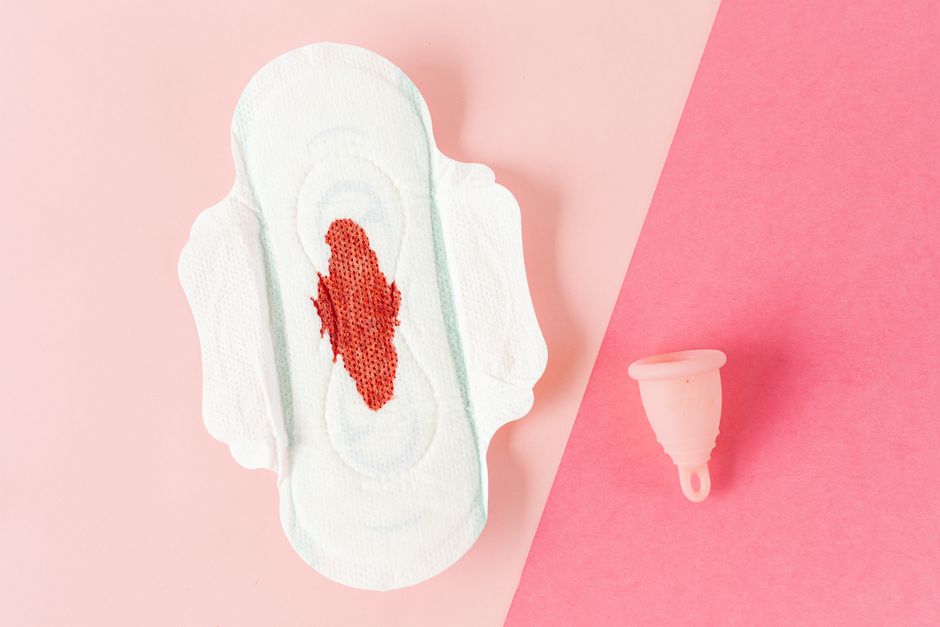
A menstrual cycle lasts about 28 days on average, but a normal cycle can run anywhere from 21 to 35 days in adults. Within that cycle, bleeding typically lasts 3 to 7 days, the follicular phase varies most from person to person, ovulation happens roughly midway, and the luteal phase is the most consistent at around 14 days. That last point surprises many people: the second half of the cycle is far more predictable than the first.
What Are the Four Phases of the Menstrual Cycle?
The cycle has four phases, each driven by changing hormone levels. They run in sequence, and each one prepares the body for a different stage of the reproductive process.
Menstruation is the shedding of the uterine lining. It begins on day one of the cycle, which is the first day of full bleeding.
The follicular phase starts on day one as well and overlaps with menstruation. During this time, the pituitary gland releases follicle-stimulating hormone (FSH), which prompts several follicles in the ovary to develop. Usually one becomes dominant.
Ovulation is the release of a mature egg from the ovary. It is triggered by a sharp rise in luteinizing hormone (LH).
The luteal phase follows ovulation. The ruptured follicle becomes a structure called the corpus luteum, which produces progesterone to support a possible pregnancy. If no pregnancy occurs, hormone levels fall and the lining sheds, starting the next cycle.
How Long Each Menstrual Phase Lasts And Why It Varies
Each phase has a typical range, but the variation between them is not equal. The follicular phase is the flexible one. The luteal phase is not.
Menstrual bleeding generally lasts 3 to 7 days. The follicular phase, measured from day one until ovulation, can range widely — often around 10 to 14 days but sometimes much longer. Ovulation itself is a brief event, lasting roughly 12 to 24 hours. The luteal phase typically lasts about 14 days and is relatively fixed in most people, usually falling between 11 and 16 days.
The reason the follicular phase varies more comes down to how follicles develop. That process depends on hormone signaling that can be influenced by age, stress, illness, sleep, weight changes, and other factors. The luteal phase is governed more tightly by the lifespan of the corpus luteum, which is less sensitive to those same influences.
This is why cycle length differences between people — and between cycles in the same person — usually trace back to the first half of the cycle, not the second.
What Counts as a Normal Cycle Length?
A normal adult cycle falls between 21 and 35 days, according to widely used clinical definitions. Cycles shorter or longer than that are considered irregular and worth discussing with a clinician.
Teenagers are a different case. In the first few years after menstruation begins, cycles are often longer and more unpredictable. This is expected, because the hormonal feedback system between the brain and ovaries is still maturing. Cycles commonly settle into a more regular pattern over time.
Around perimenopause, the opposite happens. Cycles can become shorter, longer, or skip entirely as hormone levels fluctuate. Irregularity in this stage is common, though new or unusual bleeding patterns still deserve medical attention.
Bleeding that lasts longer than 7 days, soaks through protection quickly, or occurs between periods is not something to dismiss. These patterns can have several causes, and a clinician can help sort out which one applies.
Why Does the Luteal Phase Stay Consistent While the Follicular Phase Changes?
The luteal phase is anchored to the corpus luteum, a temporary gland with a fairly set lifespan. Unless pregnancy occurs, it stops producing progesterone after roughly two weeks, and that drop triggers menstruation.
The follicular phase has no such fixed clock. It runs on a feedback loop between the hypothalamus, pituitary, and ovaries. That loop can be nudged by many things — significant weight loss or gain, intense exercise, poor sleep, thyroid problems, high stress, and approaching menopause among them. When the loop is disrupted, follicle development can slow down or speed up, and cycle length shifts with it.
One clarification worth knowing: the idea that “everyone ovulates on day 14” is a myth built on the 28-day average. Ovulation timing depends on when the follicular phase ends, and that varies. In a person with a 35-day cycle, ovulation may happen closer to day 21. The luteal phase afterward still tends to run about two weeks.
What Factors Change How Long Each Phase Lasts?
Several factors can shift phase length, and most of them act on the follicular phase or on ovulation timing.
- Age. Cycles are often irregular in the teen years and again during perimenopause.
- Body weight. Significant weight change can affect hormone signaling and cycle regularity.
- Stress. Sustained high stress can disrupt the hormonal feedback that governs ovulation.
- Intense exercise. Very high training loads can interfere with ovulation in some people.
- Thyroid conditions. Both an overactive and underactive thyroid can affect cycle length.
- Conditions such as PCOS. Polycystic ovary syndrome is a common cause of irregular or long cycles.
- Medications. Some, including certain hormonal contraceptives, change bleeding patterns directly.
Hormonal birth control deserves a separate note. Many methods work by preventing ovulation and changing the uterine lining, so the bleeding that happens on a pill, patch, or ring is not a true menstrual period. It is a withdrawal bleed, and its timing is set by the medication rather than by the body’s own cycle. This distinction matters when tracking cycles or interpreting what “regular” means.
How Do You Track Phase Length Accurately?
Tracking works best when you record the first day of full bleeding as day one, then note the pattern over several months. A single cycle tells you little. Patterns emerge over time.
For ovulation timing, no method is perfect. Calendar apps estimate based on averages and can be off, especially if your cycles vary. Basal body temperature rises slightly after ovulation, so tracking it can show that ovulation happened — but it confirms it after the fact, not before. Ovulation predictor kits detect the LH surge that precedes ovulation, usually by a day or so.
If your goal is understanding your own pattern rather than predicting ovulation precisely, simple logging of bleeding days and cycle length is often enough. Bring a few months of records to a clinician if you have concerns about irregularity, very long or short cycles, or unusual bleeding.
When Should Irregular Phase Length Be Checked?
Cycle variation is common and often harmless. But some patterns are worth a medical conversation rather than watchful waiting.
These include cycles consistently shorter than 21 days or longer than 35 days, bleeding that lasts more than 7 days, bleeding between periods, bleeding after menopause, and cycles that suddenly change pattern after years of regularity. Pain that disrupts daily life is also a reason to seek care.
The honest position is that irregular cycles have many possible causes, and the same symptom can point to different things in different people. A clinician can assess which explanations fit, rather than assuming one cause from a single symptom.
Frequently Asked Questions
How long does each phase of the menstrual cycle last?
Bleeding typically lasts 3 to 7 days, the follicular phase varies widely, ovulation lasts about 12 to 24 hours, and the luteal phase usually runs about 14 days. The follicular phase is the most variable of the four.
Is a 35-day cycle normal?
Yes, a cycle up to 35 days falls within the normal adult range of 21 to 35 days. Cycles consistently longer than that are considered irregular and worth discussing with a clinician.
Why is my follicular phase longer some months?
The follicular phase depends on hormone signaling that can be affected by stress, sleep, weight changes, illness, and age. When that signaling shifts, follicle development can take longer, which lengthens the first half of the cycle.
Can the luteal phase change length?
It can, but usually within a narrow range of roughly 11 to 16 days. A consistently short luteal phase is sometimes noted in clinical settings, though the evidence on its effects is mixed.
