
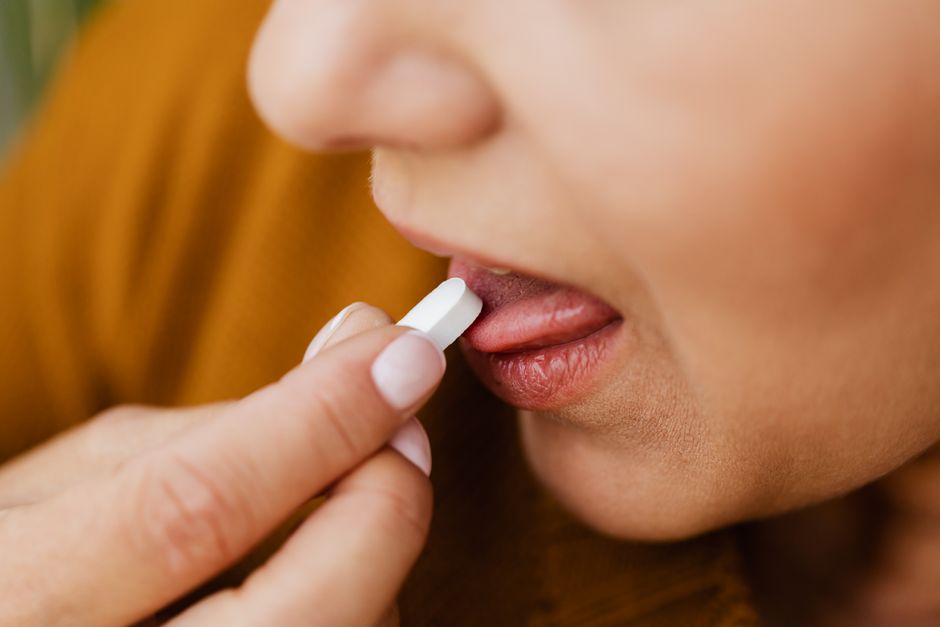
Trazodone is a prescription antidepressant that is frequently used at low doses to help with sleep. If you are starting it, you likely want to know how fast it works. For sleep, trazodone typically begins to work within 30 to 60 minutes after taking a dose. For depression, the full therapeutic effect usually takes 2 to 4 weeks to develop, though some people notice early changes in sleep and appetite within the first week.
How Long Does Trazodone Take To Work for Sleep?
When prescribed for insomnia, trazodone is usually taken at a low dose right before bedtime. Most people feel the sedative effect within 30 to 60 minutes. This is why doctors often advise taking it only when you are ready to get into bed.
The sleep effect is tied to how the drug acts in the brain. Trazodone blocks certain serotonin receptors and histamine receptors, which produces drowsiness. This effect is separate from its antidepressant action, which takes longer to develop.
One important note: the sedative effect can be strong at first. Some people feel groggy the next morning, especially during the first few days. This usually lessens as your body adjusts, but it is worth mentioning to your doctor if it does not improve.
How Long Does Trazodone Take To Work for Depression?
For depression, the timeline is different. Trazodone is an antidepressant, but it does not lift mood overnight. Clinical evidence shows that meaningful improvement in depressive symptoms typically takes 2 to 4 weeks of consistent daily dosing.
Some people notice early changes before that. Sleep quality often improves within the first week, which can indirectly affect mood. Appetite may also improve early on. But the core symptoms of depression—low mood, loss of interest, poor concentration—usually respond more slowly.
If you have not noticed any improvement after 4 to 6 weeks, talk to your doctor. Some people need a higher dose or a different medication. Do not stop taking it on your own, as stopping abruptly can cause withdrawal-like symptoms.
What Dose Is Used for Sleep vs. Depression?
Dose matters a great deal for how the drug behaves. The dose for sleep is much lower than the dose for depression.
| Use | Typical Starting Dose | Typical Range |
|---|---|---|
| Sleep (insomnia) | 25–50 mg at bedtime | 25–100 mg |
| Depression | 150 mg per day, divided | 150–400 mg per day |
At low doses, trazodone acts mainly as a sedative. At higher doses, its antidepressant effects become more prominent. This is why the question “how long does trazodone take to work” has two different answers depending on what you are treating.
These figures reflect standard prescribing practice in the United States. Your doctor may adjust them based on your specific situation, other medications, and how you respond.





Why Does Trazodone Work Faster for Sleep Than for Mood?
The difference comes down to brain chemistry. The sedative effect happens because the drug quickly blocks histamine and serotonin receptors that promote wakefulness. This is a direct, immediate action.
The antidepressant effect is more complex. It involves changes in how brain cells communicate over time. The brain needs weeks to adapt to the medication—receptor density changes, gene expression shifts, and new neural pathways form. These adaptations are what ultimately improve mood, and they cannot be rushed.
This is a common point of confusion. People expect one timeline for the drug, but it has two distinct mechanisms working on different schedules.
What Affects How Quickly Trazodone Works?
Several factors can change how fast you feel the effects.
- Food: Taking trazodone with a heavy meal can slow absorption. Taking it on an empty stomach usually produces faster effects.
- Age: Older adults may feel the sedative effect more strongly and may need lower doses.
- Other medications: Sedatives, alcohol, and certain anxiety medications can intensify the drowsiness. Some antidepressants and antifungals can raise trazodone levels in the blood.
- Liver function: Trazodone is processed by the liver. Reduced liver function can slow clearance and prolong effects.
- Genetics: Individual differences in liver enzymes affect how quickly the drug is broken down.
If you feel the medication is not working or is working too strongly, report that to your doctor. Dose adjustments are common in the first few weeks.
What Are the Common Side Effects?
The most common side effects are related to sedation. These include drowsiness, dizziness, dry mouth, and blurred vision. Many of these are most noticeable in the first week.
Dizziness and lightheadedness can be worse when standing up quickly. This is because trazodone can lower blood pressure. Move slowly when getting out of bed or a chair, especially in the first few days.
A rare but serious side effect is priapism, a prolonged and painful erection that requires immediate medical attention. This is a medical emergency. If it happens, go to an emergency room without delay.
Serotonin syndrome is another rare but serious risk, especially if trazodone is combined with other medications that raise serotonin levels. Symptoms include agitation, confusion, rapid heart rate, and muscle twitching. This requires urgent medical care.
How Do You Stop Taking Trazodone Safely?
Do not stop trazodone suddenly, especially if you have been taking it for more than a few weeks. Stopping abruptly can cause nausea, headache, dizziness, and anxiety.
Your doctor will usually taper the dose gradually over several weeks. This gives your brain time to adjust to the change. The exact taper schedule depends on your dose and how long you have been taking the medication.
If you are stopping because of side effects, tell your doctor. There may be a different dose or a different medication that works better for you.
What If Trazodone Does Not Work for You?
Trazodone does not work for everyone. If you have taken it consistently for 6 weeks at a therapeutic dose and have seen no improvement in depression, talk to your doctor about alternatives.
For sleep, if the sedative effect wears off after a few weeks, that is also worth discussing. Tolerance can develop, and the medication may stop being effective for sleep even if it was helpful at first.
Other options exist. For depression, there are many other antidepressant classes. For insomnia, there are other medications and non-drug approaches like cognitive behavioral therapy for insomnia, which has strong evidence of long-term effectiveness.
Some research suggests that trazodone may be less effective for sleep when used nightly over long periods. Intermittent use—only on nights when you need it—may preserve its effectiveness, but discuss this strategy with your doctor first.
Frequently Asked Questions
Can I take trazodone every night for sleep?
Yes, it is commonly prescribed for nightly use, but tolerance can develop over time. Discuss long-term use with your doctor, as non-drug treatments for insomnia may be more durable.
Is 50 mg of trazodone enough for sleep?
For many people, 50 mg is an effective starting dose for sleep. Your doctor may adjust it up or down based on how you respond.
Can I drink alcohol while taking trazodone?
No. Alcohol intensifies the sedative effects of trazodone and can cause dangerous drowsiness and impaired coordination. This combination should be avoided.
How long does trazodone stay in your system?
Trazodone has a half-life of about 5 to 9 hours, meaning it takes roughly one to two days to be mostly eliminated from the body. The sedative effect, however, lasts only a few hours.
