
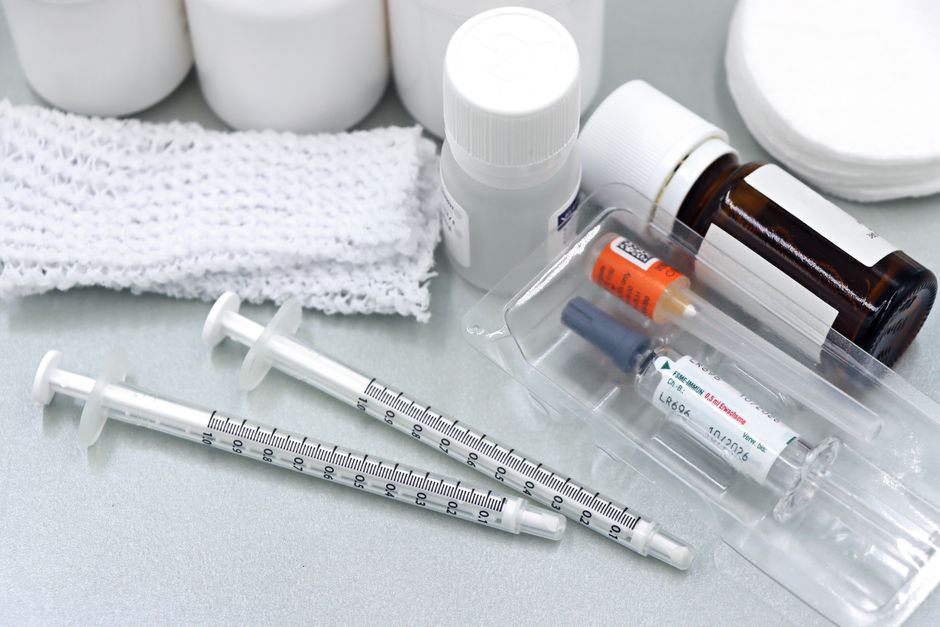
Polio vaccines provide long-lasting protection, and for most adults the protection from a completed childhood series is considered to last for decades — in many cases for life. Adults who never completed a primary polio series, or who are traveling to areas where polio is still present, may need a booster or a full series. The short answer: routine boosters are not recommended for adults in the United States who completed their childhood vaccination, but specific situations call for an additional dose.
How Long Does the Polio Vaccine Last for Adults?
For adults who received a complete polio vaccine series as children, protection is generally considered to last many decades and likely for life in most people. This is why public health guidance in the United States does not recommend routine polio boosters for adults living in the country.
The two main types of polio vaccine — inactivated poliovirus vaccine (IPV, given by injection) and oral poliovirus vaccine (OPV, given by mouth) — both produce strong, durable immunity. IPV is the only polio vaccine used in the United States since 2000. OPV is still used in some countries during outbreak response and in regions where polio remains a concern.
What the evidence shows is reassuring but worth understanding precisely. Studies of vaccinated populations have found that antibodies and immune memory persist for many years after a complete series. The immune system does not simply forget the virus. Memory B cells and T cells remain ready to respond if exposure occurs, even when circulating antibody levels decline over time.
That said, no vaccine is 100 percent effective in every person, and immunity can vary. People with certain immune-compromising conditions may not mount as strong a response. This is one reason guidance focuses on individual circumstances rather than a single universal rule.
Do Adults Need a Polio Booster?
Most adults in the United States do not need a polio booster. The Centers for Disease Control and Prevention (CDC) advises that adults who completed a primary series as children generally do not require additional doses unless they fall into specific risk groups.
Those groups include:
- Adults traveling to countries where polio is still circulating or where outbreaks are occurring
- Laboratory workers who handle poliovirus
- Health care workers who may come into contact with patients infected with poliovirus
- Adults who are part of a community experiencing a confirmed polio outbreak
For these adults, a single lifetime booster dose of IPV is often recommended if they have not already received one as an adult. The exact recommendation can depend on the destination and the current global polio situation, which changes over time. Checking the latest travel health guidance before international travel is sensible.
One point that is often misunderstood: the recommendation for a booster in these groups is not because childhood protection has “worn off” in a simple sense. It is a precaution to ensure the strongest possible protection in settings where exposure risk is meaningfully higher.
What If You Never Completed the Polio Vaccine Series?
Adults who never received a complete polio series, or who are unsure of their vaccination history, should talk with a health care provider about catching up. The approach depends on what doses, if any, were previously received.
For adults with no history of polio vaccination, the standard approach is a primary series of three doses of IPV. The doses are typically spaced over a period of weeks to months, following a schedule set by public health guidance. Adults who received only part of a series can usually complete it rather than starting over.
If vaccination records are unavailable, a provider can help decide whether to revaccinate or whether there is enough reason to believe prior vaccination occurred. In many cases, revaccination is considered safe and is done when records cannot be confirmed — but that is a clinical judgment, not a fixed rule.
Adults born before widespread polio vaccination in the United States (roughly before the late 1950s and early 1960s) may have been exposed to wild poliovirus naturally, which also produces immunity. This is a detail worth raising with a provider rather than assuming either way.
How Effective Is the Polio Vaccine?
The polio vaccine is one of the most effective vaccines in use. A complete IPV series produces protective antibodies in the great majority of recipients. Research consistently shows high seroconversion rates — meaning most people develop detectable protective antibodies after the recommended doses.
Effectiveness is not the same as perfection. A small number of people do not develop a strong response after the standard series. This is true of essentially all vaccines. For polio specifically, the population-level effect has been dramatic: the disease has been eliminated from the United States since 1979 and from most of the world, though it has not been eradicated globally.
OPV and IPV differ in one important way. OPV produces strong intestinal immunity, which helps reduce spread of the virus between people. IPV protects the vaccinated person very well against paralytic disease but produces less intestinal immunity. This is why countries using IPV alone still rely on high overall vaccination coverage to prevent transmission. It is a nuance that rarely comes up in everyday conversation but matters for understanding why global polio strategy uses both vaccines in different settings.
Is a Polio Booster Safe?
IPV has a well-established safety record. The most common side effects are mild and temporary — soreness or redness at the injection site. Some people experience mild headache or low fever. Serious reactions are rare.
Because IPV contains killed virus, it cannot cause polio. This was one of the reasons the United States switched from OPV to IPV in 2000. OPV, which contains weakened live virus, carries a very small risk of vaccine-associated paralytic polio — a risk that is extremely low but not zero. That risk is why OPV is no longer used routinely in the U.S.
People with certain severe immune-compromising conditions or allergies to vaccine components should discuss vaccination with a provider. This is standard for any vaccine and not specific to polio.
What About Travel to Countries With Polio?
Some countries still have circulating poliovirus, and international travel is one of the main ways the virus moves between regions. Before traveling to an area with known polio transmission, adults should check current guidance from public health authorities.
Some destination countries require proof of polio vaccination for entry, particularly for travelers arriving from certain regions. This requirement can change, so verifying it close to the travel date matters. A travel medicine clinic or a primary care provider can help confirm both the recommendation and any documentation needed.
For most adult travelers who completed a childhood series, a single lifetime IPV booster is the usual recommendation when travel to a higher-risk area is planned. Adults who never completed a series may need a full primary series before travel, which takes time — so planning ahead is important.
The Bottom Line on Adult Polio Protection
For most adults in the United States who were fully vaccinated as children, polio protection is expected to last for decades and likely for life. Routine boosters are not recommended for the general adult population. Additional doses are recommended for specific groups — travelers to higher-risk areas, lab and health care workers with exposure risk, and people in outbreak settings.
If you are unsure whether you completed a polio series, or you are planning international travel, a conversation with a health care provider is the most reliable way to sort out what, if anything, you need. Vaccine records are worth tracking down when possible. When they cannot be found, a provider can help weigh the options.
Frequently Asked Questions
How long does polio vaccine immunity last in adults?
For adults who completed a full childhood series, protection is generally considered to last many decades and likely for life in most people. Routine boosters are not recommended for adults in the U.S. who completed the series.
Do adults need a polio booster every 10 years?
No. Unlike some other vaccines, polio does not require routine boosters every 10 years for adults in the general population. A single lifetime booster may be recommended only for specific risk groups such as certain travelers and laboratory workers.
What should I do if I never had the polio vaccine?
Adults with no polio vaccination history generally need a primary series of three IPV doses, spaced according to public health guidance. A health care provider can confirm the right schedule for your situation.
Can I get polio if I was vaccinated as a child?
Vaccination greatly reduces the risk, but no vaccine is 100 percent effective in every person. The risk is very low for fully vaccinated adults, and boosters are recommended only in specific higher-risk situations.
