
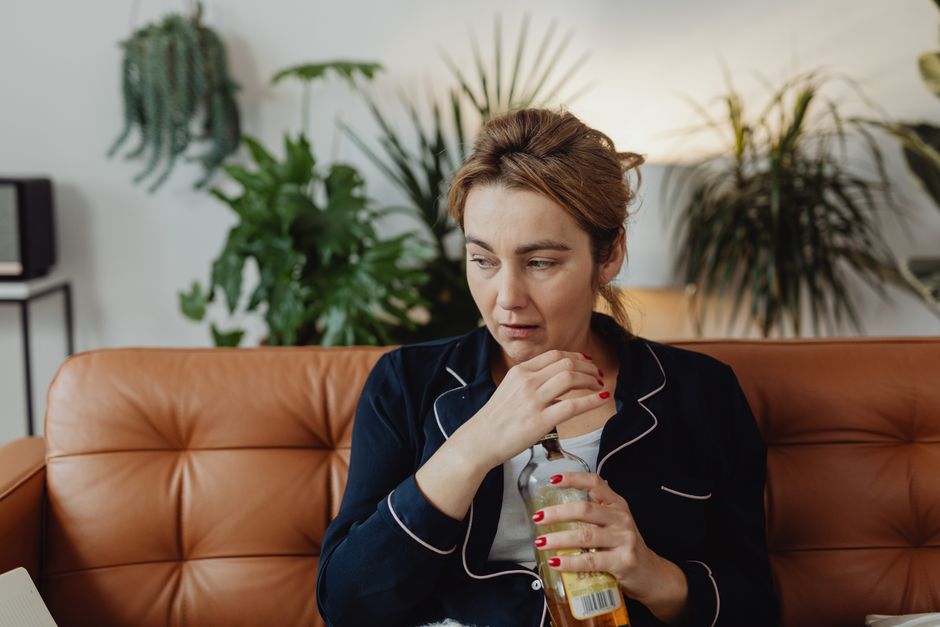
Alcohol affects everyone differently, but the basic timeline is consistent. A standard drink takes about one to two hours to leave your system. The feeling of being “drunk” typically peaks within 30 to 90 minutes after your last drink. However, the full effects—including impaired judgment and slowed reflexes—can linger for hours after you feel sober. The only reliable way to sober up is time.
How Long Does The Alcohol Effect Last in Your Body?
The effects of alcohol begin within minutes of your first sip. Alcohol is absorbed directly into your bloodstream through your stomach and small intestine. From there, it travels to your brain and other organs.
The liver processes about one standard drink per hour. A standard drink is 12 ounces of beer, 5 ounces of wine, or 1.5 ounces of distilled spirits. If you drink faster than your liver can process, your blood alcohol concentration rises. That is when you feel the effects of intoxication.
The immediate effects—relaxation, lowered inhibitions, and mild euphoria—usually appear within 15 to 30 minutes. These effects peak between 30 and 90 minutes after drinking. The duration depends on how much you drank, how fast, and your body composition.
For most people, the noticeable effects of a single drink fade within two to three hours. Two or three drinks may keep you feeling impaired for four to six hours. Heavy drinking can cause effects that last well into the next day.
What Determines How Long Alcohol Affects You?
Several factors control how quickly your body clears alcohol. None of them are things you can control in the moment. Your genetics, age, and liver health all play a role.
- Body weight and composition: People with more body water dilute alcohol more effectively. This is why a larger person often feels effects less quickly than a smaller person drinking the same amount.
- Sex: Women generally have less body water and lower levels of the enzyme that breaks down alcohol. This means alcohol stays in a woman’s system longer than a man’s, even at the same body weight.
- Food in your stomach: Eating before or during drinking slows alcohol absorption. A full stomach does not speed up elimination, but it delays the peak effect.
- Medications: Many common drugs interact with alcohol. Some amplify its effects. Others slow its breakdown. Never mix alcohol with prescription sleep aids, opioids, or anxiety medications.
- Liver health: Your liver does the work of clearing alcohol. Liver damage from hepatitis, fatty liver disease, or cirrhosis slows this process significantly.
Age also matters. As you get older, your body water decreases and liver blood flow slows. The same drink that felt mild in your twenties may hit harder in your fifties. Your body simply processes alcohol more slowly with age.
How Long Does a Hangover Last?
A hangover is not the same as intoxication. Intoxication ends when your blood alcohol concentration returns to zero. A hangover is the body’s reaction to alcohol’s toxic byproducts and the dehydration it causes.
Hangover symptoms typically begin as blood alcohol levels fall and peak when alcohol has fully left your system. Most hangovers last 12 to 24 hours. Some people feel effects for up to 48 hours after heavy drinking.
The main culprit is acetaldehyde, a toxic compound your liver produces while breaking down alcohol. This chemical causes nausea, headache, and the flushed feeling many people experience. Dehydration compounds the problem because alcohol is a diuretic. It makes you urinate more, flushing out fluids and essential electrolytes.
Sleep disruption makes hangovers worse. Alcohol interferes with rapid eye movement sleep, so even a full night of sleep after drinking is lower quality. You wake up tired even if you slept eight hours.
When Are You Legally Sober?
Legal sobriety and feeling sober are not the same thing. You can feel completely normal while still having a blood alcohol concentration above the legal driving limit. This is why “I feel fine to drive” is not a reliable measure.
The legal driving limit in all US states is 0.08 percent blood alcohol concentration. For commercial drivers, the limit is 0.04 percent. Drivers under 21 face zero-tolerance laws in most states, meaning any detectable alcohol can result in penalties.
There is no formula that reliably predicts when your blood alcohol concentration drops to zero. The common rule of thumb is one hour per standard drink, but this is an estimate. It does not account for individual differences in metabolism.
If you have been drinking, the safest choice is to wait longer than you think you need to. Many people are surprised to fail a breathalyzer test the morning after heavy drinking. Alcohol can remain detectable in your breath, blood, and urine for 12 to 24 hours after your last drink.
Does Anything Speed Up Alcohol Elimination?
No. Nothing speeds up how quickly your liver processes alcohol. Not coffee. Not a cold shower. Not exercise. Not drinking water.
These things may make you feel more alert, but they do not lower your blood alcohol concentration. A person who drinks coffee after alcohol is simply a wide-awake drunk person. Their reflexes are still slowed, and their judgment is still impaired.
Water helps with dehydration, which can reduce hangover severity. But it does not remove alcohol from your bloodstream. Your liver works at a fixed rate, and nothing changes that.
Time is the only way to sober up. If you have been drinking heavily, you may need eight to twelve hours or longer before your blood alcohol concentration returns to zero.
How Long Does Alcohol Stay in Your System for Tests?
Different tests detect alcohol for different lengths of time. This matters if you are facing a workplace drug test, a legal proceeding, or a medical evaluation.
- Breath tests: Detect alcohol for up to 24 hours after your last drink. This is the standard roadside test used by law enforcement.
- Urine tests: Can detect alcohol for 12 to 48 hours. More sensitive tests that look for alcohol metabolites can detect them for up to 80 hours.
- Blood tests: Detect alcohol for up to 12 hours. Blood tests measure current alcohol concentration, not past use.
- Hair tests: Can detect alcohol markers for up to 90 days. These are rarely used outside of forensic or employment contexts.
These windows are estimates. Individual factors like your metabolism, the amount you drank, and the specific test used can change the results.
The Risks of Drinking Beyond the Effects
Alcohol poisoning is a medical emergency. It happens when you drink more alcohol than your body can process. Blood alcohol concentration continues to rise even after you stop drinking because alcohol keeps being absorbed from your stomach.
Signs of alcohol poisoning include confusion, vomiting, seizures, slow breathing, low body temperature, and pale or blue-tinged skin. A person with alcohol poisoning may pass out and cannot be awakened. This is not someone who needs to “sleep it off.” This is a life-threatening emergency.
Call 911 immediately if you suspect alcohol poisoning. Do not leave the person alone. Do not try to make them vomit. Turn them on their side if they are vomiting to prevent choking.
Long-term heavy drinking carries serious health risks. These include liver disease, pancreatitis, certain cancers, and brain damage. The effects of alcohol are not just about the hours you spend intoxicated. They compound over years of regular drinking.
How to Reduce the Effects of Alcohol
The best way to reduce alcohol’s effects is to drink less. If you choose to drink, pace yourself. Alternate alcoholic drinks with water. Eat a meal before you start drinking and continue to snack while you drink.
Avoid drinking games or rounds that pressure you to keep up with others. Know your limits before you start. Decide ahead of time how many drinks you will have and stick to that number.
If you are taking any medication, check with your pharmacist about alcohol interactions. Many common medications—including blood pressure drugs, antidepressants, and pain relievers—do not mix safely with alcohol.
Plan your transportation before you drink. Arrange a designated driver, plan to use a ride service, or stay where you are. Never drive after drinking, even if you feel sober. The legal and personal consequences are not worth the risk.
Frequently Asked Questions
How long does it take for one drink to leave your system?
One standard drink takes about one to two hours to leave your system. This varies based on your weight, sex, age, and liver function.
Can I sober up faster by drinking coffee or taking a cold shower?
No. Coffee and cold showers make you feel more alert but do not lower your blood alcohol concentration. Only time allows your liver to process alcohol.
How long after drinking can I drive?
There is no safe waiting period that works for everyone. If you have had any alcohol, the safest choice is not to drive. If you must estimate, wait at least one hour per standard drink, and add extra time to be safe.
How long does a hangover last?
Most hangovers last 12 to 24 hours. Severe hangovers after heavy drinking can last up to 48 hours.
