
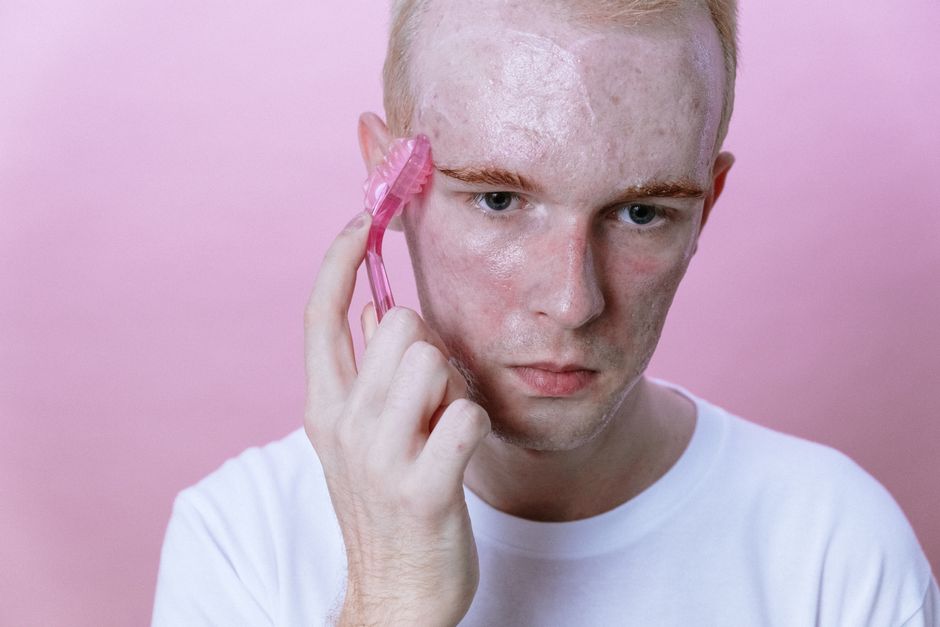
Teenage acne is a normal part of puberty, but it doesn’t last forever. For most teens, acne begins between ages 12 and 14 and clears up significantly by the late teens or early twenties. The exact timeline varies by age and gender, with boys often experiencing more severe breakouts that last longer, while girls may start earlier but see it resolve sooner.
When Does Teenage Acne Typically Start?
Acne usually shows up when hormone levels rise during puberty. These hormones, called androgens, cause the skin’s oil glands to enlarge and produce more sebum. Excess oil mixes with dead skin cells and clogs pores, which leads to pimples.
For most teens, this process begins between ages 12 and 14. Some start earlier. Some start later. If a parent had acne as a teen, their child is more likely to get it too. Genetics plays a major role in when acne appears and how long it sticks around.
How Long Does Teenage Acne Last By Age Gender?
Acne duration differs between boys and girls. Girls often see their first breakouts at age 11 or 12. Boys typically start later, around age 13 or 14, but their acne tends to be more severe and longer-lasting.
For many girls, acne improves by age 17 or 18. For boys, it often continues into their early twenties. Some research indicates that about 80 percent of people between ages 11 and 30 have some form of acne at some point. For most, it resolves completely by the mid-twenties.
Hormonal fluctuations explain much of the difference. Girls have monthly cycles that can trigger breakouts well into adulthood. Boys produce steady, high levels of testosterone during the teenage years, which keeps oil production elevated for longer.
Why Does Acne Last Longer in Boys?
Male skin produces more oil than female skin. Testosterone directly stimulates sebaceous glands. This means boys often have more inflamed, cystic acne that takes longer to heal.
Boys also have thicker skin and larger pores. These differences make blockages more likely and deeper. Deeper blockages turn into nodules and cysts, which are the most stubborn forms of acne and can leave permanent scars if not treated.
This does not mean every boy will have severe acne. Many have mild breakouts that clear quickly. But when comparing averages, male acne tends to peak later and resolve later than female acne.





Why Does Acne Sometimes Last Into Adulthood?
Some people are surprised when acne continues past their teenage years. This is common, especially in women. Adult-onset acne or persistent acne affects a significant number of people in their twenties and thirties.
Hormones remain the primary driver. Women experience hormonal shifts during their menstrual cycle, pregnancy, and perimenopause. Stress also raises cortisol levels, which can increase oil production at any age.
Certain products and habits can extend the life of acne. Heavy moisturizers, pore-clogging makeup, and dirty phone screens can all contribute. But for most people, teenage acne is not a sign of a lifelong problem. It is a phase that passes.
What Actually Helps Teenage Acne Clear Faster?
Treatment can shorten the duration of acne. The most effective approach depends on severity. Over-the-counter products containing benzoyl peroxide or salicylic acid work for mild cases. These ingredients reduce bacteria and help unclog pores.
For moderate to severe acne, dermatologists often recommend prescription treatments. Topical retinoids like adapalene are proven to help. They work by normalizing skin cell turnover so pores do not get blocked. Antibiotics may be used short-term to reduce inflammation and bacteria.
For severe, scarring acne, isotretinoin is the most effective option available. It is a powerful medication with significant side effects, so it is only used under close medical supervision. It is not a first-line treatment, but it can permanently clear acne that does not respond to other therapies.
Consistency matters more than intensity. Washing the face twice daily with a gentle cleanser is enough. Scrubbing hard or using harsh products can irritate the skin and make acne worse. Moisturizer should not be skipped. Even oily skin needs hydration.
When Should a Teen See a Dermatologist?
A dermatologist visit is warranted when acne is painful, leaving scars, or not improving with over-the-counter products. Waiting too long can lead to permanent scarring that is much harder to treat than acne itself.
Early treatment is particularly important for cystic acne. These deep, tender bumps can cause lasting marks even after the acne itself clears. A dermatologist can offer prescription options that work much faster than anything available without a prescription.
If acne is causing emotional distress, that is also a reason to seek help. Acne affects self-esteem and social confidence. Addressing it early is not about vanity. It is about quality of life.
Common Myths About Teenage Acne Duration
One widespread myth is that acne only lasts as long as puberty. This is inaccurate. Acne can persist well into the twenties and sometimes beyond. Another myth is that eating chocolate or greasy foods causes acne. Research does not support a strong link between specific foods and acne severity. A balanced diet is good for overall health, but cutting out chocolate will not cure acne.
Another myth is that popping pimples makes them go away faster. Popping pushes bacteria deeper into the skin, making inflammation worse and increasing the risk of scarring. Letting pimples run their course or using spot treatments is better.
Sun exposure is sometimes thought to dry out pimples. While a tan may temporarily mask redness, UV damage irritates the skin and can worsen acne over time. Sunscreen that does not clog pores is a better choice.
Can Acne Be Prevented Entirely?
There is no proven way to prevent teenage acne completely. Because hormones drive it, acne will develop in most teens regardless of hygiene or diet. The goal is not prevention. The goal is management.
Starting a simple skincare routine early can reduce the severity of breakouts. Cleansing twice a day, using a non-comedogenic moisturizer, and applying a topical treatment when needed are reasonable steps. Teens who start treatment early generally have shorter and less severe acne journeys.
Parents can help by normalizing the experience. Acne is not caused by being dirty or eating poorly. It is a medical condition influenced by genetics and hormones. That message reduces shame and encourages teens to seek appropriate care.
Frequently Asked Questions
At what age does teenage acne peak?
Acne typically peaks between ages 16 and 18 for most teens. Boys often peak later than girls and may experience more severe breakouts during this time.
Does teenage acne go away by 20?
Most people see significant improvement by their early twenties, but some continue to have acne into adulthood. Women are more likely than men to have acne persist past age 20 due to hormonal cycles.
Is acne worse in boys or girls?
Boys generally have more severe and longer-lasting acne because of higher testosterone levels and oil production. Girls often start earlier but typically see it resolve sooner.
Can you make teenage acne go away faster?
Yes, treatment can shorten the duration of acne. Over-the-counter products help with mild cases, while prescription treatments like topical retinoids are effective for moderate acne.
