
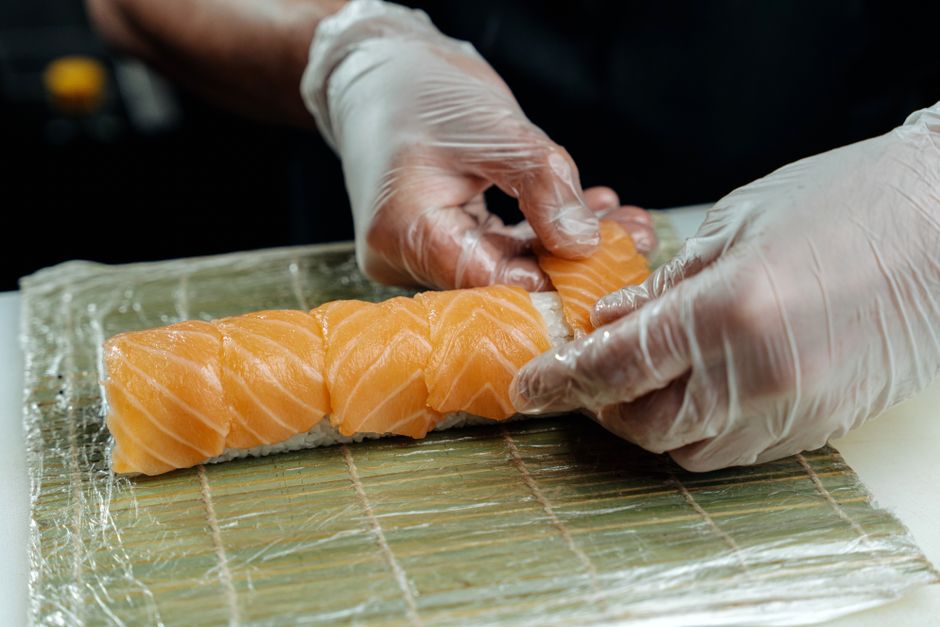
Sushi is best eaten the day it is made. If you must refrigerate it, eat it within 24 hours. After that, the risk of foodborne illness increases, and the texture and taste decline sharply. This guide covers how long different types of sushi last, how to store it safely, and what signs mean it is time to throw it out.
How Long Does Sushi Keep in the Fridge Before It Goes Bad?
The short answer is 24 hours for most sushi. This is not a suggestion. It is a safety limit based on how sushi is prepared.
Raw fish sushi, like nigiri or sashimi, should be eaten within 24 hours of refrigeration. The CDC and FDA both note that raw fish carries bacteria like Listeria and Vibrio. These can grow even in a cold fridge if given enough time.
Cooked sushi, like shrimp tempura rolls or California rolls with imitation crab, lasts a bit longer — up to 48 hours. But the rice is the real problem. Sushi rice is made with vinegar and sugar, which lowers its pH slightly. That slows bacterial growth but does not stop it. After 24 hours, the rice starts to dry out and harden. After 48 hours, it becomes stale and crumbly.
Vegetable rolls fall somewhere in between. The vegetables may hold up for 24 to 36 hours, but the rice will still degrade. No type of sushi improves with age.
How to Store Sushi in the Fridge the Right Way
Storing sushi poorly makes it go bad faster. Here is what actually works based on food safety guidelines from the USDA.
First, get the sushi into the fridge within two hours of purchase. Bacteria grow fastest between 40°F and 140°F. If you leave sushi on the counter for three hours, you have already given bacteria a head start.
Second, wrap it tightly. Plastic wrap pressed directly against the fish and rice prevents air exposure. Air dries out the rice and lets bacteria from the fridge contaminate the surface. If you have an airtight container, use that instead. Just make sure the lid seals completely.
Third, place sushi on the top shelf of the fridge, not the door. The door opens and closes, causing temperature swings. The top shelf stays coldest and most consistent. Set your fridge to 40°F or below. A fridge thermometer costs less than ten dollars and removes all guesswork.
Do not store sushi next to raw meat, poultry, or strong-smelling foods like onions or fish sauce. Sushi absorbs odors easily. The rice will taste like whatever is next to it.
Does Freezing Sushi Work as a Storage Option?
Freezing sushi is possible but not recommended for most types. The texture change is significant.
Raw fish that was previously frozen for sushi-grade purposes can be refrozen, but the quality drops. Ice crystals form inside the fish and rice, rupturing cell walls. When thawed, the rice becomes mushy and the fish turns watery and soft. It will not taste like fresh sushi.
Cooked sushi freezes slightly better. A shrimp tempura roll frozen for up to one month will still be edible after thawing, but the tempura coating will be soggy. The rice will also lose its structure.
If you must freeze sushi, wrap each piece individually in plastic wrap, then place all pieces in a freezer bag. Remove as much air as possible. Thaw in the fridge overnight, not on the counter.
The USDA states that freezing at 0°F stops bacterial growth but does not kill all bacteria. Once thawed, bacteria can reactivate. Eat frozen sushi within 24 hours of thawing.





How to Tell If Sushi Has Gone Bad
Your senses are reliable here. Do not rely on expiration dates alone.
Smell is the first sign. Fresh sushi smells like the ocean or has no smell at all. Bad sushi smells sour, fishy in an unpleasant way, or like ammonia. That ammonia smell means the fish is breaking down and unsafe to eat.
Look at the fish. Fresh raw fish is bright and translucent. If it looks dull, discolored, or has a milky film, throw it out. The rice should be white and slightly glossy. If the rice has yellowed, dried out, or developed a crust, it is past its prime.
Texture matters too. Fresh sushi rice holds together but separates easily. If the rice feels slimy or sticky in a way that seems off, bacteria may be growing. The fish should be firm, not mushy. Mushy raw fish is a clear sign of spoilage.
Taste is the last resort. If the sushi looks and smells fine but tastes sour, bitter, or just wrong, stop eating it. Do not finish the piece to be polite.
One common mistake is thinking sushi from a grocery store lasts longer because it was refrigerated sooner. That is not true. Grocery store sushi is often made early in the morning and sits in a refrigerated case all day. By the time you buy it, it may already be several hours old. The 24-hour clock starts when the sushi was made, not when you bought it.
What About Takeout Sushi Left Out Overnight?
This is the most dangerous scenario. Sushi left at room temperature for more than two hours must be thrown away. Overnight is not acceptable.
Bacteria like Staphylococcus aureus and Bacillus cereus grow rapidly on rice left at room temperature. These bacteria produce toxins that heat does not destroy. Reheating the sushi will not make it safe.
Some people think sushi rice is safe because of the vinegar. Vinegar does slow bacterial growth, but it does not stop it. After four hours at room temperature, the risk is real. After eight hours, it is high.
If you forgot sushi on the counter overnight, do not take a chance. The cost of food poisoning — vomiting, diarrhea, fever, dehydration — is far higher than the cost of ordering new sushi.
Does the Type of Sushi Change How Long It Lasts?
Yes. Different sushi ingredients have different shelf lives. Here is a breakdown.
| Sushi Type | Fridge Life (hours) | Key Risk |
|---|---|---|
| Raw fish nigiri | Up to 24 | Bacterial growth on fish |
| Sashimi (raw fish only) | Up to 24 | Bacterial growth on fish |
| Cooked rolls (shrimp, crab) | Up to 48 | Rice drying and bacteria |
| Vegetable rolls | 24 to 36 | Rice texture loss |
| Tempura rolls | Up to 24 | Soggy coating, bacteria |
| Cucumber or avocado rolls | 24 to 36 | Avocado browning, rice drying |
These are maximum times under ideal storage conditions. If the sushi was sitting out for an hour before you refrigerated it, subtract that time.
Common Misconceptions About Storing Sushi
One widespread myth is that sushi-grade fish lasts longer because it was frozen to kill parasites. Freezing kills parasites like Anisakis, but it does not kill bacteria. Bacteria can survive freezing and continue growing after thawing. Sushi-grade fish is safer from parasites but not from spoilage.
Another myth is that reheating sushi in the microwave makes it safe again. Microwaving kills some bacteria, but it does not eliminate toxins that bacteria have already produced. The toxins remain and can still make you sick. Plus, microwaved sushi rice turns into a gluey mess.
Some people believe that adding extra vinegar to the rice extends its fridge life. Vinegar does lower pH, which slows bacterial growth, but it does not stop it. Adding more vinegar changes the taste and still will not keep sushi safe past 24 hours.
A less common but dangerous myth is that sushi with wasabi or ginger lasts longer. Wasabi and ginger have mild antimicrobial properties, but not enough to preserve sushi. They are condiments, not preservatives.
What to Avoid When Storing Sushi
Do not store sushi in the original takeout container without wrapping it. Takeout containers are not airtight. Air gets in, bacteria get in, and the rice dries out.
Do not put sushi in the fridge while it is still warm. Warm sushi raises the temperature inside the fridge, putting other foods at risk. Let it cool on the counter for 10 to 15 minutes first, but no longer.
Do not stack heavy items on top of sushi containers. The pressure will crush the rice and fish, ruining the texture.
Do not store sushi with the soy sauce packet open. Soy sauce is salty but not sterile. It can introduce bacteria and also makes the rice soggy if it leaks.
Do not assume sushi from a high-end restaurant lasts longer than sushi from a grocery store. The ingredients may be fresher, but the spoilage timeline is the same. Freshness at purchase does not extend fridge life beyond 24 hours.
Frequently Asked Questions
Can I eat sushi after 3 days in the fridge?
No. By day three, bacterial levels are likely unsafe, and the rice will be dry and hard. Throw it out.
Does sushi last longer if I keep it in the coldest part of the fridge?
Yes. The top shelf near the back is coldest, but the 24-hour limit still applies. Cold slows bacteria but does not stop them.
Can I tell if sushi is bad by looking at it?
Often, yes. Dull or discolored fish, slimy rice, or a sour smell are clear signs. But some bacteria cause no visible change, so time limits matter more.
Is it safe to eat sushi that smells a little fishy?
No. Fresh sushi should not smell strongly fishy. A fishy or sour smell means spoilage has started. Do not eat it.
