
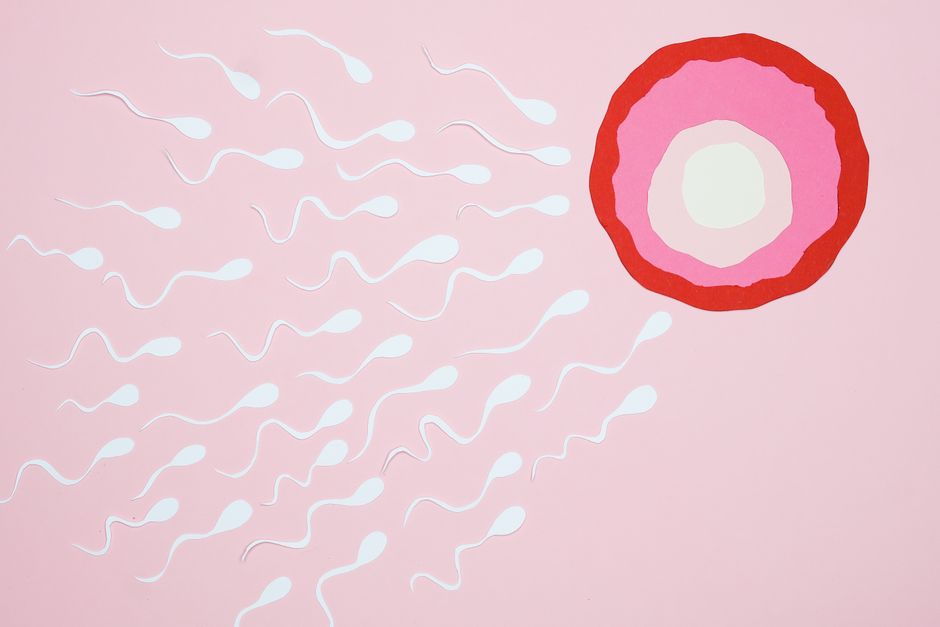
How long sperm lives inside a woman depends mostly on where it lands. In the vagina, sperm typically survive only a few hours because of the acidic environment. In fertile cervical mucus, some sperm can stay alive for up to five days. That five-day window is why pregnancy is possible from sex that happens several days before ovulation.
Sperm survival is not the same as sperm fertility. A sperm cell can be alive but no longer able to fertilize an egg. The fertile window matters most because it combines two timelines: how long sperm can survive and how long an egg can be fertilized after release.
How Long Does Sperm Live Inside Of A Woman?
The maximum is generally about five days, and only under the right conditions. That figure comes from cervical mucus that becomes thin, clear, and stretchy around ovulation. This type of mucus protects sperm and gives them a place to wait.
Outside that fertile mucus, survival drops fast. In the vagina, sperm usually die within hours. The vagina is acidic, and that acidity is hostile to sperm. Semen itself is slightly alkaline and buffers that acidity for a short time, but not for long.
Once sperm reach the cervix and enter fertile mucus, the picture changes. The mucus provides nutrients and a safe environment. From there, some sperm move into the fallopian tubes, where fertilization normally happens.
The five-day figure is a maximum, not a guarantee. Many sperm die much sooner. Sperm quality, the woman’s cervical mucus, and the timing of her cycle all affect how long any individual sperm cell survives.
Why Does Sperm Survival Depend on Ovulation Timing?
Cervical mucus changes across the menstrual cycle, and those changes decide how long sperm can last. After a period, mucus is often thick and sticky. It forms a barrier that sperm struggle to swim through. In this phase, sperm survival is short.
As ovulation approaches, rising estrogen changes the mucus. It becomes clear, wet, and stretchy, similar to raw egg white. This fertile mucus is more alkaline and easier for sperm to move through. It also shelters sperm from the vagina’s acidity.
After ovulation, progesterone rises and the mucus thickens again. The fertile window closes. Sperm that arrive after this point are unlikely to survive long enough to matter.
This is why the days leading up to ovulation are the most fertile. Sperm deposited then can wait in fertile mucus for the egg to be released. Sperm deposited after ovulation usually arrive too late.
How Long Does an Egg Live Compared to Sperm?
An egg lives far less time than sperm. After ovulation, an egg can typically be fertilized for only about 12 to 24 hours. If no sperm reaches it in that window, the egg breaks down and the chance for that cycle passes.
This difference shapes the fertile window. Sperm can wait for days. The egg cannot. That is why sex in the days before ovulation can lead to pregnancy, while sex a day or two after ovulation is much less likely to.
The combined fertile window — the days when pregnancy is possible — is generally about six days. It includes the five days before ovulation plus the day of ovulation itself. This is a widely used estimate in reproductive medicine, based on how long sperm survive and how long the egg remains viable.





What Affects How Long Sperm Survive?
Several factors influence sperm survival inside the body. None of them extend it beyond the roughly five-day maximum, but they can shorten it or affect how many sperm remain capable of fertilizing an egg.
- Cervical mucus quality. Fertile mucus supports sperm. Thick or hostile mucus shortens survival.
- Cycle timing. Survival is longest near ovulation, when mucus is most favorable.
- Sperm health. Sperm with poor motility or abnormal shape may not survive as long or swim effectively.
- Vaginal environment. The natural acidity of the vagina limits survival outside the cervix.
- Lubricants and products. Some lubricants and vaginal products can harm sperm. This varies by product.
Sperm health depends on many things, including temperature, hormones, and overall health. A fever, for example, can temporarily lower sperm quality. These effects are usually short-term.
Does Sperm Survive Longer in Some Parts of the Body?
Yes, and the location matters more than anything else. The vagina is the least hospitable. The cervix and fallopian tubes are far more protective when conditions are right.
In the fallopian tube, sperm can attach to the tube’s lining and wait. Some research suggests this waiting state helps sperm stay viable until an egg arrives. This is part of why the five-day window exists.
In the uterus, survival is generally shorter than in fertile cervical mucus. The uterine environment is not designed to store sperm for long periods. Sperm pass through the uterus quickly on their way to the fallopian tubes.
This is also why sperm deposited directly into the uterus during certain fertility treatments behave differently. In those procedures, sperm are prepared in a lab before being placed, so the natural barriers do not apply in the same way.
Can Sperm Survive After Oral or Anal Sex?
Sperm cannot travel from the mouth or rectum to fertilize an egg. Pregnancy requires sperm to reach an egg in the female reproductive tract through the vagina and cervix.
In the mouth, sperm are exposed to saliva and the oral environment. They do not survive long, and there is no pathway from the mouth to the reproductive tract that would allow fertilization.
In the rectum, sperm are exposed to a different environment and cannot reach the egg. Anal sex cannot cause pregnancy on its own. However, if semen leaks from the rectum toward the vaginal opening, there is a theoretical risk, though this is uncommon. Pregnancy after anal sex without vaginal contact is rare but has been reported.
What This Means for Pregnancy Timing
The five-day survival window is the reason “pulling out” and rhythm methods can fail. If sperm can wait several days, then sex well before ovulation can still lead to pregnancy. Many people underestimate this window.
For anyone trying to conceive, the practical takeaway is that the days before ovulation matter most. Tracking ovulation signs, such as changes in cervical mucus or using ovulation tests, can help identify that window. But no method of timing is perfect.
For anyone trying to avoid pregnancy, the same biology cuts the other way. Sperm survival means the fertile window is wider than many people assume. Barrier methods and other contraception work by blocking sperm from reaching the egg in the first place.
It is worth being clear about what the evidence does and does not show. The five-day maximum is well established in reproductive science. But individual results vary. Age, health, and fertility status all play a role. If you have specific questions about your own fertility or contraception, a healthcare provider is the right source.
Frequently Asked Questions
How long can sperm live inside a woman?
Sperm can survive up to about five days inside a woman, but only in fertile cervical mucus near ovulation. In the vagina, most sperm die within a few hours.
Can you get pregnant from sex 5 days before ovulation?
Yes, pregnancy is possible from sex up to about five days before ovulation because sperm can wait in fertile cervical mucus. The egg itself can only be fertilized for roughly 12 to 24 hours after release.
How long does sperm live in the vagina?
Sperm usually survive only a few hours in the vagina because of its acidic environment. Semen briefly buffers that acidity, but most sperm that do not reach the cervix die quickly.
Does sperm survive longer in cervical mucus?
Yes, fertile cervical mucus protects sperm and can keep some alive for up to five days. This mucus is thin and stretchy around ovulation and is far more hospitable than the vagina.
