
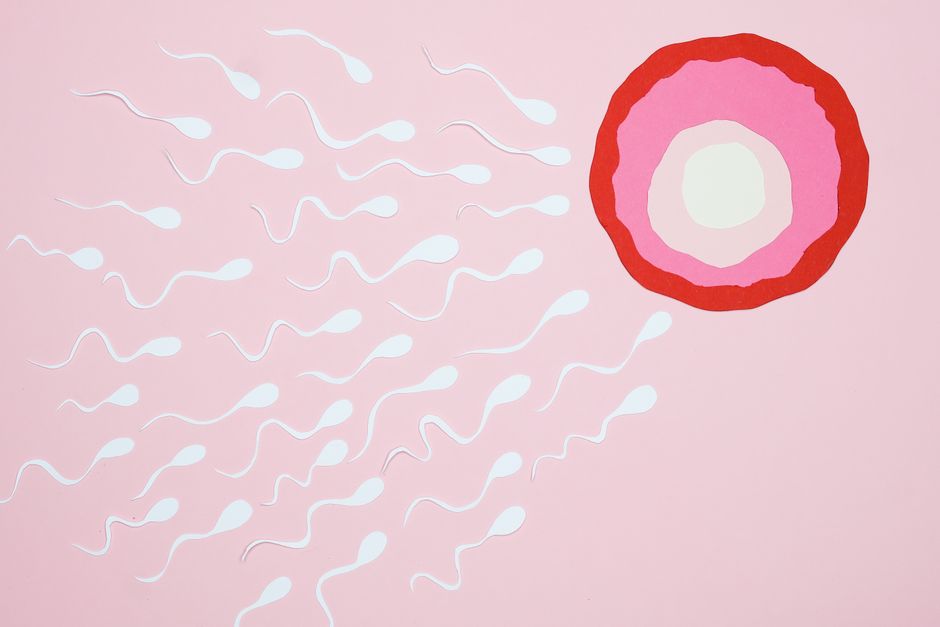
Sperm collected in a sterile cup usually stay alive for about one to two hours at room temperature. In a laboratory incubator kept near body temperature, that window stretches to several hours. How long they survive depends less on the cup itself and more on temperature, moisture, and how quickly the sample is handled.
The reason is simple. Once sperm leave the body, they are exposed to cooling, drying, and a shift in pH. A sterile container slows those changes but does not stop them. For anyone collecting a sample at home for a fertility test or a clinic, understanding this timeline matters. It affects how you store the cup and how fast you need to get it where it is going.
How Long Does Sperm Live In A Sterile Cup at Room Temperature?
At room temperature, most sperm in a collected sample lose motility within roughly one to two hours. Motility is the ability to swim, and it is the main thing a fertility lab measures. Some sperm may remain motile a little longer, and some die off sooner. There is no single cutoff that applies to every sample.
The sterile cup’s job is to keep the sample clean and prevent it from drying out. It is not a preservation device. It does not add nutrients or hold temperature steady. A plain sterile container simply gives the sperm a clean, moist place to sit while the sample is transported or processed.
Two forces work against the sperm during this time:
- Temperature drop. Sperm are produced and stored at a temperature slightly below core body temperature. When the sample cools toward room temperature, the sperm slow down and eventually stop moving.
- Chemical shift. Semen has a specific pH and mix of nutrients that support sperm. Once outside the body, that environment begins to change. The seminal fluid also starts to thicken and then liquefy, which affects how sperm move.
This is why clinics want samples delivered quickly. The clock starts the moment the sample is produced.
Does a Sterile Cup Keep Sperm Alive Longer Than Other Containers?
A sterile cup does not extend how long sperm live in any meaningful way. What it does is protect the sample from contamination and give the lab a clean specimen to work with. The sterility matters for the accuracy of the test, not for sperm survival time.
Using the wrong container can actually hurt the sample. Household containers, condoms, and some lubricants can damage or kill sperm. That is why clinics provide a specific cup and specific instructions. The container is designed to be clean and free of substances that interfere with sperm.
So the honest answer is this: the cup helps, but not by keeping sperm alive longer. It keeps the sample usable and uncontaminated. The survival time is set by biology and temperature, not by the container.
How Does Temperature Affect Sperm Survival?
Temperature is the single biggest factor in how long sperm survive outside the body. Sperm are sensitive to both heat and cold, and the rate at which a sample changes temperature matters as much as the final temperature.
Here is how the main conditions compare:
| Storage Condition | General Effect on Sperm |
|---|---|
| Body temperature (about 98.6°F / 37°C) | Sperm stay motile for several hours; this is close to their natural environment |
| Room temperature (about 68–72°F / 20–22°C) | Motility declines within roughly one to two hours |
| Refrigerator (about 39°F / 4°C) | Slows movement sharply; used only for specific lab protocols, not routine home storage |
| Freezing | Requires special preservatives and controlled freezing; plain freezing destroys sperm |
Note that the refrigerator row is not a home storage tip. Cooling a sample in a home fridge without the right handling can damage it. Labs use controlled methods for any cold storage. For a routine collection, keep the sample near body temperature and get it to the lab quickly.
Heat is worse than cold for sperm. Temperatures above body temperature can damage sperm faster than cooling does. This is one reason men are often advised to avoid prolonged heat exposure, such as hot tubs, when trying to conceive. The effect on a single collected sample, though, is mostly about how fast it cools or overheats during transport.




What Happens to Sperm After They Leave the Body?
Once sperm are outside the body, several changes happen at once. Understanding them explains why the survival window is measured in hours, not days.
Semen is produced as a thick gel and then liquefies within about 15 to 30 minutes. This liquefaction is normal and allows sperm to swim freely. If a sample does not liquefy, that can be a sign of a problem with the prostate or seminal vesicles, and labs note it.
At the same time, the sperm are using up the energy available in the seminal fluid. They are also exposed to oxygen and to changes in pH. The fluid around them becomes less supportive over time. Sperm that were swimming vigorously at first begin to slow, then stop.
Drying is the other major threat. Sperm need a moist environment. If a sample is left open to air, it dries out and the sperm die quickly. Keeping the cup closed, as clinics instruct, protects against this.
One detail worth knowing: sperm that have stopped moving are not necessarily dead. In a lab, a technician can sometimes tell the difference between immotile but living sperm and truly dead sperm using special stains. For a home collection, though, you cannot tell the difference by looking, and motility is what most basic tests measure.
Why Does Timing Matter for a Fertility Test?
Timing matters because the lab measures motility and other sperm qualities that change as the sample ages. A sample that sits too long can show lower motility than the same sample would have shown if tested sooner. That could lead to an inaccurate result.
This is why clinics give specific collection and delivery instructions. Common instructions include:
- Collect the sample at the clinic when possible, so it can be processed right away.
- If collecting at home, keep the sample near body temperature during transport. Some clinics suggest carrying it close to the body.
- Deliver the sample within the time window the clinic specifies, which is usually short.
- Do not refrigerate or freeze a home sample unless the lab specifically tells you to.
If a sample is delayed, the lab may still be able to test some aspects, but motility results become less reliable. When in doubt, follow the exact instructions from your clinic. They know their own processing timeline.
Can Sperm Live Longer Inside the Body Than in a Cup?
Yes, and by a wide margin. Inside the female reproductive tract, sperm can survive for several days under the right conditions. The cervical mucus and the environment of the reproductive tract protect and nourish sperm in ways a plastic cup cannot.
This is a key difference to understand. The sterile cup is a temporary holding container, not a life-support system. The body provides warmth, moisture, the right pH, and nutrients. A cup provides only a clean, closed space.
That gap explains why fertility guidance around timing intercourse is based on days, while guidance around a collected sample is based on hours. The two situations are not comparable.
What Shortens Sperm Survival in a Cup?
Several things can shorten how long sperm survive in a collected sample. Most of them come down to handling.
- Delay in delivery. The longer the sample sits, the more motility drops.
- Temperature extremes. Letting the sample get too cold or too hot speeds up decline.
- Drying out. An open or loosely closed cup lets moisture escape.
- Contamination. Soap residue, lubricants, or a non-sterile container can harm sperm.
- Long abstinence before collection. This affects sperm quality and count, though its effect on survival time in the cup is less direct.
The most common mistake is simply taking too long to get the sample to the lab. If you are collecting at home, plan the trip before you collect, not after.
Frequently Asked Questions
How long does sperm live in a sterile cup?
At room temperature, most sperm lose motility within about one to two hours. In a lab incubator near body temperature, they can stay motile for several hours.
Can sperm survive in a cup overnight?
No, not in a way that gives useful test results. By the next day, most sperm have stopped moving and the sample is no longer reliable for a standard motility test.
Should I refrigerate a sperm sample in a sterile cup?
No, not unless your clinic specifically tells you to. Routine home samples should be kept near body temperature and delivered within the time window your clinic gives you.
Does the sterile cup keep sperm alive longer?
No, the cup does not extend survival time. It keeps the sample clean and moist so the lab can test it accurately.
