
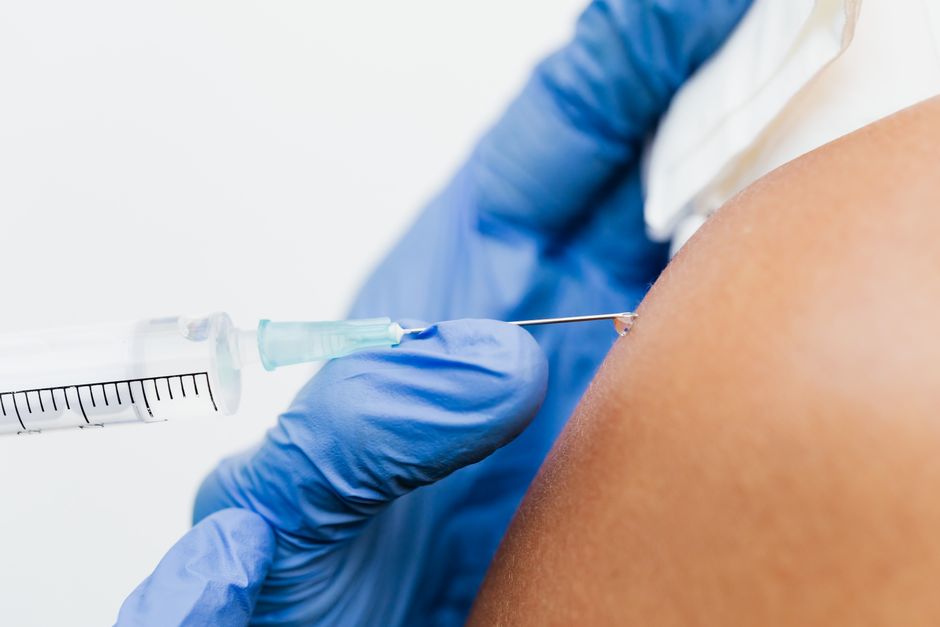
A rabies shot does not provide long-term protection like many other vaccines. The protection from a single dose of rabies vaccine is measured in months, not years, and the schedule matters more than the individual shot. For someone exposed to a potentially rabid animal, a full course of four doses given over two weeks is the standard protection. For someone at ongoing risk, such as a veterinarian, booster doses are needed every few years to keep antibody levels high enough. The answer depends entirely on whether you are getting the vaccine before or after an exposure.
How Long Does Rabies Injection Last After a Bite?
After a potential rabies exposure, the vaccine is given as part of a post-exposure prophylaxis (PEP) series. This is not a single injection. It is a course of four doses for most people, given on day 0, day 3, day 7, and day 14. People with weakened immune systems receive a fifth dose on day 28.
The protection from this series is not permanent. Studies show that antibody levels remain protective for a limited time after the series is complete. Most clinical guidance indicates that the immune response from the full PEP series provides adequate protection for the immediate exposure, but it does not confer lasting immunity. If you are exposed to rabies again months or years later, you will need a new series.
Some clinicians recommend a booster if a person is re-exposed within a certain window after the initial series. The evidence for this practice comes from antibody studies, not large human trials. The safest approach is to seek medical evaluation for any new potential exposure, regardless of when your last series was completed.
How Long Does Pre-Exposure Rabies Vaccination Last?
Pre-exposure prophylaxis (PrEP) is given to people at high risk of rabies exposure, such as laboratory workers, veterinarians, and travelers to regions where rabies is common. This series is three doses, given on day 0, day 7, and day 21 or 28.
Unlike the post-exposure series, pre-exposure vaccination is designed to prime the immune system, not to provide immediate protection. The antibodies it produces decline over time. For people at continued risk, booster doses are recommended at regular intervals.
The interval between boosters depends on the level of risk. People with continuous exposure risk, such as rabies researchers, may need antibody titers checked every six months to two years. People with less frequent exposure, such as travelers, may only need a booster every one to ten years, depending on their destination and activities. No single duration applies to everyone. Your clinician can determine the appropriate schedule based on your specific risk.
What Is the Difference Between the Rabies Vaccine and Rabies Immunoglobulin?
Rabies immunoglobulin (RIG) is not a vaccine. It is a preparation of antibodies that provides immediate, temporary protection. It is given once, at the time of the first vaccine dose, to people who have never been vaccinated against rabies.
The immunoglobulin provides passive immunity that lasts only a few weeks. It bridges the gap while the vaccine stimulates your own immune system to produce antibodies. The vaccine itself takes about seven to ten days to generate a meaningful antibody response. Without the immunoglobulin, that gap leaves you vulnerable to the virus.
People who have completed a pre-exposure series do not need immunoglobulin after a bite. Their immune system responds quickly enough to the booster doses. This is one reason pre-exposure vaccination is recommended for high-risk groups. It simplifies post-exposure treatment and eliminates the need for immunoglobulin, which can be difficult to obtain in some regions.





Why Does Rabies Vaccination Require Multiple Doses?
The rabies vaccine is an inactivated vaccine, meaning it contains killed virus particles. Inactivated vaccines generally require multiple doses to produce a strong and durable immune response. A single dose of rabies vaccine produces a weak antibody response that is not reliably protective.
The multiple-dose schedule is based on decades of clinical data. Each dose amplifies the immune response, pushing antibody levels higher and more durable. The day 0 and day 3 doses begin the response. The day 7 dose significantly boosts antibody production. The day 14 dose ensures the response is sustained.
Skipping doses or delaying the schedule reduces the effectiveness of the series. The timing is not arbitrary. Each interval was established through clinical research and is designed to maximize the immune response. If you miss a dose, contact your clinician immediately to reschedule. Do not restart the series unless instructed to do so.
How Often Do You Need a Rabies Booster?
For people at ongoing risk of rabies exposure, booster intervals are determined by antibody testing or by a fixed schedule based on risk level. There is no universal answer because risk varies by occupation and location.
For continuous risk, such as rabies research laboratory workers, antibody titers should be checked every six months. A booster is given if the titer falls below the protective threshold. For frequent risk, such as veterinarians in rabies-endemic areas, titers may be checked every one to two years.
For infrequent risk, such as most travelers, a booster every one to ten years is generally sufficient. The exact interval depends on the destination, the activities planned, and the availability of medical care at the destination. Some travelers to remote areas with high rabies risk may choose a booster if their last dose was more than one year ago.
No clinical guidelines currently exist for a one-size-fits-all booster schedule. Your clinician should assess your specific risk and recommend an appropriate interval. If you are unsure whether you need a booster, ask your doctor before traveling or before engaging in high-risk activities.
Does the Rabies Vaccine Provide Lifetime Immunity?
No. The rabies vaccine does not provide lifetime immunity. Antibody levels decline measurably over time, and the duration of protection depends on the type of vaccination series and individual immune response.
Some research suggests that immune memory persists for years after vaccination, meaning the body can mount a rapid response upon re-exposure. However, this memory response is not the same as having protective antibody levels circulating at all times. For post-exposure situations, you need circulating antibodies quickly. Relying on immune memory alone is not considered safe.
This is why booster doses are recommended for people at continued risk. The booster rapidly raises antibody levels, restoring protection. The interval between boosters is determined by measuring antibody titers or by following risk-based schedules.
What Happens If You Delay a Rabies Vaccine Dose?
Delaying a dose of the rabies vaccine series can reduce the effectiveness of the series. The schedule is designed to produce an optimal immune response, and deviations from it may leave you inadequately protected.
If you miss a scheduled dose, contact your clinician immediately. In most cases, you will receive the missed dose as soon as possible, and the remaining doses will be adjusted accordingly. The series does not need to be restarted unless a significant amount of time has passed.
The post-exposure series should begin as soon as possible after a potential exposure. Rabies is nearly always fatal once symptoms appear, so timing is critical. Do not wait to seek medical care after a potential exposure, even if the animal appears healthy.
Can You Get Rabies Even After Vaccination?
Rabies is preventable when the vaccine series is completed correctly and on time. However, no vaccine is 100 percent effective. A small number of cases have occurred in people who received post-exposure prophylaxis, but these are extremely rare.
Most vaccine failures are attributed to delayed initiation of the series, incomplete dosing, or failure to receive rabies immunoglobulin when indicated. Wound care is also critical. Thorough washing of the wound with soap and water immediately after exposure reduces the viral load and improves the effectiveness of the vaccine.
If you complete the full series on schedule, your risk of developing rabies is extremely low. The vaccine is one of the most effective post-exposure treatments in medicine. But it only works if you receive it promptly and complete the entire course.
Frequently Asked Questions
How long does a rabies shot protect you after a bite?
A full post-exposure series protects you for the immediate exposure but does not provide lasting immunity. If you are exposed again in the future, you will need a new series.
Do I need a rabies booster every year?
Only if you are at continuous high risk, such as a rabies laboratory worker. Most people at routine risk need a booster every one to ten years, depending on their specific situation.
Can I get rabies if I delay my second dose?
Delaying a dose reduces the effectiveness of the series, but the series does not automatically need to be restarted. Contact your clinician immediately to reschedule the missed dose.
Is rabies immunoglobulin the same as the rabies vaccine?
No. Rabies immunoglobulin provides immediate, temporary antibodies that last only a few weeks. The vaccine stimulates your own immune system to produce longer-lasting protection.
