
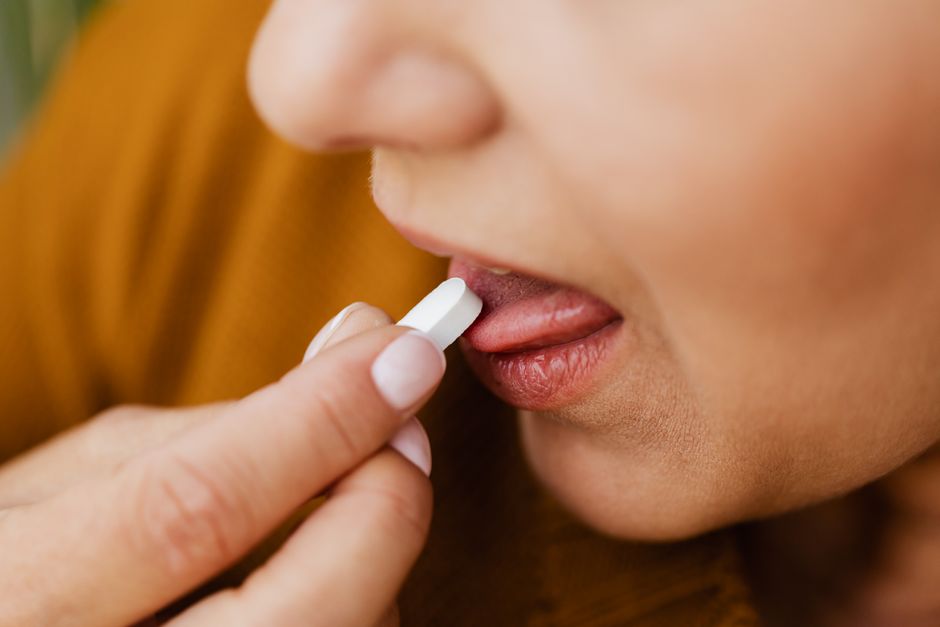
Prednisolone starts reducing inflammation within hours, but how fast you feel it depends on what is inflamed and how you take it. When taken as a single dose, the drug reaches its peak level in the blood in roughly one to two hours. Measurable anti-inflammatory effects begin soon after that. Relief from symptoms, though, is a different clock — some conditions improve in a day or two, while others take several days to a week or more to respond.
That gap between what the drug is doing in your bloodstream and what you actually feel is the part most people misunderstand. Prednisolone does not work like a painkiller that switches off a symptom in 30 minutes. It changes how immune cells behave, and that process takes time to translate into less swelling, less pain, or easier breathing.
How Long Does Prednisolone Take To Work For Inflammation?
Inflammation is not one thing. It is a broad label for a set of immune reactions, and prednisolone acts on those reactions at the level of the cell. That is why the timeline varies so much from person to person and condition to condition.
Prednisolone belongs to a group of medicines called corticosteroids. It is a synthetic version of cortisol, a hormone your body already makes. When you take a dose, it is absorbed from the gut, travels through the blood, and enters cells throughout the body. Inside those cells, it binds to a receptor and changes which genes are switched on and off. The result is a broad dampening of immune activity.
This is not a subtle mechanism. It affects the production of many inflammatory chemicals at once, which is why steroids are used across such a wide range of conditions — from asthma and arthritis to allergic reactions and inflammatory bowel disease.
Here is the practical breakdown of timing:
- Drug in the blood: peak levels within about 1 to 2 hours of an oral dose.
- Anti-inflammatory activity begins: within hours at the cellular level.
- Symptom relief: often within 1 to 2 days for responsive conditions, but can take several days to a week or longer for others.
Those symptom timelines are general patterns, not guarantees. The evidence for exactly how fast a given condition responds is often limited, and response varies widely between individuals.
Why Does It Take Time to Feel the Effect?
Because prednisolone works by changing gene activity inside cells, not by blocking a signal in seconds. That is the core reason for the delay.
When prednisolone enters a cell, it binds to a receptor protein. That pair then moves into the cell’s nucleus and attaches to DNA. From there, it alters the instructions the cell follows. Some inflammatory proteins get turned down. Others get turned up.
This process — sometimes called a genomic effect — takes time. It is measured in hours, not minutes. The drug also has faster, non-genomic effects that occur at higher doses, but the main anti-inflammatory action is the slower gene-based one.
Think of it this way. A painkiller like ibuprofen blocks an enzyme that makes pain and inflammation signals, and that happens quickly. Prednisolone instead changes the factory’s instructions. The output shifts, but not instantly.
This is also why stopping prednisolone abruptly after long use can cause problems. The body has adjusted to the drug’s presence, and it needs time to resume its own cortisol production. That is a separate issue from how fast it starts working, but it matters for anyone on a longer course.
Does the Condition Change How Fast It Works?
Yes, and this is often the biggest factor. The same drug at the same dose can produce relief in one condition within a day and take much longer in another.
Conditions where inflammation is driven heavily by the pathways prednisolone targets tend to respond faster. Conditions where the inflammation is more structural, chronic, or driven by other mechanisms may respond more slowly or only partially.
Some general patterns, stated cautiously:
- Allergic reactions and asthma flares: often improve within hours to a day or two.
- Rheumatoid arthritis and similar joint conditions: frequently improve over days, with fuller benefit taking longer.
- Inflammatory bowel disease flares: often respond over days to a couple of weeks.
- Certain skin and autoimmune conditions: response varies widely and can take weeks.
These are broad ranges, not fixed rules. Individual response depends on dose, the severity of the flare, how long the condition has been active, and factors that are not fully understood.





Does the Dose or Form of Prednisolone Matter?
Dose affects how strongly the drug acts, but the timing of the onset is more about how it is taken and how your body handles it.
Prednisolone comes in several forms. Tablets and liquid are swallowed and absorbed through the gut. Injected forms — given into a vein or a muscle — bypass the gut and reach the bloodstream faster. That matters most in situations where a rapid effect is needed, such as a severe asthma attack or a serious allergic reaction.
For oral prednisolone, food in the stomach can slightly slow absorption, but the difference is usually minor. Taking it with food is often recommended to reduce stomach upset, not to change how well it works.
Higher doses do not simply make it work proportionally faster. The relationship between dose and speed of relief is not straightforward, and the right dose depends on the condition and the person. This is a decision for a clinician, not something to adjust on your own.
What If It Does Not Seem to Be Working?
If there is no improvement after a reasonable trial, the honest answer is that the cause needs to be reconsidered rather than the dose simply increased.
Several things can explain a poor response:
- The inflammation may not be the type prednisolone targets well.
- The dose may be too low for the severity of the flare.
- There may be a different underlying diagnosis.
- The condition may be one that is known to be steroid-resistant.
Timelines for “when to worry” are not standardized across conditions. What counts as a reasonable trial for one disease may be too short or too long for another. This is genuinely a case where the treating clinician’s judgment matters more than any general rule.
It is also worth knowing that prednisolone is not a cure. It reduces inflammation while it is taken. If the underlying cause is still active, symptoms can return when the drug is stopped or the dose is lowered.
What Are the Risks of Taking Prednisolone?
Prednisolone is effective, but it is not a low-risk drug, especially with longer use or higher doses. The evidence on its risks is well established.
Short courses are generally tolerated better than long ones. Even short courses can cause sleep problems, increased appetite, mood changes, and raised blood sugar. Longer use carries more serious risks, including:
- Increased risk of infection, because the immune system is dampened.
- Bone thinning (osteoporosis) with prolonged use.
- Weight gain and fluid retention.
- Raised blood pressure and blood sugar.
- Eye problems such as cataracts and glaucoma.
- Suppression of the body’s own cortisol production.
Because of these risks, prednisolone is usually used at the lowest dose that controls symptoms and for the shortest time that is appropriate. That balance is a clinical decision. Do not stop a longer course suddenly without medical advice, because the body may not have resumed making its own cortisol.
Anyone with diabetes, high blood pressure, a history of stomach ulcers, or a current infection should discuss these with their prescriber, since steroids can affect all of them.
How Does Prednisolone Compare to Other Anti-Inflammatories?
Prednisolone is far more powerful than over-the-counter anti-inflammatories, but it also carries more risk. They are not interchangeable.
| Type | Examples | Typical onset | Main use |
|---|---|---|---|
| Corticosteroid | Prednisolone | Hours to days | Broad, strong immune suppression |
| NSAID | Ibuprofen, naproxen | Often under an hour for pain | Mild to moderate pain and inflammation |
| Biologic | Various injectable drugs | Days to weeks | Targeted immune conditions |
The onset times in this table are general patterns. NSAIDs act faster on pain because they block a specific enzyme quickly. Prednisolone acts more broadly but more slowly, and its effects build. Biologics target specific immune pathways and often take longer to show benefit.
Which one is appropriate depends on the condition, its severity, and the person’s overall health. These are not choices to make without medical guidance.
Frequently Asked Questions
How long does prednisolone take to work for inflammation?
Prednisolone reaches peak levels in the blood within about 1 to 2 hours, and anti-inflammatory effects begin within hours at the cellular level. Noticeable symptom relief often comes within 1 to 2 days for responsive conditions, but can take a week or longer for others.
Can prednisolone work in a few hours?
It can begin reducing inflammation within hours, especially with injected forms or in conditions like severe allergic reactions. Feeling clear symptom relief that fast is possible in some cases but not typical for most conditions.
Why is prednisolone not working after a few days?
Some conditions simply take longer to respond, and a few are steroid-resistant. If there is no improvement after a reasonable trial, the cause or dose may need to be reassessed by a clinician rather than adjusted on your own.
Should I stop prednisolone if it is not working quickly?
No. Do not stop a prescribed course on your own, especially if you have taken it for more than a few days, because the body may need time to resume its own cortisol production. Talk to your prescriber first.
