
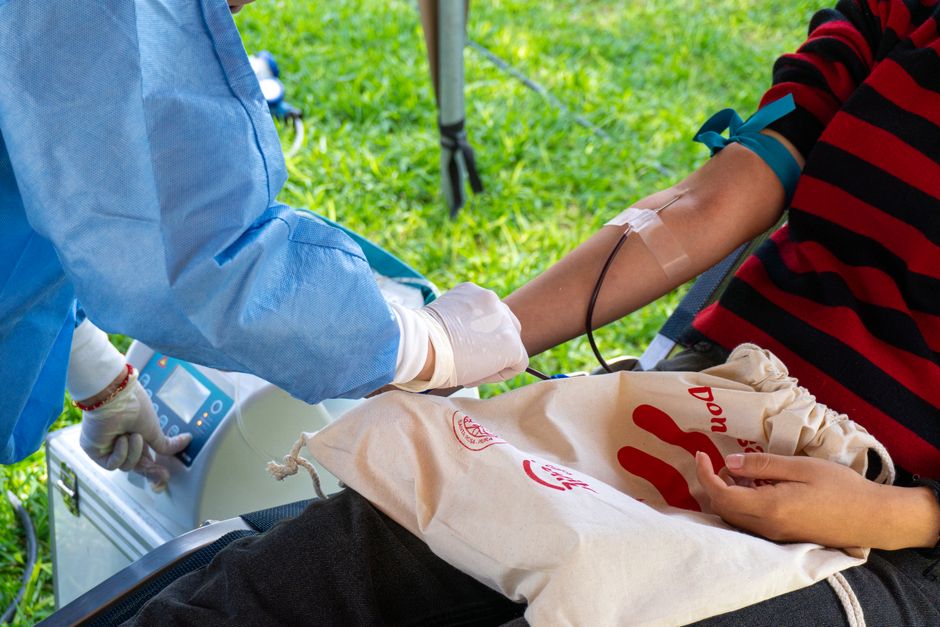
Plasma donation takes about 90 minutes from start to finish for most people. The actual blood draw and plasma collection portion lasts roughly 40 to 50 minutes. The remaining time covers registration, a health screening, and a short recovery period after the needle is removed.
What Happens During a Plasma Donation Visit?
Your first visit takes longer than return visits. New donors should plan for up to two hours because you must complete a thorough medical history review and a physical exam. Return visits typically run closer to 90 minutes total.
Here is how the time breaks down for a typical return visit:
- Check-in and registration: 10 to 15 minutes
- Screening questions and vital signs: 10 to 15 minutes
- Plasma collection: 40 to 50 minutes
- Recovery and snack: 10 to 15 minutes
Plasma centers are busy places. Wait times vary depending on the time of day and how many donors are ahead of you. Weekday mornings are often quieter than weekday evenings or weekends.
Why Does the Plasma Collection Process Take 40 to 50 Minutes?
Plasma donation uses a machine called a plasmapheresis device. The machine draws your whole blood, separates the plasma from the red blood cells, and returns the red cells to your body. This cycle repeats several times during a single donation.
Each cycle takes a few minutes. Most centers complete several cycles to collect the target plasma volume. The number of cycles depends on your weight, hydration level, and the specific machine the center uses.
Your red blood cells are returned to you during the process. This is why plasma donation takes longer than whole blood donation. A whole blood donation takes about 10 minutes of actual collection time because the blood is simply drawn into a bag. Plasma donation is a slower, more involved process because your body gets its red cells back in stages.
How Often Can You Donate Plasma?
Federal regulations limit how frequently you can donate plasma. In the United States, you may donate plasma up to twice within any seven-day period. Most centers require at least 48 hours between donations.
This schedule exists for a reason. Your body needs time to replace the plasma proteins, antibodies, and other components removed during donation. Plasma protein levels typically return to normal within 24 to 48 hours after donation.
Regular donors often visit once or twice per week. The exact schedule depends on the center’s policies and your personal recovery. Some donors feel fine donating twice a week for months at a time. Others find that once a week works better for their bodies.




What Affects How Long Plasma Donation Takes?
Several factors can make your donation run longer or shorter than average.
Hydration is one of the biggest factors. Well-hydrated donors have better blood flow, which means the machine can collect plasma faster. Dehydrated donors may find their donation takes longer because the machine detects slower flow and adjusts accordingly.
Vein quality matters too. Donors with larger, more visible veins often have smoother donations. If the machine has trouble maintaining flow, the process can slow down or occasionally need to be restarted.
Your body weight influences how much plasma the center collects. Heavier donors typically have larger plasma volumes, so their donation may take slightly longer to reach the target amount.
The center’s equipment also plays a role. Newer machines sometimes process plasma faster than older models. Different centers use different manufacturers’ equipment, so your experience may vary slightly from one center to another.
Can You Do Anything to Make Plasma Donation Faster?
Yes. The most effective step is drinking plenty of water before your appointment. Centers generally recommend drinking extra fluids in the 24 hours before donation. Being well-hydrated improves blood flow and can shorten collection time.
Eating a balanced meal before you arrive also helps. Donating on an empty stomach can cause lightheadedness, which may slow down the process if you need extra recovery time afterward.
Avoid alcohol for at least 24 hours before donating. Alcohol dehydrates you and can affect how your body responds to the donation.
Get a good night’s sleep before your appointment. Fatigue can make the donation feel harder and may prolong your recovery period.
One common mistake donors make is arriving without proper identification or with outdated information on file. Bring your donor ID card, a government-issued photo ID, and proof of address if required. Having your paperwork ready saves time at check-in.
What Happens After the Needle Comes Out?
Once the machine finishes collecting your plasma, the staff removes the needle and applies pressure to the site. You will be asked to stay seated for a few minutes before standing up slowly.
Most centers offer a snack and something to drink during this recovery period. This is not just a courtesy. Eating and drinking shortly after donation helps prevent dizziness and helps your body begin replacing fluids.
You can usually leave the center immediately after this short recovery period. Most people feel fine and can return to normal activities. Heavy exercise and strenuous lifting are best avoided for a few hours after donation.
Are There Risks or Side Effects to Know About?
Plasma donation is generally safe for healthy adults. The most common side effects are bruising at the needle site, dizziness, and feeling tired afterward. These usually resolve within a day.
Some donors experience a tingling sensation around their lips or fingers during donation. This happens because the anticoagulant used to keep your blood from clotting during the process can temporarily lower calcium levels. Centers monitor for this and can slow the machine or give you a calcium supplement if it occurs.
Serious complications are rare but possible. These include nerve irritation, infection at the needle site, or an adverse reaction to the anticoagulant. Staff at plasma centers are trained to recognize and respond to these situations.
No clinical evidence suggests that regular plasma donation causes long-term health problems in healthy donors who follow the recommended donation schedule. However, the research on very frequent, long-term donation is limited. Some studies indicate that chronic plasma donors may have lower protein levels, but the clinical significance of this finding is not fully established.
Do You Get Paid for Plasma Donation?
Unlike whole blood donation, plasma donation in the United States typically includes compensation. Payment varies by center and location. Many centers offer between $30 and $60 per donation, with some paying more for new donors or during promotional periods.
Compensation exists because plasma donation takes more time than whole blood donation and requires a commitment to regular visits. The plasma collected is used to manufacture therapies for people with immune disorders, bleeding conditions, and other medical needs.
Some donors earn several hundred dollars per month by donating twice weekly. The exact amount depends on the center’s pay structure and any bonuses offered for consistent attendance.
Who Cannot Donate Plasma?
Plasma centers follow federal eligibility requirements. You must be at least 18 years old and weigh at least 110 pounds. You must test negative for certain infectious diseases, including HIV, hepatitis B, and hepatitis C.
Some medical conditions disqualify people from donating. These include certain heart conditions, bleeding disorders, and active infections. Pregnancy and recent childbirth also temporarily disqualify donors.
Certain medications can affect eligibility. Blood thinners, for example, typically prevent donation. The center will review your medication list during screening.
Your travel history matters too. Travel to areas with certain disease risks may require a waiting period before you can donate. This is why the screening questions ask about recent travel.
Frequently Asked Questions
Can I donate plasma if I am afraid of needles?
Many plasma donors are initially nervous about needles. The staff are experienced at helping first-time donors, and most people find the process less uncomfortable than they expected.
Will plasma donation make me tired afterward?
Some people feel tired after donation, but many do not. Eating a meal and drinking fluids after your donation helps reduce fatigue.
How long do I need to wait between plasma donations?
You can donate up to twice in a seven-day period with at least 48 hours between donations. This is the federal limit in the United States.
Does donating plasma hurt?
You will feel a brief pinch when the needle goes in. After that, most donors feel no pain during the collection process.
