
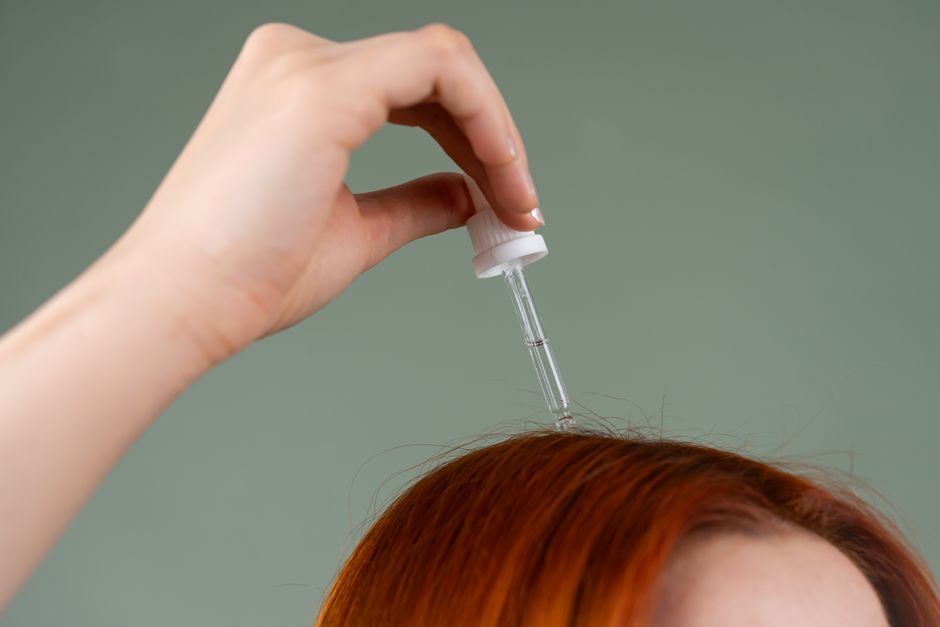
An itchy scalp after dyeing your hair usually settles within a few days if it is a mild irritation. Most people notice it easing within 24 to 72 hours. If the itch is intense, spreading, or comes with swelling, blistering, or a rash, it is not simple irritation and can last longer without treatment.
How Long Does Itchy Scalp From Hair Dye Last?
For most people, the answer depends on what is actually causing the itch. There are two very different reactions, and they have very different timelines.
The first is irritant contact dermatitis. This is a direct chemical burn or irritation from the dye. It is not an allergy. It tends to start during or shortly after the dye is applied and fades as the skin recovers, often within a few days.
The second is allergic contact dermatitis. This is an immune reaction, and it behaves differently. It often shows up 24 to 48 hours after exposure, sometimes later. It can worsen over several days and may take one to two weeks or longer to clear, especially without medical treatment.
So a mild itch that fades by tomorrow is usually irritation. An itch that is getting worse on day two or three is more concerning and points toward allergy.
What Causes the Itch After Hair Dye?
Hair dye contains chemicals that can irritate skin or trigger an immune response. The most common culprit in permanent dyes is a group of ingredients called paraphenylenediamine, often listed as PPD. It is also known as phenylenediamine or PPD.
PPD is effective at creating long-lasting color, which is exactly why it is so widely used. It is also a well-documented cause of allergic contact dermatitis. This is not a rare reaction. It is one of the more common causes of scalp allergy seen in dermatology clinics.
Other ingredients can also irritate the scalp, including ammonia, hydrogen peroxide, and the alkalizing agents that open the hair cuticle. These tend to cause irritation rather than true allergy.
The key difference matters. Irritation is a direct chemical effect on skin. Allergy is your immune system reacting to a specific substance. Irritation does not get worse with each exposure. Allergy often does.
Irritation vs. Allergy: How to Tell Them Apart
The timing and the pattern of symptoms are your best clues. Neither is a diagnosis you can make with certainty on your own, but the differences are usually clear enough to guide what you do next.
- Irritant reaction: starts during or soon after application, stays mostly where the dye touched the skin, feels like burning or stinging, and improves over a few days.
- Allergic reaction: often starts 24 to 48 hours later, can spread beyond the scalp to the face, ears, or neck, and tends to get worse before it gets better.
Swelling of the face or eyelids, blisters, oozing, or a rash that spreads down the neck are signs of a true allergic reaction. These need medical attention rather than waiting it out.
One important point: a person can dye their hair for years with no problem and then suddenly react. Sensitization can build over repeated exposures. A reaction the tenth time is not unusual, and it does not mean the earlier times were safe.




What Helps an Itchy Scalp After Dyeing?
For mild irritation, the main goal is to stop the exposure and let the skin recover. Rinse the dye out thoroughly with lukewarm water. Avoid hot water, which can worsen irritation.
Wash gently with a mild, fragrance-free shampoo. Skip products with added fragrance, essential oils, or strong actives until the scalp settles. These can add to the irritation.
A cool compress can calm itching. Some people find relief from an over-the-counter oral antihistamine, though these work better for allergy-related itching than for direct chemical irritation.
If the itch is significant or you suspect allergy, see a doctor. A clinician may recommend a topical corticosteroid to reduce inflammation. For stronger reactions, prescription treatment may be needed. Do not apply strong steroid creams to the scalp or face without medical guidance.
Do not re-dye your hair while the scalp is still reacting. A second exposure can make an allergic reaction worse, sometimes much worse.
When Should You See a Doctor?
Seek medical care if any of the following apply:
- Swelling of the face, lips, eyelids, or throat
- Blistering, oozing, or open sores on the scalp
- A rash that spreads to the face, neck, or beyond the hairline
- Intense pain or burning that does not improve
- Symptoms that are getting worse after 48 hours
- Signs of infection, such as pus, warmth, or fever
Swelling of the throat or difficulty breathing is a medical emergency. Call 911. Severe allergic reactions to hair dye are uncommon, but they can happen and can be serious.
For reactions that are not emergencies, a dermatologist can help identify the trigger. Patch testing can confirm which specific ingredient is responsible. This matters because once you are sensitized to PPD, future exposure can trigger a faster and stronger reaction.
Can You Prevent a Reaction Next Time?
If you have reacted to hair dye, the safest step is to avoid permanent dyes that contain PPD. This is not a guarantee of safety, but it removes the most common trigger.
If you have never reacted, a patch test before each use is still worth doing. Mix a small amount of dye and apply it to a small area of skin, such as behind the ear or the inner elbow. Wait 48 hours. If there is no reaction, proceed. This is the standard recommendation from dye manufacturers and is a reasonable precaution, though it cannot catch every possible reaction.
Some people turn to “natural” or henna-based dyes. Be careful here. Some products marketed as natural still contain PPD or related compounds. Read the ingredient list rather than trusting the label.
There is no reliable way to make your immune system stop reacting to a substance it has already learned to recognize. Once sensitized, avoidance is the main strategy.
Does the Type of Dye Matter?
Yes, to some degree. Permanent dyes generally carry the highest risk because they contain PPD and other strong chemicals that penetrate the hair shaft and contact the scalp.
Semi-permanent and temporary dyes tend to be gentler, but they are not risk-free. Some still contain ingredients that can cause allergy or irritation in sensitive people.
The application method also matters. Dye that sits on the scalp for a long time, or that is applied to broken or irritated skin, is more likely to cause a problem. Following the manufacturer’s timing matters more than most people realize.
How Common Are Hair Dye Reactions?
Allergic contact dermatitis from hair dye is a recognized and fairly common problem in dermatology. PPD is among the more frequently identified allergens in patch testing studies of people with scalp or facial dermatitis.
That said, most people who dye their hair do not have a reaction. The reactions that do occur range from mild and short-lived to severe and long-lasting. The wide range is exactly why the timeline question does not have a single answer.
If you are unsure whether your symptoms are irritation or allergy, it is worth getting checked. The distinction changes how long the problem lasts and what you should do about it.
Frequently Asked Questions
How long does an itchy scalp from hair dye usually last?
Mild irritation typically eases within 24 to 72 hours. An allergic reaction can last one to two weeks or longer and often needs treatment.
Does an itchy scalp after hair dye mean I am allergic?
Not always. A mild itch that fades quickly is more likely simple irritation. An itch that starts a day or two later and gets worse is more consistent with allergy.
Can I dye my hair again if my scalp itched last time?
It is safer not to re-dye while symptoms are present or if you suspect an allergy. Repeated exposure can trigger a stronger reaction, so check with a doctor first.
When should I worry about a reaction to hair dye?
See a doctor if you have swelling, blisters, spreading rash, or symptoms that worsen after 48 hours. Facial or throat swelling is an emergency — call 911.
