
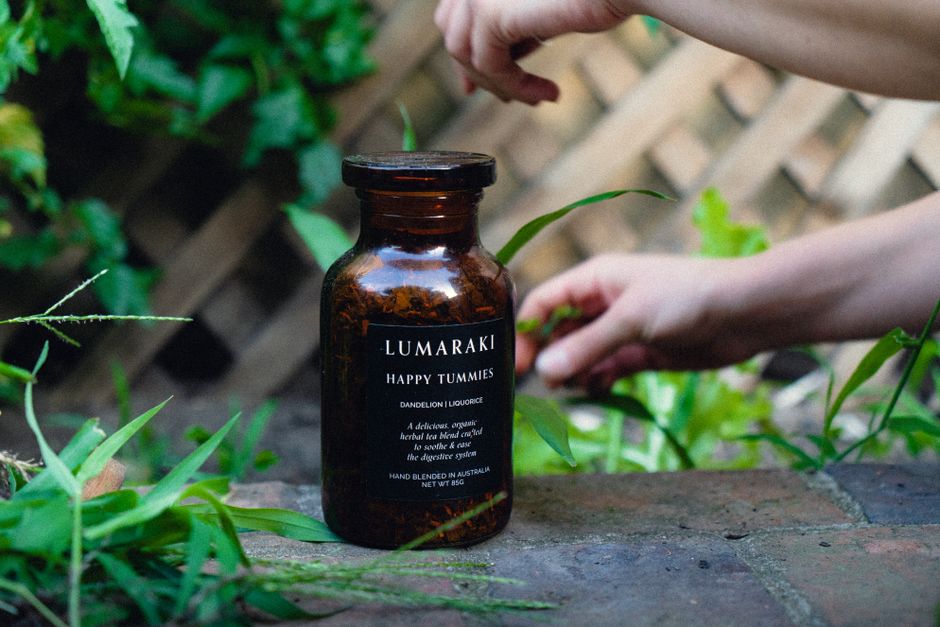
Healing your gut lining is not an overnight process. Most people who commit to dietary changes and stress management see meaningful improvement within 4 to 12 weeks. Some people notice changes sooner, while others need several months, especially if the underlying cause is not fully addressed. The timeline depends heavily on what triggered the problem in the first place and how consistently you follow your plan.
What Is Leaky Gut Syndrome?
Leaky gut is the common name for increased intestinal permeability. The lining of your intestines is a single layer of cells held together by tight junctions. These junctions act like gates, controlling what passes into your bloodstream.
When these gates loosen, larger particles can slip through. This includes partially digested food, bacteria, and toxins. Your immune system sees these as threats and responds with inflammation. This is not a made-up condition, but it is also not a formal medical diagnosis. Many doctors recognize the concept while noting that more research is needed on how it connects to specific diseases.
What Causes Increased Intestinal Permeability?
Several factors can loosen the tight junctions in your gut lining. Knowing your trigger matters because healing requires removing the cause, not just treating symptoms.
- Chronic stress — Stress hormones can directly affect the gut barrier.
- Poor diet — Highly processed foods, excess sugar, and alcohol can irritate the lining.
- Certain medications — Nonsteroidal anti-inflammatory drugs (NSAIDs) like ibuprofen are known to increase permeability.
- Imbalanced gut bacteria — An overgrowth of harmful bacteria can damage the intestinal wall.
- Food sensitivities — Ongoing reactions to foods like gluten or dairy can keep inflammation active.
Some research also points to genetic factors. Not everyone who eats a poor diet develops leaky gut, which suggests some people are simply more susceptible.
How Long Does It Take To Heal Leaky Gut?
The short answer is 4 to 12 weeks for most people. This estimate comes from clinical observations and studies on specific interventions that reduce intestinal permeability.
One key factor is your starting point. Someone with mild permeability from a few weeks of poor eating may heal faster than someone who has had digestive issues for years. The longer the gut has been irritated, the more time it needs to rebuild.
Consistency matters more than intensity. A person who follows a gut-friendly diet most days will likely heal faster than someone who does it perfectly for a week then falls off track. The gut lining is constantly renewing itself, but that process only works well when the environment supports it.


What Does the Gut Healing Process Look Like?
Your intestinal lining replaces itself every few days. The cells themselves turn over quickly, but that does not mean the barrier function is instantly restored. The tight junctions need time to tighten, and the immune system needs time to calm down.
Think of it like repairing a brick wall. The bricks are your intestinal cells, and the mortar is the tight junctions. You can replace a few bricks quickly, but if the mortar is weak, the wall still leaks. Strengthening that mortar takes weeks of consistent care.
Research published in gastroenterology journals shows that intestinal permeability can improve measurably within a few weeks of removing the offending trigger. However, full restoration of the barrier and resolution of symptoms often takes longer. Some studies suggest that the gut barrier continues to improve for several months after starting an elimination diet.
What Foods Help Heal the Gut Lining?
Diet is the foundation of any gut healing plan. The goal is to reduce inflammation while providing the nutrients your intestinal cells need to repair themselves.
Some research suggests that certain foods and nutrients support gut barrier function:
- L-glutamine — This amino acid is a primary fuel source for intestinal cells. Some studies show it helps maintain the gut barrier, though more research is needed.
- Zinc — Zinc deficiency is linked to increased permeability. Supplementation may help, but it is best to test for deficiency first.
- Collagen and bone broth — These contain amino acids like glycine and proline that support tissue repair, though direct evidence for gut healing is limited.
- Omega-3 fatty acids — Found in fatty fish and flaxseed, these reduce inflammation throughout the body.
- Fermented foods — Yogurt, kefir, and sauerkraut provide beneficial bacteria that support a healthy microbiome.
No single food will heal your gut. The pattern matters more than any individual ingredient. A diet rich in whole foods, vegetables, and healthy fats while limiting processed items is the most evidence-based approach.
What Foods Should You Avoid While Healing?
Most gut healing protocols start with removing foods that commonly trigger inflammation. These are not universally harmful, but they can be problematic for people with existing gut issues.
- Alcohol — Alcohol directly damages the intestinal lining and increases permeability.
- Ultra-processed foods — Emulsifiers and additives may disrupt gut bacteria.
- Refined sugar — High sugar intake feeds harmful bacteria and promotes inflammation.
- Common allergens — Gluten and dairy are frequent culprits for people with sensitivities.
An elimination diet is the standard approach. You remove these foods for several weeks, then reintroduce them one at a time to see how your body responds. This is not a permanent diet for most people. It is a diagnostic tool to identify your personal triggers.
Do Supplements Actually Help?
Some supplements have evidence behind them, but the supplement industry is full of products that overpromise. No supplement has been proven to cure leaky gut on its own.
L-glutamine is the most studied supplement for intestinal permeability. Some clinical trials have shown it reduces permeability in specific populations, such as people with inflammatory bowel conditions. However, the evidence is not strong enough to recommend a specific dose for general use.
Zinc, vitamin D, and curcumin have also been studied for their effects on gut barrier function. Each shows some promise, but results vary. If you are considering supplements, work with a healthcare provider who can test for deficiencies and monitor your progress.
Be wary of products labeled as “leaky gut cures.” No clinical evidence currently confirms that any single supplement can reverse intestinal permeability. A balanced approach that includes diet, stress management, and targeted supplements under medical supervision is more realistic.
What Else Affects Healing Time?
Diet is only part of the picture. Several lifestyle factors can slow down or speed up your healing.
Sleep — Your body does most of its repair work while you sleep. Poor sleep quality is linked to increased intestinal permeability. Aim for seven to nine hours of quality sleep each night.
Stress management — Chronic stress keeps cortisol levels elevated, which can keep the gut lining inflamed. Practices like meditation, deep breathing, and regular exercise help lower stress hormones.
Physical activity — Moderate exercise supports a healthy gut microbiome. Intense exercise without proper recovery can have the opposite effect.
Medication review — If you regularly take NSAIDs, talk to your doctor about alternatives. Long-term use of these medications is a well-established cause of increased permeability.
How Do You Know If Your Gut Is Healing?
Symptom improvement is the most practical measure. Many people report less bloating, more regular bowel movements, and fewer food reactions within a few weeks.
Other signs that healing is underway include clearer skin, better energy, and improved mood. This makes sense because gut inflammation affects the whole body, not just digestion.
There are laboratory tests for intestinal permeability, but they are not routinely used in clinical practice. The most common test measures the absorption of sugar molecules like lactulose and mannitol. This test is available through some functional medicine practitioners, but its clinical value is debated.
When Should You See a Doctor?
If you have persistent digestive symptoms like severe bloating, diarrhea, constipation, or abdominal pain, see a doctor before assuming you have leaky gut. These symptoms can indicate conditions like celiac disease, inflammatory bowel disease, or irritable bowel syndrome — all of which require proper diagnosis.
A doctor can rule out more serious conditions with simple blood tests or a stool test. Working with a registered dietitian can also help you structure an elimination diet without missing key nutrients.
If you have been following a gut healing protocol for three months without improvement, revisit your approach. It may mean you have not identified the root cause, or that something else is going on.
Frequently Asked Questions
How long does it take to heal leaky gut?
Most people see meaningful improvement within 4 to 12 weeks of consistent dietary and lifestyle changes. Full healing can take longer if the underlying cause is not addressed.
Can leaky gut heal on its own?
The gut lining can repair itself if the irritating factor is removed. Without removing the cause, the barrier is unlikely to fully restore.
What is the fastest way to heal leaky gut?
There is no proven fast fix. The most effective approach combines removing trigger foods, managing stress, improving sleep, and addressing any nutrient deficiencies.
Is leaky gut a real medical condition?
Increased intestinal permeability is a real physiological phenomenon. However, it is not currently a formal medical diagnosis, and research on its role in disease is ongoing.
