
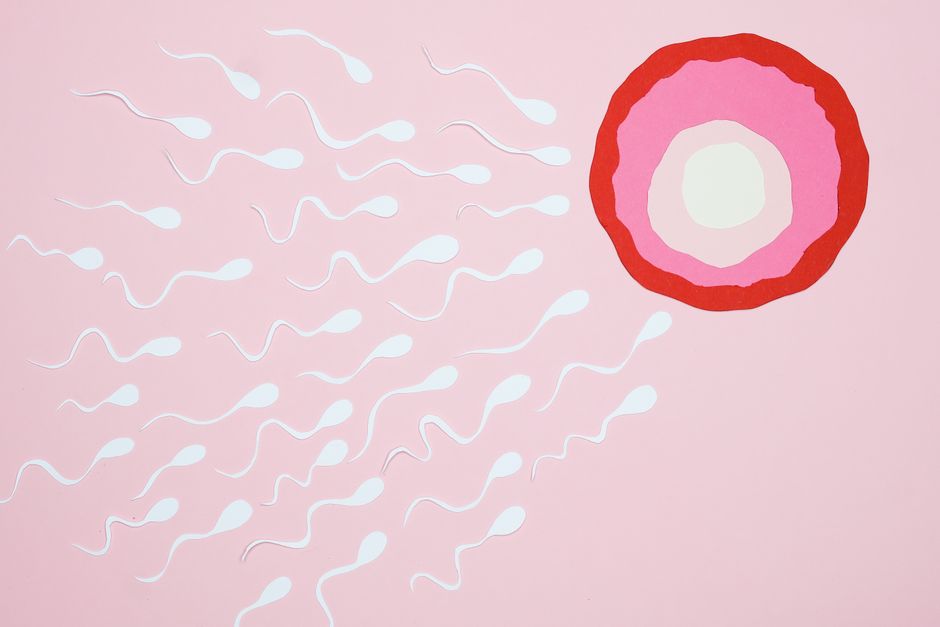
After ejaculation, sperm can reach the fallopian tube in as little as 30 to 60 minutes, though the full journey typically takes anywhere from 30 minutes to several hours. The fastest sperm may arrive at the egg within minutes, but the average travel time is between 1 and 4 hours. The complete process from ejaculation to fertilization usually takes 24 hours or less, with the sperm remaining capable of fertilizing an egg for up to 5 days inside the female reproductive tract.
How Long Does It Take For Sperm To Reach An Egg
The distance sperm must travel is surprisingly long. From the cervix through the uterus and into the fallopian tube, the journey measures roughly 15 to 18 centimeters. For a single sperm cell, which is about 0.05 millimeters long, that distance is enormous — comparable to a human swimming across an ocean.
Sperm do not swim this distance alone. The female reproductive tract actively helps them along. Uterine contractions move sperm upward, and the cervical mucus changes consistency around ovulation to make passage easier. Research suggests that some sperm reach the fallopian tube within 30 minutes of ejaculation, which is far faster than their swimming speed alone would allow.
The timing matters for conception. Sperm can survive inside the female reproductive tract for up to 5 days. This is why couples trying to conceive are advised to have intercourse in the days leading up to ovulation, not just on the day of ovulation itself.
What Happens During the Sperm’s Journey
The journey begins in the vagina, where the environment is acidic. Most sperm do not survive this first stage. The cervical mucus acts as a filter, allowing only healthy, well-formed sperm to pass through into the uterus.
Inside the uterus, contractions of the uterine muscle push sperm upward toward the fallopian tubes. This is not a random process. The contractions are coordinated and appear to guide sperm in the right direction. Sperm also swim, using their tails to propel themselves forward at about 1 to 4 millimeters per minute.
Of the millions of sperm ejaculated, only a few hundred reach the egg. The vast majority are lost along the way — trapped in cervical mucus, destroyed by immune cells, or simply swimming in the wrong direction. This natural selection process ensures that only the healthiest sperm have a chance at fertilization.
Where Fertilization Actually Occurs
Fertilization does not happen in the uterus. It happens in the fallopian tube, specifically in a section called the ampulla. This is the widest part of the tube and the site where the sperm meets the egg.
The egg, once released from the ovary during ovulation, survives for only about 12 to 24 hours. If sperm do not reach it within this window, the egg disintegrates and is absorbed by the body. This short lifespan of the egg is why timing intercourse around ovulation is so important for conception.
Once a sperm reaches the egg, fertilization itself takes time. The sperm must bind to the outer layer of the egg, release enzymes to break through, and fuse with the egg’s membrane. This process takes about 24 hours. After fertilization, the resulting embryo takes several days to travel down the fallopian tube and into the uterus, where implantation occurs about 6 to 10 days after ovulation.





How Long Can Sperm Survive in the Female Body
Sperm survival depends heavily on where they are. In the vagina alone, sperm typically survive only a few hours due to the acidic environment. Once sperm pass into the cervical mucus, the uterus, and the fallopian tubes, they can survive much longer.
In favorable conditions — particularly in the presence of fertile-quality cervical mucus — sperm can survive for up to 5 days. This is why the fertile window is considered to be about 6 days long: the 5 days before ovulation plus the day of ovulation itself.
This survival time has practical implications. Intercourse that occurs 3 to 5 days before ovulation can still result in pregnancy. The sperm simply wait in the fallopian tube for the egg to be released. This waiting period does not harm the sperm’s ability to fertilize the egg.
Factors That Affect Sperm Travel Time
Several factors influence how quickly sperm reach the egg and whether they arrive at all.
Cervical mucus quality is one of the most important factors. Around ovulation, estrogen causes the mucus to become thin, clear, and stretchy — similar in consistency to raw egg white. This fertile mucus helps sperm swim through the cervix. Outside the fertile window, the mucus is thick and blocks sperm passage.
Sperm health matters as well. Sperm count, motility, and shape all affect how many sperm survive the journey. Men with low sperm motility may have fewer sperm that can make the full trip. However, even with suboptimal sperm parameters, conception is still possible — it may simply take longer.
Uterine contractions play a major role. These contractions are triggered by hormones called prostaglandins, which are present in semen. The contractions help move sperm through the uterus and toward the fallopian tubes. Some research suggests that sexual arousal and orgasm may also influence uterine contractions, though the evidence on whether this affects conception is not conclusive.
Age is another factor. Female fertility declines with age, particularly after 35. This is primarily due to egg quality and quantity rather than sperm transport. Male fertility also declines with age, though more gradually.
How Long After Sex Can You Get Pregnant
Pregnancy can occur if intercourse happens anywhere from 5 days before ovulation to the day of ovulation itself. The most fertile days are the 2 to 3 days leading up to ovulation.
After intercourse, fertilization can occur anywhere from minutes to several days later. If sperm arrive early and wait for the egg, fertilization happens soon after ovulation. If intercourse happens close to ovulation, fertilization may occur within hours.
Once fertilization occurs, it takes about 6 to 10 days for the embryo to implant in the uterine lining. A pregnancy test will not show a positive result until after implantation, because the hormone hCG is only produced once implantation occurs. This is why pregnancy tests are most accurate when taken after a missed period.
Does Sperm Reach the Egg Faster With Certain Positions
There is no strong scientific evidence that any specific sexual position speeds up sperm transport. Gravity may seem like it should matter, but sperm are actively swimming and the uterine contractions do most of the work. The cervical mucus and uterine muscles move sperm regardless of position.
Some older studies suggested that lying still after intercourse might help, but the evidence is not strong. The female reproductive tract is designed to transport sperm efficiently, and sperm can reach the fallopian tubes within minutes regardless of position.
What matters more than position is timing. Having intercourse during the fertile window — the days leading up to and including ovulation — has the greatest impact on conception. No position, technique, or post-sex practice has been shown to meaningfully change the odds.
Common Myths About Sperm and Conception
One common myth is that urinating after sex washes sperm out and prevents pregnancy. Urine exits through the urethra, while sperm enter through the vagina. These are entirely separate passages. Urinating after sex does not affect sperm that have already entered the reproductive tract.
Another myth is that only one sperm is needed for fertilization. While it is true that only one sperm fertilizes the egg, millions are required for conception to occur. The vast majority of sperm never get close to the egg. The few hundred that reach the fallopian tube are the survivors of a highly selective process.
A third myth is that sperm can swim through clothing or survive outside the body for long periods. Sperm outside the body dry out quickly and die within minutes. Pregnancy requires direct deposition of semen into the vagina, or in rare cases, transfer of semen from hands or other surfaces directly to the vaginal opening.
Frequently Asked Questions
How fast can sperm reach the egg?
Sperm can reach the fallopian tube in as little as 30 minutes, though the average journey takes 1 to 4 hours. The fastest sperm may arrive within minutes of ejaculation.
How long does sperm survive inside a woman?
Sperm can survive up to 5 days inside the female reproductive tract in favorable conditions. Survival depends on fertile cervical mucus being present.
Can you get pregnant from intercourse 3 days before ovulation?
Yes, pregnancy is possible because sperm can survive for up to 5 days waiting for the egg. The most fertile days are the 2 to 3 days before ovulation.
How long after sex does fertilization take?
Fertilization can occur anywhere from minutes to several days after intercourse, depending on when ovulation happens. The fertilization process itself takes about 24 hours once sperm reach the egg.
