
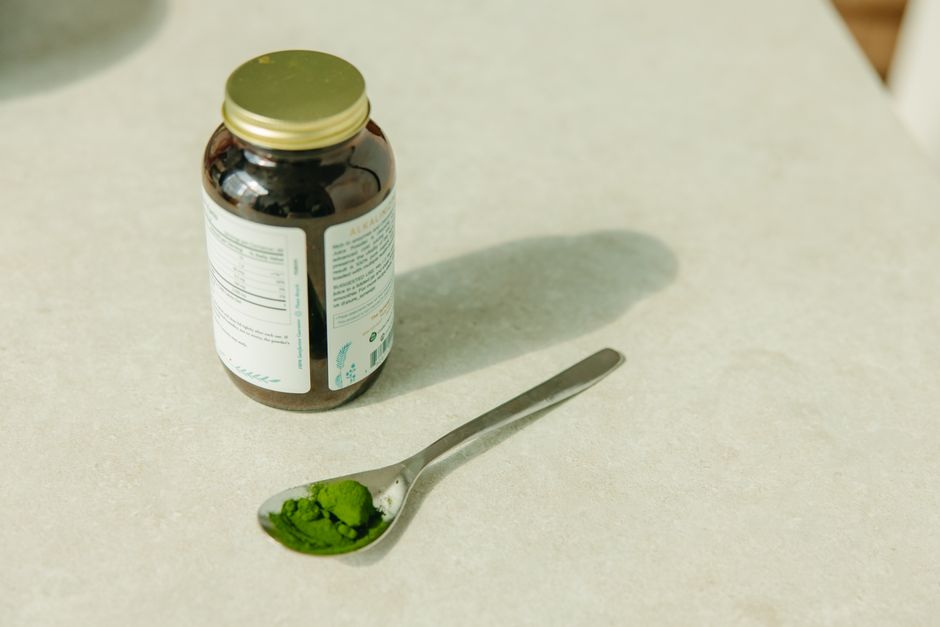
Psyllium husk is a type of soluble fiber made from the seeds of the Plantago ovata plant. It works by drawing water into your gut, which softens stool and adds bulk. For most people, the first noticeable effects appear within 12 to 72 hours of taking the first dose, though full benefits for regularity often take a few days to a week of consistent use.
How Long Does It Take For Psyllium Husk To Work?
Psyllium does not work instantly. It needs time to travel through your digestive tract and absorb water. The exact timing depends on why you are taking it and how fast your digestion moves.
For constipation, you may see a softer or more frequent bowel movement within 12 to 24 hours. For diarrhea, it can take 24 to 72 hours to notice a firming effect. For cholesterol reduction, measurable changes usually require two to four weeks of daily use before a blood test shows a difference.
What Happens Inside Your Body When You Take Psyllium
Psyllium is a gel-forming fiber. When it mixes with water in your stomach and intestines, it becomes a thick, viscous gel. This gel slows the passage of food through the small intestine, which helps manage blood sugar spikes after meals.
In the large intestine, the gel holds onto water. This softens hardened stool and makes it easier to pass. The same water-holding action firms up loose stool by absorbing excess fluid. This dual action is why psyllium can help with both constipation and diarrhea, even though those conditions seem opposite.
Psyllium is not fermented by gut bacteria as quickly as other fibers like inulin. This means it produces less gas and bloating for many people. It also means it retains its gel structure longer, which is part of why it works as a bulk laxative.
Why Results Vary From Person to Person
Your personal digestion speed is the biggest factor. If food moves through your system in 24 hours, you will likely see effects faster than someone whose transit time is 72 hours or more.
Hydration matters enormously. Psyllium must have water to form its gel. If you do not drink enough fluids, the psyllium can actually worsen constipation by forming a thick plug. You should drink a full glass of water with each dose and increase your overall fluid intake during the day.
Your diet also plays a role. If you already eat plenty of fiber and drink adequate water, psyllium may produce a quicker response. If your diet is low in fiber and high in processed foods, your body may need more time to adjust to the added bulk.
Underlying medical conditions can slow things down. Conditions like hypothyroidism, diabetes, or irritable bowel syndrome can affect how quickly your digestive tract responds. Medications, including opioids and some blood pressure drugs, can also slow bowel transit.




How to Take Psyllium for Best Results
Start with a low dose. Most products recommend starting with one dose per day, not the full amount on the label. This gives your digestive system time to adjust and reduces the chance of gas and bloating.
Consistency matters more than dose size. Taking psyllium at the same time each day helps establish a routine that your body can adapt to. Most clinical guidance suggests it works best when taken daily rather than sporadically.
Do not take psyllium at the same time as other medications. The gel can trap medications and reduce their absorption. A common recommendation is to take psyllium at least two hours before or two hours after oral medications. Check with your pharmacist if you take medications daily, especially thyroid hormone, blood thinners, or diabetes drugs.
Mix psyllium powder thoroughly into water or juice. Do not swallow the dry powder. It can clump in your throat and cause choking. Drink it immediately after mixing because the powder thickens quickly.
What the Research Shows About Psyllium
Research consistently shows that psyllium is effective for chronic constipation. Studies have found that daily psyllium use increases stool frequency and softens stool consistency in people with irregular bowel habits.
For cholesterol, the evidence is also strong. Clinical trials have shown that psyllium can lower LDL cholesterol when taken daily. The effect is modest but real, and it adds to the benefit of a heart-healthy diet.
For blood sugar control, some studies indicate that psyllium taken before meals can reduce the post-meal rise in blood glucose. This effect is more pronounced in people with type 2 diabetes than in healthy individuals. If you have diabetes and use psyllium, monitor your blood sugar closely because your medication needs may change.
For weight loss, the evidence is mixed. Psyllium can increase feelings of fullness, which may help some people eat less. But no large trials have confirmed that psyllium alone produces meaningful weight loss over time.
Common Mistakes That Delay Results
Not drinking enough water is the most common mistake. Psyllium needs water to work. Without it, the fiber can sit in your colon and make constipation worse.
Increasing the dose too quickly is another issue. Your gut needs time to adapt to extra fiber. Doubling your dose on day two is more likely to cause cramping and bloating than faster relief.
Taking psyllium irregularly also delays results. Skipping doses means your digestive tract never gets a consistent signal to regulate. Daily use is what produces the steady improvement most people are looking for.
Some people expect psyllium to work like a stimulant laxative. It does not. Stimulant laxatives trigger a bowel movement within hours by irritating the intestinal lining. Psyllium works more gently by changing the consistency of your stool. This is safer for long-term use but requires patience.
When You Should Not Take Psyllium
Do not take psyllium if you have a bowel obstruction, intestinal blockage, or narrowing of the esophagus. The gel can make these conditions worse and create a medical emergency.
If you have difficulty swallowing, psyllium may not be safe for you. The powder can form a thick paste that is hard to get down. Talk to your doctor before starting psyllium if swallowing is a problem for you.
People with kidney disease should use caution. Some psyllium products contain sodium or potassium, which can affect electrolyte balance. Check the label and discuss with your doctor.
If you have never taken psyllium and suddenly develop severe abdominal pain, vomiting, or inability to pass gas, stop taking it and seek medical care. These can be signs of a blockage.
Psyllium vs. Other Fiber Supplements
Psyllium is a soluble fiber, meaning it dissolves in water. Other common fiber supplements include methylcellulose, inulin, and wheat dextrin.
Methylcellulose is also a bulk-forming laxative but it does not ferment in the gut, which means it produces very little gas. Some people prefer it for this reason, though it does not offer the same cholesterol-lowering benefit that psyllium does.
Inulin is a prebiotic fiber that feeds gut bacteria. It ferments quickly, which can cause significant gas and bloating. It is less effective than psyllium for treating constipation and has no established benefit for cholesterol.
Wheat dextrin is a soluble fiber derived from wheat. It dissolves completely in water and is nearly tasteless. It is gentle on the stomach but has less research supporting its cholesterol and blood sugar benefits compared to psyllium.
How to Know If Psyllium Is Working
For constipation, you should notice softer stools within the first two to three days. A complete return to regular daily bowel movements may take one to two weeks. If you see no improvement after one week of daily use with adequate water, talk to your doctor.
For diarrhea, you may notice fewer urgent bowel movements within a few days. Full firming of stool may take longer. If diarrhea persists after two weeks of psyllium use, you should be evaluated for an underlying cause.
For cholesterol, the only reliable way to know if psyllium is working is a blood test. If your doctor recommended psyllium for this purpose, they will likely test your cholesterol after several weeks of use. Do not stop taking prescribed cholesterol medication without discussing it with your doctor.
For blood sugar, checking your glucose after meals can show you whether psyllium is blunting the spike. Consistent readings over several days will give you a clearer picture than any single measurement.
Frequently Asked Questions
Can psyllium husk work overnight?
It can work within 12 hours for some people, especially if you are mildly constipated and well hydrated. Most people need 24 to 72 hours to notice a clear effect.
How long should I take psyllium before seeing results for cholesterol?
Plan on two to four weeks of daily use before a blood test can show measurable changes. The effect is modest and works best alongside a heart-healthy diet.
Why is psyllium not working for me?
The most common reasons are not drinking enough water, taking too low a dose, or not using it daily. If you have used it consistently for a week with adequate fluids and see no change, consult your doctor.
Can I take psyllium husk every day long term?
Yes, psyllium is safe for daily long-term use in most healthy adults. It is not habit-forming like stimulant laxatives, but you should still drink plenty of water and tell your doctor you are using it.
