
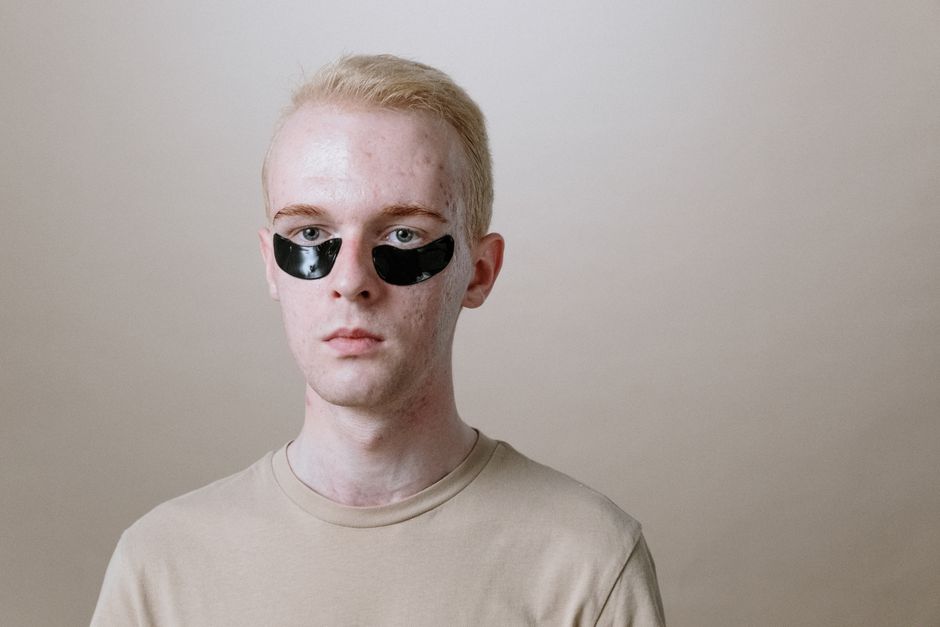
How long it takes for a pimple scar to fade depends almost entirely on which type of mark you have. Dark spots and red marks left behind by acne usually fade on their own within a few weeks to several months. True scars — indentations or raised tissue — do not fade on their own at all. They are permanent changes to the skin and need treatment to improve.
That difference matters more than any timeline. Most people who think they have “pimple scars” actually have post-inflammatory marks, and those behave very differently from real scars. Getting the type right is the first step to knowing what to expect.
What Is The Difference Between A Pimple Mark And A Pimple Scar?
A mark is a color change. A scar is a change in texture. That is the cleanest way to tell them apart.
When a pimple heals, it often leaves behind a flat area of darker or redder skin. The skin’s surface is still smooth. Run your finger over it and you feel nothing raised or sunken. This is a mark, and it is temporary.
A true scar changes the surface. You can feel a dip, a pit, or a raised bump. The skin’s structure itself has been altered. This happens when inflammation from acne damages the deeper layers of skin where collagen and elastin live.
Here is the part many people miss. A single breakout can leave both. You might have a dark mark in one spot and a shallow indentation right next to it. They need different approaches because they are different problems.
How Long Do Dark Spots From Acne Take To Fade?
Dark spots, called post-inflammatory hyperpigmentation, typically fade over three to twelve months. Some clear faster. Some linger longer, especially in people with darker skin tones.
These spots form when inflammation triggers extra melanin production. Melanin is the pigment that gives skin its color. After the pimple heals, that excess pigment sits in the upper layers of skin and slowly works its way out as skin cells turn over.
Several things affect how long this takes:
- Your natural skin tone — darker skin tends to hold pigment longer
- How deep and how inflamed the original pimple was
- Whether you keep picking or squeezing the area
- Sun exposure, which can darken spots and slow fading
Sun protection matters here. Ultraviolet light stimulates melanin, and that can deepen existing dark spots or cause new ones. Daily sunscreen is one of the few steps with clear support for helping these marks fade.
How Long Do Red Or Pink Marks Take To Fade?
Red and pink marks usually fade faster than dark spots — often within a few weeks to a few months. These are not pigment problems. They are blood vessel problems.
When a pimple heals, tiny blood vessels near the surface can remain dilated. That leftover redness is called post-inflammatory erythema. Because it involves vessels rather than pigment, it often resolves sooner than hyperpigmentation.
Redness tends to fade as the vessels return to their normal size. This process is gradual and can be frustrating to watch because it changes slowly. For some people it clears in weeks. For others it takes several months.
A note worth knowing: redness and dark spots can look similar in a photo but behave differently. Red marks respond to different treatments than brown marks. Treating one like the other often wastes time.
Do Indented Or Raised Scars Ever Fade On Their Own?
No. True acne scars — the ones you can feel — do not fade on their own. The collagen damage that creates them is permanent without treatment.
Indented scars, called atrophic scars, form when the skin loses collagen during healing. The most common types are ice pick scars (narrow and deep), boxcar scars (wider with defined edges), and rolling scars (wider with a wavy surface). Raised scars, called hypertrophic scars, form when the skin produces too much collagen instead of too little.
Because the underlying structure is changed, time alone will not smooth these out. The skin does not rebuild lost collagen on its own in a way that fills a pit or flattens a bump. This is why scar treatment focuses on remodeling the skin through procedures rather than waiting.
This is also why early, effective acne treatment matters. Preventing new inflamed acne lowers the chance of new scars forming. Once a scar exists, the goal shifts from prevention to treatment.
What Actually Helps Pimple Scars And Marks Fade?
What helps depends on whether you are dealing with a mark or a scar. They respond to different things.
For dark spots and red marks, the evidence supports a few approaches:
- Daily broad-spectrum sunscreen, which prevents darkening and supports natural fading
- Topical retinoids, which speed up skin cell turnover
- Certain ingredients such as azelaic acid, vitamin C, and niacinamide, which have some evidence for pigment and redness
- Time, which remains the most reliable factor for marks
For true indented or raised scars, creams and serums do very little. The evidence points to procedures performed by a dermatologist, such as laser therapy, microneedling, chemical peels, subcision, or fillers. These work by remodeling collagen or replacing lost volume. Results vary widely between people and between scar types.
Be cautious with marketing. Many products claim to “erase” or “repair” scars. No topical product has been shown to remove an indented scar. Some can improve the appearance of marks. That is a real but limited benefit, and it is not the same as erasing a scar.
Can You Make Pimple Scars Fade Faster?
You cannot rush biology, but you can avoid slowing it down. A few habits genuinely affect how fast marks fade.
Stop picking and squeezing. Every time you pick at a healing pimple, you restart inflammation. That can deepen a mark, extend its life, and raise the risk of a true scar forming.
Protect your skin from the sun. This is one of the most consistent recommendations for fading dark spots, and it applies year-round, not just in summer.
Treat active acne. New breakouts create new marks and new scar risk. Getting acne under control is the single most effective way to prevent the cycle from continuing.
Be patient with marks and realistic about scars. Marks respond to time and consistency. Scars respond to procedures, not patience. Knowing which one you have tells you where to put your effort.
When Should You See A Dermatologist?
See a dermatologist if you have indented or raised scars, if marks are not fading after a year, or if acne is ongoing and leaving new marks. These are situations where professional treatment changes the outcome.
A dermatologist can tell the difference between marks and scars, identify your scar types, and recommend treatments that match. This matters because the wrong treatment wastes money and time. A pigment-focused cream will not help an indented scar. A resurfacing procedure is not needed for a mark that would fade on its own.
If acne is moderate to severe or leaving scars, earlier treatment tends to lead to better long-term skin. This is one area where waiting rarely helps.
Frequently Asked Questions
How long does it take for pimple scars to fade?
Flat marks usually fade within a few weeks to twelve months, depending on the type and your skin tone. True indented or raised scars do not fade on their own and need treatment.
Do pimple scars go away completely?
Marks often fade completely or nearly so over time. True scars do not disappear on their own, though procedures can improve their appearance.
How can I tell if it is a scar or just a dark mark?
Run your finger over it. If the surface is smooth, it is a mark. If you feel a dip or a raised bump, it is a scar.
Does sunscreen help pimple scars fade?
Sunscreen helps dark spots fade by preventing further melanin production from UV exposure. It does not remove indented or raised scars.
