
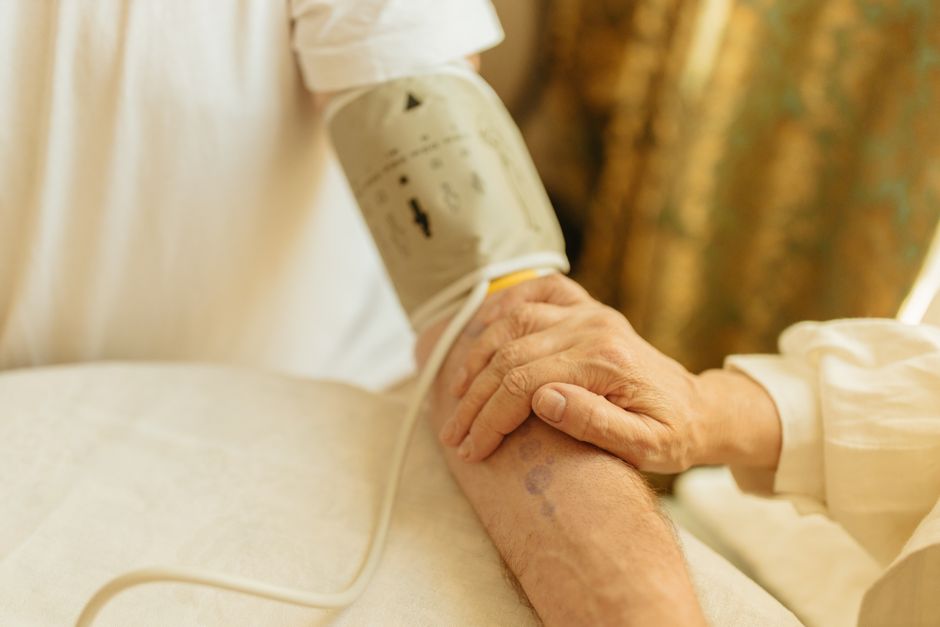
Blood makes a complete trip around your body in about one minute. That is the average circulation time at rest — roughly 60 seconds for a drop of blood to leave the heart, travel through the body, and return. The exact time varies with heart rate, blood pressure, and how much you are moving. When you exercise, the trip speeds up. When you are cold or at rest, it slows down.
That one-minute figure describes the full loop. Blood does not move at the same speed everywhere. It races out of the heart through the arteries, slows to a crawl in the tiny capillaries where oxygen is exchanged, then picks up speed again in the veins heading back. Understanding that journey explains a lot about how your body works — and what can go wrong.
How Long Does It Take For Blood To Circulate The Body?
The full circuit takes about one minute under resting conditions, but that number is an average, not a fixed rule. Circulation time depends on how fast your heart is pumping and how much resistance blood meets along the way.
Here is the basic path. Oxygen-poor blood returns to the right side of the heart, gets pumped to the lungs, picks up oxygen, and comes back to the left side of the heart. From there it is pumped out through the aorta to the rest of the body. After passing through tissues, it returns through the veins to start again. This is called the circulatory loop, and it happens continuously.
Heart rate is the biggest factor. A resting heart rate of 60 to 100 beats per minute is considered normal for adults. When your heart beats faster — during exercise or stress — blood completes the loop more quickly. When it beats slower, the loop takes longer.
Body size matters too. A smaller person has a shorter physical distance for blood to travel, so circulation time tends to be slightly faster. This is one reason the one-minute figure is a general estimate rather than a precise measurement for every individual.
What Is the Difference Between Pulmonary and Systemic Circulation?
Your body runs two separate loops, and each takes a different amount of time. The pulmonary loop carries blood from the heart to the lungs and back. The systemic loop carries blood from the heart to the rest of the body and back. Together they make up the full circuit.
The pulmonary loop is shorter and faster. Blood travels a short distance to the lungs, picks up oxygen, and returns. This loop happens in a matter of seconds. The systemic loop is longer because blood has to reach your brain, organs, limbs, and skin before returning. This is the loop that takes most of the roughly one-minute total.
These two loops are not separate systems — they are connected in series. Blood flows through one and immediately into the other. The right side of the heart handles the pulmonary loop. The left side handles the systemic loop. The left ventricle has a thicker muscular wall because it must push blood much farther against higher pressure.
This design matters for understanding circulation problems. A blockage in the pulmonary loop causes different symptoms than one in the systemic loop. The location of a problem tells you which part of the journey is affected.
Why Does Blood Slow Down in the Capillaries?
Blood moves fastest in the arteries and slowest in the capillaries. This is not a flaw — it is by design. Capillaries are the smallest blood vessels, often narrower than a single red blood cell. Blood has to squeeze through them one cell at a time in some places.
The slowdown serves a purpose. Capillaries are where oxygen, nutrients, and waste products are exchanged between blood and tissue. Slower flow gives more time for that exchange to happen. If blood rushed through at artery speed, tissues would not get enough oxygen.
Capillaries are also where blood pressure drops the most. The force from the heart has to push blood through millions of tiny vessels, and resistance builds. By the time blood reaches the veins, pressure is low. That is why veins rely partly on one-way valves and the squeezing action of surrounding muscles to keep blood moving back toward the heart.
This is a genuinely useful thing to understand: the speed of your blood is not constant, and the slowest point is the most important one for your cells.



What Affects How Fast Blood Circulates?
Several factors change circulation time from person to person and from moment to moment. Some you control. Others you do not.
- Heart rate. A faster heartbeat moves blood through the loop more quickly. Exercise, stress, fever, and some medications raise heart rate.
- Blood pressure. Higher pressure pushes blood along with more force, but very high pressure strains the vessels over time.
- Physical activity. Working muscles need more oxygen, so the body increases blood flow to them and circulation speeds up.
- Temperature. Cold causes blood vessels near the skin to narrow, which can slow circulation to the extremities. Heat widens them.
- Blood viscosity. Thicker blood flows more slowly. Hydration affects how thick your blood is.
- Age. Blood vessels stiffen somewhat with age, which can affect how efficiently blood moves.
Some of these factors interact. Dehydration, for example, can thicken the blood and raise heart rate at the same time, both of which affect circulation. Being cold can slow blood flow to your fingers and toes while your core circulation stays close to normal.
Can You Measure Your Own Circulation?
You cannot directly time a drop of blood going around your body at home. But you can observe signs that reflect how well your circulation is working. These are indirect clues, not precise measurements.
One common observation is capillary refill. If you press on a fingernail until it turns pale and then release it, the color typically returns within about two seconds. A longer refill time can suggest reduced circulation to the fingers, though it is not a definitive test and can be affected by room temperature and other factors.
Other signs people notice include how quickly their hands warm up after being cold, and whether their skin color looks healthy. These are rough indicators at best.
Doctors have more precise tools. A pulse oximeter estimates oxygen saturation in the blood. Doppler ultrasound can measure blood flow through specific vessels. These are clinical tools, and interpreting them requires training.
If you are concerned about your circulation, the useful step is talking to a clinician rather than trying to measure it yourself. Symptoms like persistently cold hands and feet, slow-healing wounds, or changes in skin color are worth discussing with a professional.
What Happens When Circulation Slows Down?
When blood flow to a part of the body is reduced, the tissue beyond the blockage gets less oxygen and fewer nutrients. How serious this is depends on where the slowdown happens and how severe it is.
In the legs and feet, reduced circulation can cause coldness, cramping with activity, and slower healing of minor injuries. In the heart, reduced blood flow to the heart muscle is what happens during a heart attack. In the brain, it is what happens during a stroke. These are medical emergencies, not gradual processes.
Chronic conditions can affect circulation over time. Peripheral artery disease narrows the arteries that supply the legs. It is associated with symptoms like leg pain during walking that eases with rest. Diabetes can damage small blood vessels over years, which affects circulation to the feet and eyes.
It is worth being clear about what the evidence does and does not show here. Lifestyle factors like physical activity, not smoking, and managing blood pressure and blood sugar are well established as important for vascular health. The specifics of how much any single change improves circulation for a given person are harder to pin down, and vary widely.
Does Exercise Change Circulation Time?
Exercise speeds up circulation, and the effect is substantial. Working muscles demand more oxygen, so the heart pumps faster and harder, and blood is redirected toward the muscles that need it most.
During vigorous activity, cardiac output — the amount of blood the heart pumps per minute — can rise several-fold above resting levels. Blood flow to working muscles increases accordingly. The full circulatory loop happens faster because the heart is moving more blood with each beat and beating more often.
Regular exercise also has longer-term effects on circulation. It can improve the ability of blood vessels to widen and narrow as needed, a property called vascular function. It can lower resting heart rate in people who are fit, which means each beat moves more blood. These adaptations take weeks to months to develop, not days.
Some of what is claimed about exercise and circulation goes beyond what studies have firmly established. General statements like “exercise improves circulation” are well supported. Specific claims about exact improvements in circulation time for particular activities are not well documented and should be treated with caution.
Frequently Asked Questions
How long does blood take to circulate around the whole body?
About one minute at rest, on average. The time is shorter during exercise and longer when you are cold or inactive.
Does blood circulate faster when you exercise?
Yes. Exercise raises heart rate and cardiac output, which moves blood through the body more quickly. Working muscles also receive a larger share of blood flow.
What is a normal capillary refill time?
Color typically returns to a pressed fingernail within about two seconds. A longer time can suggest reduced circulation but is not a definitive test on its own.
Can poor circulation be reversed?
That depends on the cause. Some circulation problems improve with treatment and lifestyle changes, while others are managed rather than reversed. A clinician can assess what is driving the problem in your case.
