
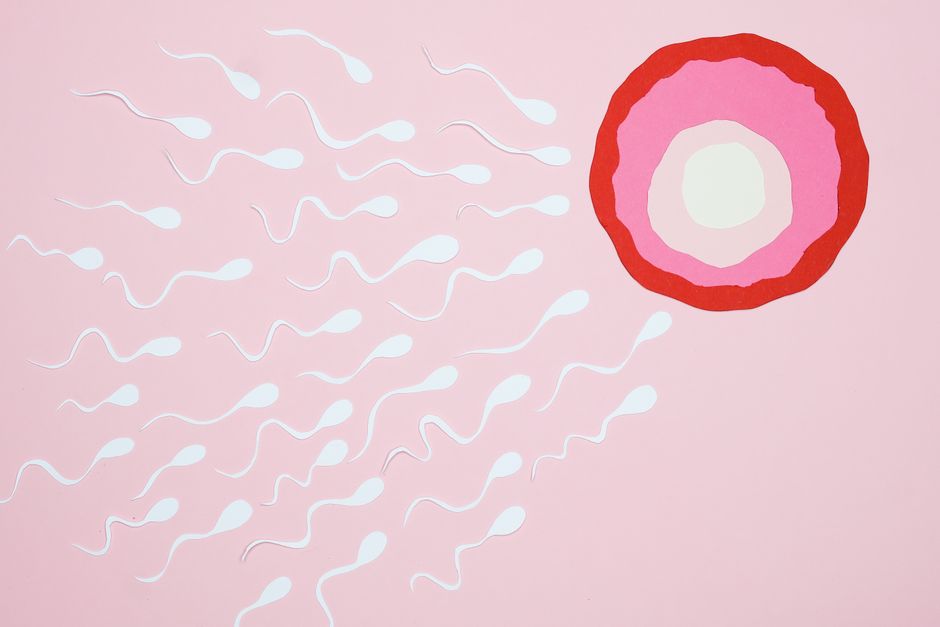
Sperm cells do not survive long in water. In most everyday water — pools, hot tubs, baths, lakes, and the ocean — human sperm typically lose motility within minutes and are effectively non-viable within a short time. The exact survival window depends on the type of water, its temperature, and its chemical makeup.
This matters for a common worry: can pregnancy happen from sperm in water? The short answer is that the conditions needed for sperm to reach and fertilize an egg are almost never present in water. Understanding why comes down to basic biology and the way sperm cells respond to their environment.
How Long Does Human Sperm Survive In Water?
There is no single number, because “water” covers very different environments. What is consistent is that water is hostile to sperm compared with the environment they evolved for.
Sperm are built to survive in the warm, protein-rich, chemically balanced fluid of the reproductive tract. When they are placed in plain water, that balance breaks down. Water moves into and out of the cell in ways that damage its structure, and the cell loses the ability to swim.
In general terms:
- Fresh water (baths, lakes, rivers): sperm lose motility quickly, often within minutes. The lower salt concentration relative to the cell causes water to rush in, stressing or rupturing the cell membrane.
- Salt water (ocean): the higher salt concentration pulls water out of the cell, which also damages it. Survival is short.
- Chlorinated pool water: chlorine and other disinfectants add chemical stress on top of the osmotic stress. Motility drops fast.
- Hot water (hot tubs, warm baths): heat adds a further insult. Sperm are sensitive to temperature, and heat reduces motility and survival.
Precise minute-by-minute figures vary between studies and depend on how survival is measured — whether researchers are tracking movement, membrane integrity, or the ability to fertilize. That is why you will see a range of numbers rather than one agreed figure. What the research consistently shows is that survival in water is brief, and the cells that remain are unlikely to function normally.
Why Water Harms Sperm Cells
The main reason is osmosis. Sperm cells maintain a specific internal balance of salts and other dissolved particles. When they sit in water that has a very different concentration, water moves across the cell membrane to try to equalize the two sides.
In fresh water, the outside is more dilute than the inside, so water flows into the cell. The cell can swell and the membrane can be damaged. In salt water, the opposite happens — water leaves the cell, and it can shrivel. Either way, the delicate structures the sperm needs to swim and to fertilize an egg are compromised.
Temperature is the second factor. Sperm production in the body happens at a temperature slightly below core body temperature, which is why the testes sit outside the body. Heat above that range reduces sperm motility and can damage the cells. A hot bath or hot tub therefore stacks heat stress on top of the osmotic stress.
Chemicals are the third factor. Chlorine, bromine, and the various compounds used to keep pool water clean are designed to kill microorganisms. Sperm are cells, and these chemicals do not distinguish between a pathogen and a sperm cell.
Can You Get Pregnant From Sperm in Water?
Pregnancy from sperm in water is not considered a realistic risk. For pregnancy to occur, a sufficient number of healthy, motile sperm must reach the cervix and then travel through the reproductive tract to meet an egg. Water does not provide a route for that to happen.
There are a few reasons this concern does not hold up:
- Sperm in water lose motility within minutes, so they are not swimming anywhere.
- Even if some sperm survived, they would need to be deposited at or near the cervix — being in a pool, bath, or body of water does not achieve that.
- Dilution matters. A small number of sperm in a large volume of water is far below what is needed for fertilization. Fertility depends on sperm count, motility, and many other factors, not just the presence of any sperm at all.
The commonly repeated worry about pregnancy from a swimming pool, hot tub, or shared bath is not supported by how fertilization actually works. This is one of the clearer examples of a myth that sounds plausible but does not survive contact with the biology.





Does Sperm Survive on Surfaces and Fabrics?
Sperm survival outside the body depends heavily on moisture. Once semen dries, sperm lose viability quickly. On a dry surface, survival is short. On fabric or a surface that stays moist, survival can be somewhat longer, but the cells still decline fast compared with conditions inside the body.
This is relevant to another common question: can sperm on hands, towels, or bedding lead to pregnancy? The same logic applies. For pregnancy to occur, viable sperm need a direct path to the reproductive tract. Indirect contact through a surface or fabric does not provide that path, and the sperm involved are unlikely to still be functional by the time any contact occurs.
Temperature and humidity are the key variables. Cool, moist conditions preserve sperm better than warm, dry ones. This is part of why clinical settings that handle sperm for fertility purposes use carefully controlled media and temperature — ordinary household conditions are not that.
How Long Does Sperm Survive in Other Environments?
Water is one environment, but people often want to compare it with others. The pattern is consistent: sperm survive longest in conditions that mimic the reproductive tract, and shortest in conditions that do not.
| Environment | General survival pattern |
|---|---|
| Inside the female reproductive tract | Can remain viable for several days under favorable conditions |
| Air, on dry surfaces | Loses viability quickly once semen dries |
| Water (fresh, salt, chlorinated) | Motility drops within minutes; short overall survival |
| Hot water (hot tubs, warm baths) | Heat adds stress; survival reduced further |
The contrast with the reproductive tract is the important one. Cervical mucus protects sperm, provides the right chemical balance, and helps them move. That environment is the exception, not the rule. Almost everywhere else, sperm are on a short clock.
What Affects Sperm Survival Most
Several factors determine how long sperm last in any given setting. Understanding these helps explain why survival times are described in ranges rather than exact numbers.
Temperature is a major factor. Sperm are sensitive to heat, and both very warm and very cold conditions reduce survival relative to the narrow range the body maintains.
Chemical composition matters. Salt concentration, chlorine, pH, and the presence of soaps or other compounds all affect how quickly the cell membrane is damaged.
Moisture is critical. Drying out is one of the fastest ways sperm lose viability. Environments that stay wet give sperm slightly more time, though not much.
The individual sample also varies. Sperm quality differs from person to person and even within the same person over time, based on factors like recent heat exposure, overall health, and how the sample is handled.
Because these factors interact, two studies can report different survival times and both be correct for their specific conditions. That is normal in this kind of research.
Why This Question Comes Up So Often
Concerns about sperm in water usually trace back to sex education messages, often delivered in a simplified way. The intent is reasonable — encouraging caution — but the result can be confusion about what is and is not a real risk.
The accurate version is straightforward. Sperm need specific conditions to function, and water is not one of them. Pregnancy requires a chain of events — enough healthy sperm, a path to the cervix, and timing with ovulation — and water breaks that chain at the first step.
If you have questions about fertility, contraception, or reproductive health, those are best answered by a healthcare provider who can address your specific situation. General facts about sperm survival are useful background, but they are not a substitute for personalized medical advice.
Frequently Asked Questions
How long can sperm live in water?
Sperm typically lose motility within minutes in water, and overall survival is short. Fresh water, salt water, chlorinated pools, and hot water all reduce survival compared with the reproductive tract.
Can you get pregnant from sperm in a pool or hot tub?
Pregnancy from sperm in a pool or hot tub is not considered a realistic risk. Sperm lose motility quickly in water and would have no direct path to the cervix.
Does sperm survive in a bath or shower?
Survival in bath or shower water is brief, similar to other water environments. Heat and soap or other chemicals add further stress that reduces viability.
How long does sperm live outside the body?
Survival outside the body depends mainly on moisture and temperature, and sperm lose viability quickly once semen dries. In the female reproductive tract, by contrast, sperm can remain viable for several days under favorable conditions.
