
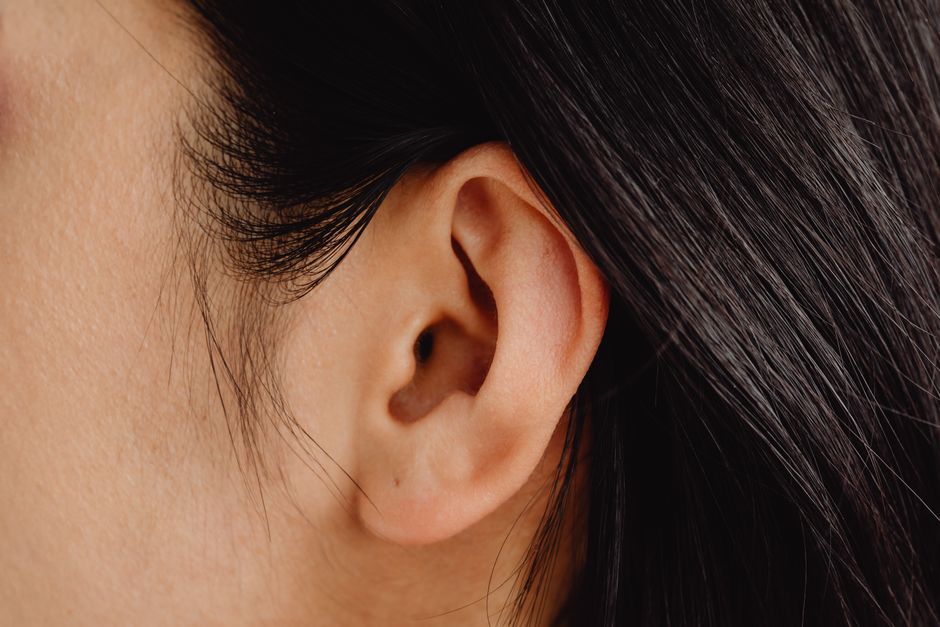
Sinus infections are miserable. The pressure, the congestion, the constant feeling of fullness. When hearing loss joins the list, it can feel alarming. The good news is that in most cases, this type of hearing loss is temporary. For most people, hearing returns to normal within a few days to two weeks after the sinus infection clears. If the infection is severe or becomes chronic, it can take longer, but permanent damage from a routine sinus infection is rare.
Why Does a Sinus Infection Affect Your Hearing?
Your ears and nose are physically connected. The connection is a small passage called the Eustachian tube. This tube runs from the back of the nose to the middle ear. Its job is to equalize pressure and drain fluid.
When you have a sinus infection, the lining of your nose and sinuses swells. That swelling can block the Eustachian tube. When the tube is blocked, air cannot reach the middle ear. The pressure drops, and fluid can build up behind the eardrum.
This fluid and pressure changes how the eardrum and the tiny bones of the middle ear move. Sound does not transmit as efficiently. The result is a feeling of fullness, muffled hearing, or a noticeable drop in hearing ability. This is called conductive hearing loss. It is mechanical, not nerve damage.
How Long Does Hearing Loss Last After Sinus Infection?
In most cases, hearing loss from a sinus infection lasts as long as the infection itself. Once the congestion resolves and the Eustachian tube opens again, hearing typically returns. For a typical viral sinus infection, that means improvement within 7 to 10 days.
Bacterial infections can last longer. If you are taking antibiotics, your hearing may not fully return until the medication finishes its course and the inflammation subsides. That can take up to two weeks.
Some people experience what is called “plugged ear” or “popping” for a few days after other symptoms are gone. This is usually the Eustachian tube slowly reopening. It should resolve on its own. If hearing loss persists for more than two weeks after the infection has cleared, you should see a doctor.
What Does the Hearing Loss Feel Like?
People describe it differently. Some say sounds seem distant or muffled, like listening through a pillow. Others report a feeling of fullness or pressure in the ear, similar to being on an airplane during descent.
You may also notice:
- Tinnitus, or ringing in the affected ear
- A popping or crackling sound when you swallow or yawn
- Dizziness or a mild sense of imbalance
- Your own voice sounding louder or echoing in your head
These symptoms are all consistent with Eustachian tube dysfunction and middle ear fluid. They are uncomfortable but not dangerous in the short term.





When Should You Worry About Hearing Loss?
Most sinus-related hearing loss resolves on its own. But some situations require medical attention. You should see a doctor promptly if you experience:
- Sudden hearing loss that occurs all at once
- Hearing loss in only one ear
- Severe pain in the ear
- Drainage of fluid or pus from the ear
- Dizziness that is severe or persistent
Sudden sensorineural hearing loss is different from conductive hearing loss. It involves the inner ear or auditory nerve. It requires urgent evaluation. If it is treated quickly, there is a better chance of recovery.
Also, if you have chronic sinusitis — meaning sinus infections that last more than 12 weeks or keep coming back — the fluid in the middle ear can become thick and sticky. This is sometimes called glue ear. It can cause more persistent hearing issues and may require treatment beyond antibiotics.
How Can You Speed Up Recovery?
Treating the sinus infection is the main way to restore hearing. Anything that reduces nasal congestion can help open the Eustachian tube. Some approaches that may help include:
- Using a saline nasal rinse to clear mucus and reduce swelling
- Taking a decongestant, especially one containing pseudoephedrine, to shrink swollen tissues
- Using a corticosteroid nasal spray to reduce inflammation
- Applying a warm compress over the nose and forehead
- Staying well hydrated to keep mucus thin
Yawning, swallowing, or chewing gum can help open the Eustachian tube. Some people find that gently pinching the nose closed and blowing softly helps equalize pressure, but do not do this forcefully. You can damage the eardrum.
There is no evidence that ear drops help with this type of hearing loss. The fluid is behind the eardrum, so drops cannot reach it. Decongestants and anti-inflammatories are the most direct approach.
Can a Sinus Infection Cause Permanent Hearing Loss?
Permanent hearing loss from a routine sinus infection is rare. The structure of the middle ear is designed to recover. Once the pressure normalizes and fluid drains, hearing usually returns to baseline.
However, there are exceptions. If a bacterial infection spreads to the middle ear and is not treated, it can damage the eardrum or the tiny bones of the middle ear. This is uncommon but possible. Repeated episodes of chronic sinusitis with persistent fluid can also lead to changes in the eardrum over time.
If you have had multiple sinus infections and notice your hearing never quite returns to normal, see an ear, nose, and throat specialist. They can check for structural issues or fluid that has not drained completely.
Hearing Loss After Sinus Infection in Children
Children are more prone to this problem than adults. Their Eustachian tubes are shorter and more horizontal, which makes them easier to block. Hearing loss in a child can be harder to notice. They may not complain. Instead, they might seem inattentive, turn up the TV, or perform worse in school.
Most children recover fully after the infection clears. But persistent fluid in the middle ear, called otitis media with effusion, can last for weeks or months after the infection is gone. This is the most common cause of temporary hearing loss in children. If fluid lasts more than three months, a doctor may recommend a procedure to place small tubes in the eardrum to drain it.
When to See a Doctor
You do not always need to see a doctor for sinus-related hearing loss. If you have a mild infection and your hearing is only slightly muffled, you can monitor it at home. But there are times when a medical visit is warranted.
See a doctor if your hearing loss lasts more than two weeks, if it is getting worse, or if it is accompanied by severe pain. Also see a doctor if you have a fever higher than 102°F, symptoms that improve and then worsen, or symptoms that last more than 10 days without improvement. These can be signs of a bacterial infection that needs antibiotics.
If you have a history of ear problems, or if you have had ear surgery in the past, check with your doctor sooner rather than later.
Can You Prevent Hearing Loss from Sinus Infections?
You cannot always prevent a sinus infection. But you can reduce your risk. Managing allergies is one of the most effective strategies. Allergies cause nasal inflammation, which sets the stage for sinus blockage. Treating them with antihistamines or nasal steroids can help.
Avoiding irritants like tobacco smoke and dry indoor air can also help. Using a humidifier in winter months keeps the nasal passages moist. Washing your hands regularly reduces your exposure to the viruses that cause most sinus infections.
When you do get a cold, treat the congestion early. The sooner you reduce swelling in the nasal passages, the less likely the Eustachian tube will become blocked.
Frequently Asked Questions
Can sinus infection hearing loss be permanent?
Permanent hearing loss from a routine sinus infection is rare. It can happen if a severe infection damages the middle ear structures, but this is uncommon and usually requires an untreated bacterial infection.
Why is my hearing muffled after my sinus infection cleared?
Fluid may still be trapped behind your eardrum even after other symptoms are gone. The Eustachian tube can take a week or two to fully reopen and drain this fluid.
Does hearing loss from sinus infection require antibiotics?
Most sinus infections are viral and do not require antibiotics. If your doctor confirms a bacterial infection, treating it can help restore hearing, but the hearing loss itself is not the reason for antibiotics.
How can I unblock my ear from a sinus infection?
Yawning, swallowing, or chewing gum can help open the Eustachian tube. Using a decongestant or a saline nasal rinse reduces nasal swelling, which often relieves the ear pressure.
