
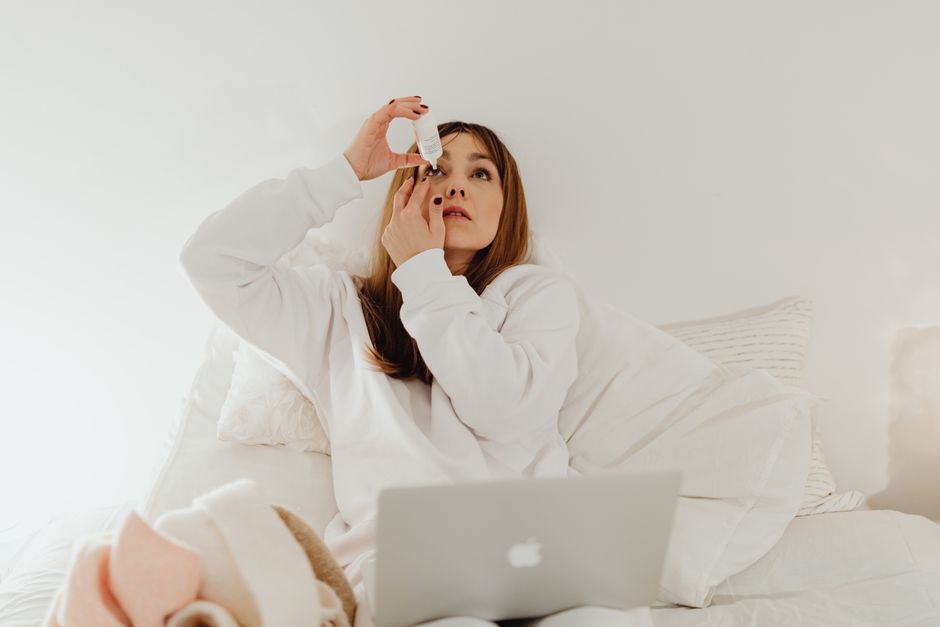
Conjunctivitis, often called pink eye, is an inflammation of the conjunctiva — the thin, clear membrane that covers the white of the eye and lines the inside of the eyelid. When it’s caused by a virus or bacteria, the infection can spread to surfaces and to other people. How long it survives on surfaces depends entirely on which type it is.
On hard, non-porous surfaces like countertops, doorknobs, or plastic, most common conjunctivitis-causing viruses can remain infectious for hours to a few days. Bacteria tend to survive for a shorter time — typically hours to a couple of days. On soft, porous surfaces like tissues, towels, or fabric, survival is generally shorter because the material dries out the organism.
What Causes Conjunctivitis and Why Does It Matter for Surface Survival?
Conjunctivitis is not one condition. It’s a category, and the organism behind it determines everything about how long it lingers.
Viral conjunctivitis is the most common form. It’s usually caused by adenoviruses, the same family responsible for many common colds. Adenoviruses are notoriously hardy. They lack a lipid envelope, which makes them more resistant to drying and to many common disinfectants than enveloped viruses like influenza.
Bacterial conjunctivitis is typically caused by Staphylococcus aureus, Streptococcus pneumoniae, or Haemophilus influenzae. These bacteria can survive on dry surfaces but generally don’t persist as long as non-enveloped viruses.
Allergic conjunctivitis is not infectious at all. It’s an immune reaction to pollen, dust, or pet dander. It cannot spread to surfaces or to people. This distinction matters because many people assume all pink eye is contagious.
How Long Does Conjunctivitis Live On Surfaces?
This is the core question, and the answer varies by organism and surface type.
Adenoviruses, the leading cause of viral pink eye, have been shown in laboratory studies to remain viable on non-porous surfaces for periods ranging from several hours to a few days, depending on temperature, humidity, and the specific strain. On porous surfaces like paper or cloth, survival is shorter — usually hours, not days.
Bacteria like S. aureus can survive on dry surfaces for hours to days in laboratory conditions. However, lab conditions don’t perfectly mirror real life. In a typical home, with normal cleaning and airflow, the window of infectivity is often shorter than the maximum lab survival time.
Here’s the practical takeaway: if someone in your household has infectious conjunctivitis, assume surfaces they’ve touched — especially near their face or hands — could carry the organism for up to a few days unless cleaned.
| Type | Typical Surface Survival | Contagious? |
|---|---|---|
| Viral (adenovirus) | Hours to a few days on hard surfaces | Yes |
| Bacterial | Hours to a couple of days | Yes |
| Allergic | Not applicable | No |
Can You Catch Pink Eye From a Surface?
Yes, but it requires a specific chain of events. The organism must survive on the surface, transfer to your hand, and then reach your eye. That last step is the one people underestimate.
You don’t get conjunctivitis just by touching a contaminated countertop. You get it by touching that surface and then rubbing your eye. This is why hand hygiene is the single most effective prevention measure.
Viral conjunctivitis is highly contagious. Adenovirus in particular spreads easily in close settings like households, schools, and daycare centers. Bacterial conjunctivitis is also contagious but generally less efficiently so.
A common misconception: you can get pink eye from looking at someone who has it. That’s not how it works. Transmission requires direct or indirect contact with infected secretions.





Which Surfaces Pose the Highest Risk?
Not all surfaces are equal. The risk depends on whether the organism can survive there and whether you’re likely to touch it and then touch your face.
- High risk: Doorknobs, light switches, faucet handles, phone screens, keyboards, shared towels, pillowcases
- Moderate risk: Countertops, tables, shared utensils, eye drop bottles (if contaminated)
- Lower risk: Soft fabrics, tissues, paper — these dry out faster and are less likely to transfer viable organisms
Shared towels and pillowcases deserve special mention. They come into direct contact with the eye area and are often overlooked in cleaning routines.
How Do You Clean Surfaces to Prevent Spread?
Standard household disinfectants are effective against most conjunctivitis-causing organisms when used according to label directions. The key phrase is “according to label directions” — contact time matters.
For hard surfaces, cleaning with a disinfectant wipe or spray and allowing it to remain wet for the time specified on the product label will reduce the organism load. Alcohol-based disinfectants are effective against many viruses and bacteria, though non-enveloped viruses like adenovirus can be more resistant to some formulations.
For fabrics, washing in hot water with regular laundry detergent and drying on a high heat setting is generally sufficient. Don’t share towels or pillowcases with someone who has active infectious conjunctivitis.
Hand hygiene remains the foundation. Washing hands with soap and water for at least 20 seconds, or using an alcohol-based hand sanitizer when soap isn’t available, interrupts the transmission chain at its most vulnerable point.
How Long Are You Contagious With Conjunctivitis?
Contagiousness and surface survival are related but not identical. A person with viral conjunctivitis can be contagious for several days to a couple of weeks, depending on the specific virus and how long symptoms last.
Bacterial conjunctivitis is generally considered no longer contagious after 24 to 48 hours of appropriate antibiotic treatment, if antibiotics are prescribed. However, not all bacterial conjunctivitis requires antibiotics — many cases resolve on their own.
Viral conjunctivitis has no specific antiviral treatment. It typically runs its course over one to two weeks. During that time, the person can spread the infection to others.
This is why surface cleaning matters most during the active symptomatic period. Once symptoms resolve, the risk of transmission drops significantly.
What About Reinfection From Your Own Surfaces?
Reinfection is possible. If you touch a contaminated surface and then touch your eye again, you can reintroduce the organism. This is particularly relevant for viral conjunctivitis, where the immune response takes time to clear the infection.
Practical steps during active infection:
- Change pillowcases frequently — daily if possible
- Use a separate towel for your face and wash it after each use
- Clean high-touch surfaces in your home regularly
- Avoid touching your eyes, and wash your hands if you do
- Discard eye makeup that may have been contaminated
These measures won’t guarantee you won’t reinfect yourself, but they reduce the odds.
When Should You See a Doctor?
Most cases of conjunctivitis are mild and self-limiting. However, some situations warrant medical evaluation.
Seek care if you have:
- Moderate to severe eye pain
- Blurred vision or sensitivity to light that doesn’t improve
- Intense redness in one or both eyes
- Symptoms that worsen after several days
- A weakened immune system
- Contact lens use with eye symptoms
These signs could indicate a more serious eye condition that requires different treatment. A doctor can determine whether the cause is viral, bacterial, or something else.
Frequently Asked Questions
How long does viral conjunctivitis live on surfaces?
Adenovirus, the most common cause of viral pink eye, can remain infectious on hard surfaces for hours to a few days. On soft surfaces like tissues or fabric, survival is typically shorter.
Can you get pink eye from touching a surface?
Yes, if the surface is contaminated and you touch it and then touch your eye. The organism must transfer from the surface to your hand and then to your eye to cause infection.
How do you disinfect a house after conjunctivitis?
Clean high-touch surfaces with a household disinfectant according to label directions, wash bedding and towels in hot water, and practice frequent hand washing. These steps reduce the organism load and lower transmission risk.
Is conjunctivitis contagious after 24 hours of treatment?
Bacterial conjunctivitis is generally considered no longer contagious after 24 to 48 hours of appropriate antibiotic treatment. Viral conjunctivitis can remain contagious for as long as symptoms persist, which may be up to two weeks.
