
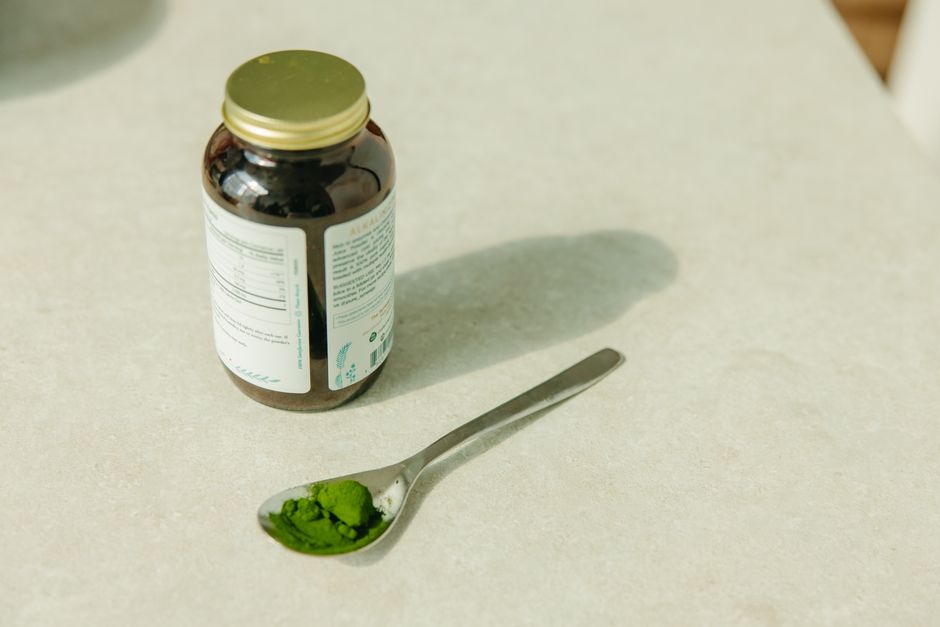
Collagen powder typically stays good for about two years past the date it was made. That shelf life applies to unopened containers stored at room temperature and kept dry. Once you open the tub, quality starts to slip sooner — most powders are best used within six to twelve months of opening, even though many stay safe to consume longer than that.
The difference between “safe” and “still good” matters here. A collagen powder can be free of harmful bacteria and still have lost the qualities you bought it for. The sections below explain how to tell the difference.
How Long Does Collagen Powder Last Before It Goes Bad?
Unopened collagen powder generally holds its quality for around two years from the manufacturing date. Most product labels carry a “best by” date rather than a true expiration date, and that date reflects quality, not safety. After it passes, the powder is not automatically dangerous — it just may not mix, dissolve, or taste the way it should.
Opened containers are a different situation. Exposure to air and moisture speeds up clumping and gradual breakdown of the protein. A practical rule many people follow is to finish an opened container within six months to a year. That is a quality guideline, not an official safety standard, because collagen powder is a dry product and dry products tend to resist bacterial growth well.
Here is where a non-obvious point helps. Collagen powder is a protein, and proteins degrade slowly through exposure to heat and moisture. That degradation does not usually create anything harmful. It mostly means the powder loses solubility and may develop an off smell or taste. So the realistic risk with old collagen is a poor product, not a dangerous one — unless moisture has let mold or bacteria take hold.
What Actually Makes Collagen Powder Go Bad?
Moisture is the main enemy. Collagen powder is hygroscopic, meaning it pulls water out of the air. Every time you open the container, humid air gets in. Over weeks and months, that moisture causes clumping and can eventually support microbial growth if enough accumulates.
Heat is the second factor. Storing powder near a stove, in a hot car, or on a sunny windowsill speeds up protein breakdown and can make clumps worse. Light plays a smaller role but can degrade some added ingredients, like vitamin C in flavored or fortified blends.
Air exposure matters too. Oxygen gradually affects the powder’s texture and smell. This is why a well-sealed container stored in a cool, dry, dark place lasts longer than one left open on the counter.
One clarification worth making: the type of collagen — whether it is labeled type I, II, or III, or described as hydrolyzed or peptides — does not meaningfully change how fast it spoils. What matters far more is the form (powder versus liquid) and how it is stored. Liquid collagen products have much shorter shelf lives and usually need refrigeration after opening, following the label’s specific instructions.
How Can You Tell If Collagen Powder Has Gone Bad?
Your senses are reliable here. Fresh collagen powder is fine and free-flowing, with little or no smell. When it starts to turn, you will usually notice changes in texture first.
- Clumping or hardening. Powder that has absorbed moisture forms lumps or a solid block. Mild clumping you can break up is usually fine, but hard caking signals moisture exposure.
- Off smell. A sour, musty, or rancid odor is a clear sign to stop using it. Fresh collagen has a very mild, sometimes faintly animal smell — that is normal.
- Changed color. Noticeable darkening or discoloration, especially any green, black, or fuzzy patches, means mold. Discard the whole container.
- Poor mixing. Powder that once dissolved easily but now clumps in liquid has likely degraded.
- Off taste. If it tastes sour or noticeably different from before, do not use it.
Any visible mold means the entire container should be thrown out. You cannot safely scoop around mold in a powder, because the invisible threads of the fungus spread throughout. This is a food safety point that applies to dry goods generally, not just collagen.
How Should You Store Collagen Powder to Make It Last?
Store collagen powder in a cool, dry, dark place with the lid sealed tightly. A pantry shelf away from the stove and away from sunlight works well for most unopened and opened containers.
Keep moisture out. Use a dry spoon, and never scoop with wet hands or a damp measuring tool. Do not store the container in the bathroom or anywhere steamy. The refrigerator is not automatically better — for a dry powder, a cool pantry is usually fine, but if you live in a very hot, humid climate, refrigeration can help, provided the container stays sealed so condensation does not form inside.
Follow the label. Some products, especially flavored blends or those with added ingredients, carry specific storage instructions. If the label says refrigerate after opening, do that. The manufacturer knows the formulation better than any general rule.
Keep the original container if you can. It is designed to seal well and carries the batch and date information. If you transfer powder to another container, label it with the date you opened it so you can track how long it has been exposed to air.
Does Collagen Powder Lose Its Benefits Over Time?
Protein does degrade with age and moisture, so older powder may be less effective than fresh powder. How much benefit is lost over time is not well documented in human studies. No large trials have measured the effects of aged versus fresh collagen on skin, joints, or other outcomes.
What the research does show is about fresh collagen, not old. Some studies suggest that hydrolyzed collagen supplements may support skin hydration and elasticity, and some indicate possible benefits for joint comfort. The evidence is moderate at best and varies by outcome. None of it tells us how a two-year-old container compares to a fresh one.
Practically, this means: if your powder is within its date and stored well, use it with reasonable confidence. If it is years past its date or has been sitting open and clumpy, the sensible choice is to replace it. You are unlikely to get the intended benefit from a degraded product, and there is no reason to gamble on a supplement that costs little to replace.
When Should You Throw Collagen Powder Out?
Throw it out if you see mold, smell something sour or rancid, or find the powder has hardened into a solid mass. Those are clear signs the product is no longer good. Do not try to salvage part of a moldy container.
Also discard it if it is well past its best-by date and shows any change in texture, smell, or color. A powder that is a little past its date but still fine, free-flowing, and neutral-smelling is generally low-risk to finish, though its quality may be reduced.
If you are unsure, the cautious choice is to replace it. Collagen powder is not an expensive product to restock, and there is no health advantage to using one that has clearly degraded. When in doubt about any food or supplement showing signs of spoilage, throwing it away is the safer path.
Frequently Asked Questions
Does collagen powder expire?
Yes, it carries a best-by date that usually reflects about two years from manufacture for unopened containers. After that date, quality declines even if the powder remains safe.
Can I use collagen powder after its expiration date?
You can if it still looks, smells, and mixes normally, though its quality may be reduced. Discard it if you see mold, smell something off, or find it has hardened.
How long does opened collagen powder last?
Most opened powder is best used within six to twelve months, kept sealed in a cool, dry place. This is a quality guideline rather than an official safety limit.
Should collagen powder be stored in the fridge?
Not usually necessary — a cool, dry pantry is fine for most products. Refrigeration can help in hot, humid climates if the container stays sealed to prevent condensation.
