
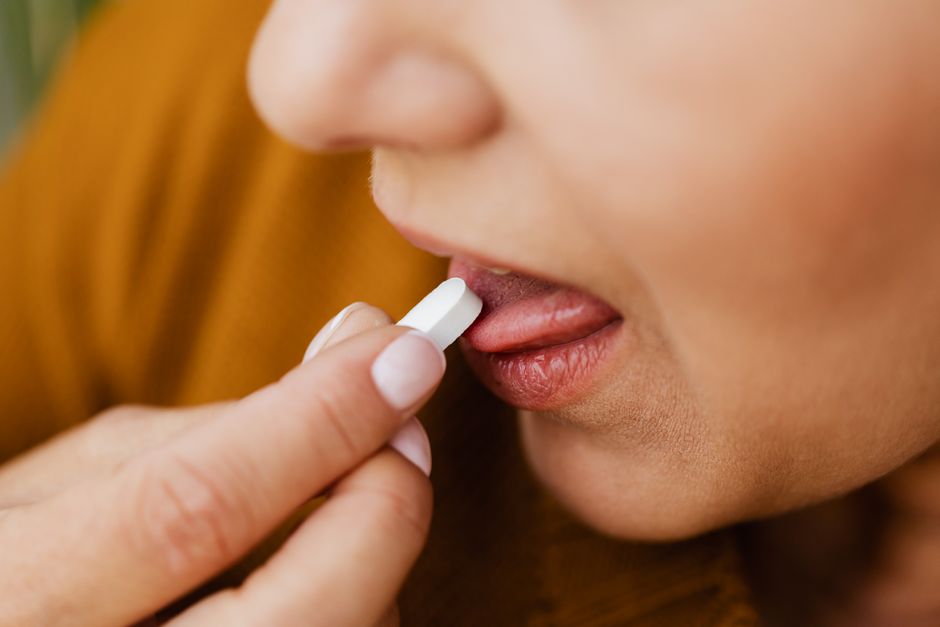
Claritin (loratadine) typically starts working within one to three hours after you take it. Most people notice their allergy symptoms begin to improve within the first hour or two. The full effect usually kicks in around three hours. It is not an instant relief medication like some older antihistamines. If you need relief within minutes, Claritin is not the right choice.
How Long Does Claritin Take To Work For Different Symptoms?
The answer depends on which symptom you are trying to treat. Claritin works best on some symptoms and less well on others. Research shows it is most effective for sneezing, runny nose, and itchy eyes. These symptoms often improve within one to two hours.
Nasal congestion is a different story. Claritin is not very strong for stuffy noses. Many people find it takes two to three hours to notice any change in congestion. Some people report it does not help congestion at all. Studies published in the Journal of Allergy and Clinical Immunology found loratadine reduces histamine release but does not do much for nasal blockage.
Skin symptoms like hives or itching from allergies can take longer. You might wait two to four hours before seeing improvement. Claritin is approved for chronic hives, but the effect on skin is slower than on nasal symptoms.
Here is a quick comparison of onset times for common symptoms:
| Symptom | Typical Onset | Peak Effect |
|---|---|---|
| Sneezing | 1-2 hours | 3-4 hours |
| Runny nose | 1-2 hours | 3-4 hours |
| Itchy eyes | 1-2 hours | 3-4 hours |
| Nasal congestion | 2-3 hours | 4-6 hours (mild) |
| Hives / skin itching | 2-4 hours | 4-6 hours |
Why Is Claritin Slower Than Other Allergy Medicines?
Claritin is a second-generation antihistamine. That means it was designed to be less sedating than older drugs like Benadryl (diphenhydramine). To achieve that, the molecule is larger and does not cross into the brain easily. That is good for avoiding drowsiness. But it also means the drug absorbs more slowly into your bloodstream.
First-generation antihistamines like Benadryl hit your system within 15 to 30 minutes. They cause drowsiness because they enter the brain. Claritin trades speed for safety. The trade-off is a slower start.
Another factor is that Claritin needs to be processed by your liver before it becomes active. The drug is actually a prodrug. Your body converts it into its active form, desloratadine. This conversion step takes time. Some newer antihistamines like Xyzal (levocetirizine) are already in active form and may work slightly faster.
What Affects How Fast Claritin Works For You?
Your individual biology plays a big role. Some people metabolize loratadine faster than others. Genetic differences in liver enzymes can change how quickly the drug activates. If you are a fast metabolizer, you might feel relief in under an hour. Slow metabolizers might wait closer to three hours.
Food matters more than most people realize. Taking Claritin with a high-fat meal can slow absorption significantly. A study in the journal Clinical Therapeutics found that taking loratadine with food increased the time to peak concentration by about one hour. If you want the fastest possible onset, take it on an empty stomach with water.
Your age also affects onset. Older adults tend to absorb drugs more slowly. Children often absorb them faster. The same dose can produce different timing in different age groups.
Body weight does not seem to change onset time much. Claritin distributes throughout the body evenly. But very low body weight might cause slightly faster absorption simply because there is less tissue to distribute through.





Does Claritin Work Faster Than Zyrtec or Allegra?
This is one of the most common questions people ask. The short answer is no. Zyrtec (cetirizine) and Allegra (fexofenadine) both tend to work faster than Claritin.
Zyrtec reaches peak effect in about one hour for most people. Some studies show noticeable symptom relief within 30 to 60 minutes. The downside is that Zyrtec causes drowsiness in about 10 to 15 percent of users. It crosses the blood-brain barrier more than Claritin does.
Allegra also works within one to two hours. It has the advantage of not being processed by the liver at all. It leaves the body unchanged, which means fewer drug interactions. For people with liver conditions or those taking multiple medications, Allegra can be a better choice.
Claritin is the slowest of the three major second-generation antihistamines. But it has the best safety profile for drowsiness. Only about 2 percent of users report sedation. If you need to stay alert and can wait a bit longer for relief, Claritin is a reasonable option.
Some people report that Claritin does not work at all for them. This is not unusual. Individual response to antihistamines varies widely. If you have tried Claritin multiple times with no effect after three hours, it might not be the right drug for your body chemistry. Trying Zyrtec or Allegra is a reasonable next step.
How Long Does One Dose of Claritin Last?
Claritin lasts about 24 hours per dose. That is why it is taken once daily. The drug has a half-life of roughly 8 to 12 hours in most people. Half-life means how long it takes for half the drug to leave your system. After 24 hours, very little remains.
The 24-hour duration is consistent for most people. Some studies show it can last up to 28 hours in slow metabolizers. In fast metabolizers, it might drop to around 20 hours. Even at 20 hours, it still covers most of the day.
Do not take Claritin more than once per day. Taking it twice will not make it work faster. It will only increase the risk of side effects like headache, dry mouth, or fast heartbeat. The drug does not accumulate in your system with once-daily dosing. It reaches steady state after about three days.
If your symptoms return before 24 hours are up, Claritin might not be strong enough for you. Some people need a different antihistamine or a combination approach with a nasal spray. Talk to your doctor if one dose does not last the full day.
What Are the Common Misconceptions About Claritin Onset?
The biggest myth is that Claritin works instantly. Many people expect allergy pills to work like pain relievers. That is not how antihistamines work. They block histamine receptors, which takes time. They do not flush histamine out of your system.
Another misconception is that chewing the tablet makes it work faster. Claritin tablets are designed to be swallowed whole. Chewing them can change how the drug is absorbed. The rapid-dissolve tablets are different — they dissolve in your mouth and are absorbed through the lining. Those can be slightly faster, but not by much. The difference is usually less than 30 minutes.
Some people believe that taking Claritin with coffee or caffeine speeds it up. There is no evidence for this. Caffeine is a stimulant and might make you feel more alert, but it does not change how fast loratadine absorbs or activates. If anything, caffeine can dehydrate you, which might make dry mouth from Claritin worse.
A dangerous misconception is that more pills work faster. Taking two Claritin tablets at once does not speed onset. It increases the risk of side effects without improving symptom relief. The maximum approved dose is 10 mg once daily. Higher doses have not been shown to be more effective in clinical trials.
Frequently Asked Questions
Frequently Asked Questions
Can I take Claritin on an empty stomach for faster results?
Yes. Taking Claritin on an empty stomach with water allows it to absorb faster. Food can delay the onset by about one hour.
Does Claritin work faster than Benadryl?
No. Benadryl works within 15 to 30 minutes but causes significant drowsiness. Claritin is slower but much safer for daily use.
How long should I wait before taking another antihistamine if Claritin does not work?
Wait at least three to four hours to see if Claritin takes effect. If symptoms are severe, you can switch to a different antihistamine the next day.
Does Claritin work the first time you take it?
Yes. Claritin starts working with the first dose. It does not need to build up in your system over several days to be effective.
