
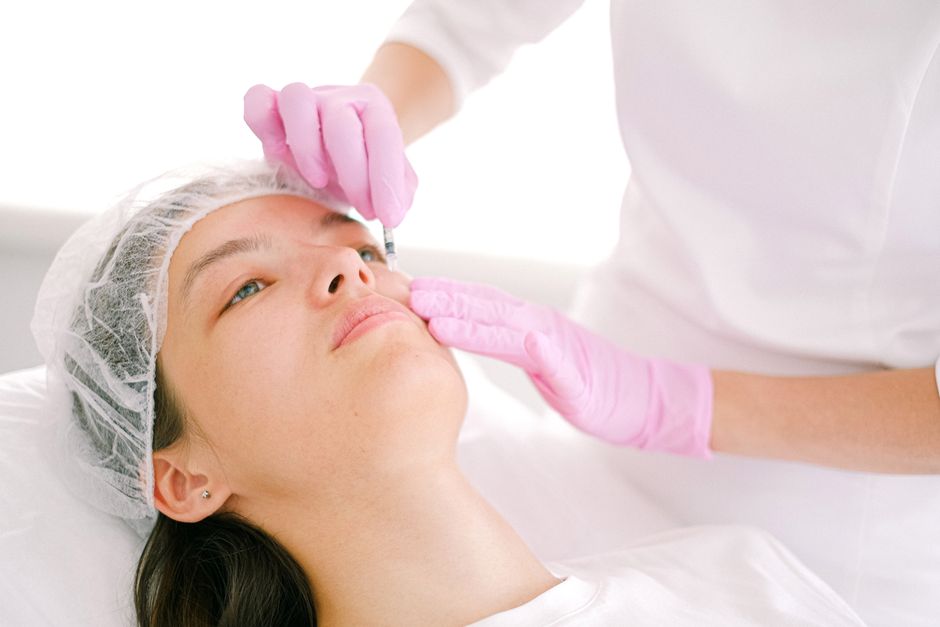
Botox results are not permanent. For most people, the visible effects last between three and four months. This is a well-established finding from decades of clinical use and research. The timeline can vary slightly from person to person, but planning for a touch-up every three to four months is the most realistic expectation.
How Long Does Botox Last on Average?
The standard duration for Botox is three to four months. Some people see effects fade closer to the two-month mark. Others enjoy results for five months or slightly longer. The three-to-four-month window is the most common outcome reported in clinical practice.
This timeline applies to the most common uses, including forehead lines, crow’s feet, and frown lines between the eyebrows. The duration depends on the specific product, the dose used, and how your individual body metabolizes the protein.
Why Does Botox Wear Off?
Botox works by temporarily blocking nerve signals to the injected muscle. The active ingredient is a purified protein called botulinum toxin type A. When injected, it prevents the nerve from telling the muscle to contract. The muscle stays relaxed, and the overlying skin smooths out.
Your body does not keep the protein forever. Over time, your nervous system grows new nerve endings. These new endings re-establish the connection to the muscle. Once that connection is restored, the muscle can contract again, and wrinkles gradually return to their pre-treatment appearance.
This is a natural biological process. It is not a sign that the treatment failed. It simply means the effect has run its course.
Does Botox Last Longer With Repeated Use?
Some patients report that results last longer after several rounds of treatment. This is a common observation, but the evidence is not uniform. Some research suggests that repeated injections may lead to longer-lasting results because the muscle becomes trained to stay relaxed.
Other studies do not confirm this effect. The difference may come down to individual biology, injection technique, or dosing patterns. If you notice your results lasting longer after repeated treatments, that is a positive outcome. But do not count on it. The three-to-four-month average remains the most reliable estimate.




What Factors Affect How Long Botox Lasts?
Several variables influence the duration of your results. Understanding these can help you set realistic expectations.
- Metabolism: People with faster metabolisms clear the protein more quickly. This can shorten the duration of effects.
- Dose: Higher doses generally last longer. Your provider determines the dose based on the muscle strength and the area being treated. More is not always better. Higher doses carry a higher risk of side effects.
- Muscle strength: Stronger, more active muscles may break down the effect faster. Younger patients with robust muscle tone sometimes see results fade sooner.
- Treatment area: Some areas respond differently. Forehead injections often last slightly longer than injections around the mouth, where muscle activity is constant.
- Provider skill: Precise injection placement matters. A skilled provider targets the correct muscle layer. Poor placement can lead to shorter duration or uneven results.
- Product variation: Botox is one brand of botulinum toxin type A. Other brands include Dysport, Xeomin, and Jeuveau. These are similar but not identical. Duration can vary slightly between them.
How Can You Make Botox Last Longer?
There is no proven way to significantly extend the duration of a single Botox session. Some strategies may help, but the evidence is limited.
Staying consistent with your treatment schedule is the most practical approach. Getting injections before the previous effects fully wear off may help maintain smoother skin. Many providers recommend scheduling follow-up appointments at the three-month mark rather than waiting until all movement returns.
Avoiding excessive heat exposure immediately after treatment is sometimes advised. Saunas, steam rooms, and intense exercise can increase blood flow, which may theoretically speed up metabolism of the protein. The evidence for this is weak, but it is a low-cost precaution.
Some small studies have explored whether certain supplements or dietary changes affect Botox duration. No reliable clinical evidence currently confirms that any supplement extends results. Treat any product that claims to prolong Botox with skepticism.
What Happens When Botox Wears Off?
When the effects fade, your wrinkles return to their baseline appearance. This happens gradually, not all at once. You may notice small movements returning first, followed by a slow increase in muscle activity.
There is no damage to the muscle or skin from the treatment wearing off. The changes are fully reversible. Your face returns to its natural state, and you can choose to get another round of injections if you wish.
Some people worry that stopping Botox will make their wrinkles worse than before. This is not accurate. Your skin will look the same as it would have if you never received treatment. The aging process continues, but Botox does not accelerate it.
Is Botox Safe?
Botox has been used for cosmetic purposes for decades. It has a strong safety record when administered by a qualified professional. Common side effects include temporary redness, swelling, or bruising at the injection site. These typically resolve within a few days.
More serious side effects are rare but possible. These include drooping eyelids, uneven eyebrows, or difficulty swallowing if the toxin spreads beyond the injection site. These risks increase with improper technique or incorrect dosing.
Botox is not recommended during pregnancy or while breastfeeding. No clinical guidelines currently exist for this population. If you are pregnant, planning to become pregnant, or nursing, discuss this with your healthcare provider before considering Botox.
Always seek treatment from a licensed medical professional with experience in cosmetic injections. This is not a procedure to bargain-hunt. The skill of the injector directly affects both your results and your safety.
Botox vs. Other Options
Botox is not the only option for reducing facial wrinkles. Understanding the alternatives can help you make an informed choice.
Dermal fillers work differently. Fillers add volume beneath the skin to plump up wrinkles and folds. They do not relax muscles. Results can last anywhere from six months to two years, depending on the product. Fillers are commonly used for nasolabial folds, lips, and cheek volume loss.
Laser resurfacing stimulates collagen production by removing the outer layer of skin. Results develop gradually over several months and can last a year or more. This option addresses skin texture and tone rather than muscle movement.
Topical treatments like retinoids can improve fine lines over time. They are much less effective for deep wrinkles caused by muscle movement. Results take months to appear and require consistent use.
Each option has its own timeline, cost, and risk profile. A consultation with a dermatologist or plastic surgeon can help determine which approach fits your goals.
How Much Does Botox Cost?
Botox is priced per unit. The number of units needed varies by treatment area. Forehead lines might require 10 to 30 units. Crow’s feet might need 10 to 20 units per side. Frown lines typically require 20 to 25 units.
Prices vary widely by geographic region and provider. Costs also reflect the provider’s experience and the clinic’s overhead. Be cautious of prices that seem significantly lower than the local average. Bargain Botox often means diluted product or an inexperienced injector.
When Should You Schedule Your Next Appointment?
Most providers recommend scheduling your next appointment around the three-month mark. This timing keeps the muscle consistently relaxed and may help maintain smoother results over time.
If you prefer to let the effects fully wear off between sessions, that is also a valid choice. There is no medical requirement to maintain a strict schedule. The decision depends on your aesthetic goals and budget.
Pay attention to how your face responds. If you notice your results lasting only two months, tell your provider. They may adjust the dose or injection technique. If your results last five months, you can schedule accordingly.
Frequently Asked Questions
Does Botox last longer the more you get it?
Some people report longer-lasting results with repeated treatments, but the evidence is not consistent. The three-to-four-month average remains the most reliable estimate for most people.
Can you make Botox wear off faster?
Intense exercise, saunas, and facial massage immediately after treatment may theoretically speed up metabolism of the protein. The evidence is limited, but avoiding these activities for 24 hours after injection is a common precaution.
What happens if you stop getting Botox?
Your wrinkles gradually return to their baseline appearance over several months. Stopping Botox does not make wrinkles worse than they would have been without treatment.
Is Botox painful?
Most people describe the sensation as a quick pinch. The needles are very fine, and many providers use a topical numbing cream before injection. Discomfort is typically minimal and brief.
