
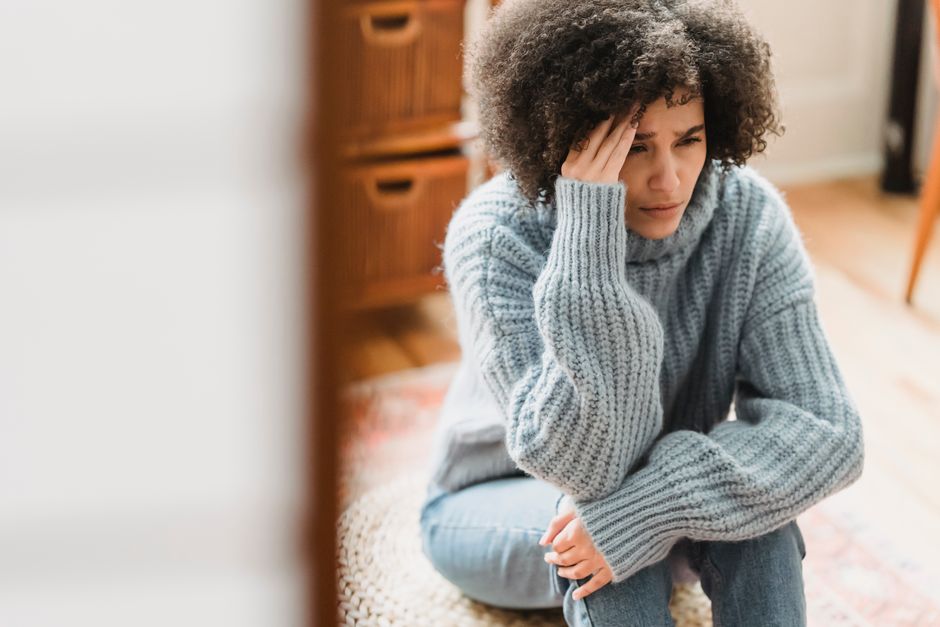
Quitting alcohol often brings on a wave of anxiety that can feel worse than the hangovers you were trying to escape. For most people, this spike in anxiety begins within the first few days after their last drink and typically starts to ease within one to two weeks. However, the full timeline varies widely, and some people experience lingering anxiety for several months as their brain chemistry slowly rebalances.
Why Does Quitting Drinking Cause Anxiety?
Alcohol is a central nervous system depressant. It works by enhancing the effects of GABA, a neurotransmitter that slows brain activity and produces calm and relaxation. When you drink regularly, your brain adapts to this constant flood of calming signals by becoming less sensitive to GABA and by increasing the activity of glutamate, a stimulating neurotransmitter.
When you stop drinking, your brain is left in an overstimulated state. Glutamate activity stays high while GABA activity is still suppressed. This chemical imbalance is the direct biological cause of the racing heart, sweaty palms, and overwhelming dread that many people experience in early sobriety. This is not a psychological weakness — it is a measurable shift in brain chemistry.
What Is the Typical Timeline for Anxiety After Quitting Drinking?
The first 72 hours are usually the most intense. During this acute withdrawal window, anxiety can be severe and may come with physical symptoms like elevated heart rate, tremors, and difficulty sleeping. These symptoms peak around 24 to 72 hours after the last drink for most people.
After the first week, the most severe physical symptoms begin to fade. Many people report that their baseline anxiety drops noticeably between day 7 and day 14. Sleep often improves during this period, which directly reduces anxiety levels.
By the one-month mark, most people who did not have an anxiety disorder before drinking will notice a significant reduction in anxiety. The brain’s GABA and glutamate systems begin to rebalance, though full recovery of neurotransmitter function can take several months.
Some research suggests that anxiety can persist for three to six months in people who drank heavily for many years. This is sometimes called protracted withdrawal or post-acute withdrawal syndrome (PAWS). During this phase, anxiety may come in waves rather than being constant. A good week may be followed by several anxious days without an obvious trigger.
Does Alcohol Withdrawal Anxiety Last Longer for Heavy Drinkers?
Yes. The duration and intensity of withdrawal anxiety are directly related to how long and how heavily a person drank. Someone who drank heavily for a decade will generally experience a longer and more intense anxiety phase than someone who drank moderately for a few years.
Several factors influence how long anxiety lasts:
- Duration of alcohol use — years of drinking create deeper neurochemical changes
- Average daily intake — higher consumption produces stronger rebound effects
- Presence of pre-existing anxiety disorders — these often resurface without alcohol’s numbing effect
- Age — older brains may take longer to rebalance neurotransmitter systems
- Genetics — some people naturally produce less GABA or more glutamate
People who used alcohol specifically to manage social anxiety or panic symptoms often find that their original anxiety returns quickly once they stop drinking. The alcohol was masking the underlying condition, not treating it. For these individuals, anxiety may not fully resolve without targeted treatment for the underlying anxiety disorder.
-
 Can Drinking Coffee Give You Anxiety? What’s Actually True
 -
Is Magnesium Glycinate Good for Anxiety? What Experts Say
-
Can Anxiety Affect Blood Sugar Levels? Here’s What to Know
-
Can Anxiety Raise Blood Sugar in Non Diabetics? The Real Answer
-
Neuro Prime Reviews 2026: Is Brain Supplement Scam or Legit?

How Can You Tell Normal Withdrawal Anxiety From an Anxiety Disorder?
Normal withdrawal anxiety follows a predictable curve. It is worst in the first week, gradually improves, and largely resolves within a month. It tracks with physical withdrawal symptoms like sweating, tremors, and insomnia.
An anxiety disorder is different. It persists or worsens after the physical withdrawal phase ends. It may have been present before drinking started. It interferes with daily functioning — work, relationships, basic tasks — even after several months of sobriety.
A useful question to ask: Is the anxiety improving week over week? If you are three months sober and your anxiety is as intense as it was in week one, that is not typical withdrawal. That pattern suggests an underlying anxiety condition that needs professional evaluation.
What Actually Helps Reduce Anxiety During Early Sobriety?
Time is the primary treatment. The brain will rebalance on its own, but the process can be uncomfortable. Several evidence-based strategies can make the period more manageable.
Regular aerobic exercise is one of the most effective tools. Exercise increases GABA activity naturally and releases endorphins. Even a 20-minute walk can temporarily reduce anxiety symptoms.
Consistent sleep matters more than most people realize. Alcohol disrupts sleep architecture, and the first weeks of sobriety often include poor sleep quality. Keeping a regular sleep schedule helps the brain reset its stress response systems.
Caffeine reduction is often overlooked. Caffeine and alcohol withdrawal anxiety share similar mechanisms — both involve elevated sympathetic nervous system activity. Reducing caffeine intake during the first month of sobriety can prevent unnecessary spikes in anxiety.
Mindfulness and slow breathing techniques have solid evidence for reducing anxiety symptoms. Slow breathing at about six breaths per minute activates the parasympathetic nervous system and can lower heart rate within minutes.
Nutritional support matters but is often overstated in popular content. Maintaining stable blood sugar through regular meals can prevent hypoglycemia-related anxiety symptoms. There is no specific vitamin or supplement with strong evidence for speeding up GABA recovery.
When Should You Seek Medical Help for Anxiety After Quitting Drinking?
Severe withdrawal can be dangerous. Anyone who experiences confusion, hallucinations, extreme agitation, or seizures needs emergency medical care. These symptoms indicate a condition called delirium tremens, which can be life-threatening.
For anxiety specifically, seek professional help if:
- Anxiety does not improve after two to three weeks of sobriety
- Anxiety interferes with basic daily activities
- You experience panic attacks that last longer than 10 minutes
- You feel unable to leave the house or be around other people
- You have thoughts of self-harm or suicide
- You are considering drinking again just to relieve the anxiety
Medical providers can offer several options. Some people benefit from short-term anti-anxiety medication during the withdrawal phase. Others do well with therapy approaches like cognitive behavioral therapy (CBT), which teaches specific skills for managing anxious thoughts without alcohol.
It is important to be honest with a doctor about your drinking history. The amount and duration of alcohol use affects medication choices. Some anti-anxiety medications interact dangerously with alcohol and with each other.
Does Anxiety After Quitting Drinking Come Back Later?
For many people, anxiety does not return once it resolves. The brain rebalances, sleep normalizes, and the nervous system returns to its baseline state. People who were not anxious before drinking often find that their post-sobriety anxiety level is actually lower than it was while they were drinking.
For others, anxiety returns in specific situations. Social events, stressful work periods, or relationship conflicts can trigger anxious feelings that were previously managed with alcohol. This is not a return of withdrawal anxiety — it is the normal experience of facing life without a numbing agent.
Relapse is a real risk during anxious periods. The brain remembers that alcohol provides rapid relief from anxiety, even though that relief is temporary and followed by worse anxiety later. Recognizing this pattern is the first step in breaking it.
Long-term data on anxiety after quitting drinking is generally encouraging. Studies show that sustained sobriety is associated with gradual improvements in mental health outcomes, including anxiety. The most significant improvements appear in the first year, but continued gains occur over several years.
Frequently Asked Questions
Can anxiety last for months after quitting drinking?
Yes, some people experience anxiety for three to six months after quitting, especially if they drank heavily for many years. This is called protracted withdrawal and usually comes in waves rather than being constant.
What day is anxiety worst after quitting alcohol?
Anxiety typically peaks between 24 and 72 hours after the last drink. This is the acute withdrawal window when brain chemistry is most imbalanced.
Does quitting alcohol reduce anxiety permanently?
For people without a pre-existing anxiety disorder, quitting alcohol usually leads to lower long-term anxiety levels. For people who used alcohol to manage an underlying anxiety condition, the anxiety often returns and may need professional treatment.
How can I tell if my anxiety is withdrawal or something else?
Withdrawal anxiety follows a clear pattern — it is worst in the first week and improves steadily after. If anxiety remains severe after several months of sobriety or interferes with daily functioning, it likely represents a separate anxiety condition that needs evaluation.
