
Most iron infusions take between 15 minutes and 4 hours, depending on which iron product is used and how much iron you need. The actual drip time is only part of the visit. You should plan for the full appointment to run longer, because staff typically observe you for a period after the infusion ends to watch for reactions. For many patients, the total time from check-in to leaving is somewhere between one and five hours.
How Long Does An Iron Infusion Take From Start To Finish?
The infusion itself is usually the shortest part of the visit. The time is set mainly by the iron product your clinician chooses.
Some modern formulations are designed to deliver a larger dose in a shorter window. Others are older products that must be given more slowly, often over several hours, because faster delivery raises the risk of side effects. Your dose matters too. A small dose finishes sooner than a large one, even with the same product.
Then there is the observation period. Clinical practice is to keep you monitored for a while after the drip stops, because most infusion reactions, when they happen, tend to occur during or shortly after administration. The length of that watch period varies by clinic and by product. Some settings observe for around 30 minutes. Others watch longer, especially with certain formulations or if you have had a reaction before.
Add check-in, placing the IV line, and paperwork, and the whole visit stretches well beyond the drip time. If you are planning your day, ask the infusion center for their typical total visit length for your specific product and dose. That estimate will be far more useful than a general number.
Why Do Different Iron Infusions Take Different Amounts Of Time?
The speed limit for each product comes down to safety. Iron given intravenously bypasses your gut and goes directly into the bloodstream. That is efficient, but it also means the body is exposed to iron faster than it would be from food or pills.
Older iron formulations contain iron that can release more readily into the blood, which is linked to a higher chance of reactions. Those products are given slowly and in smaller doses. Newer formulations hold the iron more tightly until it reaches the cells that store and use it. That design allows larger doses over shorter periods, and it is why some infusions now take well under an hour while others still take hours.
This is a genuine advance, not marketing noise. The shift toward shorter infusion times reflects real changes in how the products are engineered. But shorter does not automatically mean better for every person. Your clinician picks the product based on your dose needs, your history, and what the clinic stocks and monitors safely.
What Happens During An Iron Infusion?
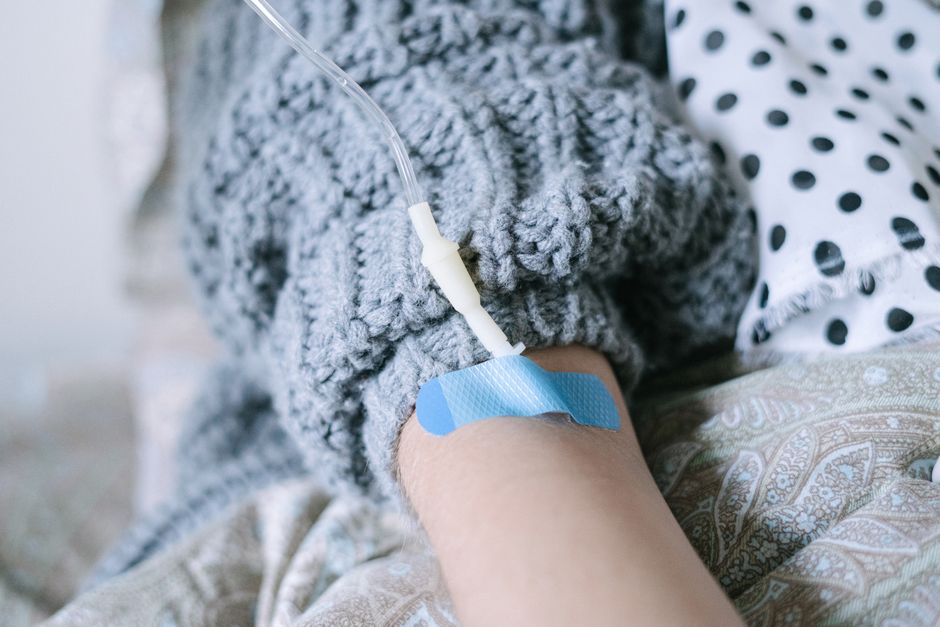
You will sit or recline while a nurse places a small IV line, usually in your arm. The iron solution drips in through that line. You can read, work, or rest during this time.
Staff check on you periodically. They are watching for signs of an infusion reaction, which can include flushing, itching, rash, dizziness, or chest discomfort. Most infusions pass without any of this. When reactions do occur, they are usually mild and manageable, and having trained staff nearby is exactly why the infusion is done in a clinical setting rather than at home.
Some people notice a metallic taste during the infusion. Others feel nothing at all. After the drip finishes, the line is removed and you are observed before discharge.
Is It Painful?
The IV placement feels like a brief pinch, similar to getting blood drawn. The infusion itself is not painful. Some people feel a cool sensation in the arm as the fluid goes in. If you feel burning, pain, or swelling around the IV site, tell the nurse right away, because that can signal the line needs adjusting.
How Long Does It Take For An Iron Infusion To Work?
The infusion replaces iron stores quickly, but feeling better is a separate process. Many people notice improvement in fatigue within days to a couple of weeks. A fuller response, including correction of anemia, typically develops over several weeks as your body uses the iron to build new red blood cells.
Red blood cells have a lifespan of about 120 days, and your body is constantly replacing them. The infused iron gives your bone marrow the raw material to make hemoglobin, the protein that carries oxygen. That manufacturing takes time. A blood test a few weeks after the infusion usually shows whether hemoglobin and iron stores are responding.
Some people feel dramatically better. Others notice a slower, steadier improvement. Response depends on how depleted you were, why you were depleted, and whether the underlying cause is being addressed. If you have ongoing blood loss or a condition that keeps draining iron, the infusion refills the tank but does not fix the leak. That is why finding the cause matters as much as the treatment.
What Affects How Long Your Appointment Will Be?
Several practical factors change the length of your visit beyond the product itself.
- Dose size: A larger dose of iron takes longer to deliver than a small one.
- Product type: Formulations differ in how fast they can safely be given.
- Observation policy: Clinics vary in how long they monitor you afterward.
- Your history: A prior reaction or certain health conditions may call for slower delivery and longer watching.
- First versus later visits: Some clinics observe new patients more closely on their first infusion.
- Clinic workflow: Check-in, line placement, and discharge add time at every visit.
If you need more iron than a single dose provides, you may need a series of infusions over several weeks. Each visit carries its own time cost. Ask up front how many sessions your treatment plan involves so you can plan around work or caregiving.
What Are The Risks And Side Effects?
Most people tolerate iron infusions well. The most common side effects are mild and temporary, such as headache, nausea, or a change in taste. Some people feel a bit flushed or lightheaded during the infusion.
Serious reactions are uncommon but possible. These can include allergic-type reactions and, rarely, more severe events. This is why infusions are given under supervision with staff trained to respond. If you have had a reaction to iron before, tell your care team, because it changes how they plan your infusion.
One point worth separating from the marketing: oral iron pills and intravenous iron are not interchangeable, and one is not universally better. Pills are effective for many people and are far less invasive. Infusions are generally used when pills are not tolerated, not absorbed well, or not enough on their own, or when iron needs to be replaced quickly. The right choice depends on your situation, and it is a conversation to have with your clinician rather than a decision to make from a search result.
How Should You Prepare For The Day?
Wear clothing with sleeves that allow easy access to your arm. Bring something to pass the time, since even a short infusion involves waiting. Eat and drink normally unless your care team tells you otherwise.
Arrange a ride if there is any chance you will feel lightheaded afterward, and ask in advance whether the clinic requires it. Tell staff about all medications and supplements you take, and mention any past reaction to iron. Plan more time than you think you need for your first visit, then adjust once you know how your body and your clinic handle it.
Frequently Asked Questions
How long does a single iron infusion take?
The drip itself usually ranges from about 15 minutes to 4 hours, depending on the iron product and dose. Your total visit will be longer because of check-in, IV placement, and a post-infusion observation period.
Can I drive myself home after an iron infusion?
Many people can, but some clinics ask you to arrange a ride, especially if you have felt lightheaded after past infusions. Ask your infusion center what they require before your appointment.
How soon will I feel better after an iron infusion?
Many people notice less fatigue within days to a couple of weeks, though full correction of anemia usually takes several weeks. Blood tests can confirm how well your body is responding.
Why do some iron infusions take hours and others under an hour?
The difference comes mainly from the iron formulation and how safely it can be delivered at speed. Newer products can often be given faster, while older ones require slower delivery and longer observation.
