
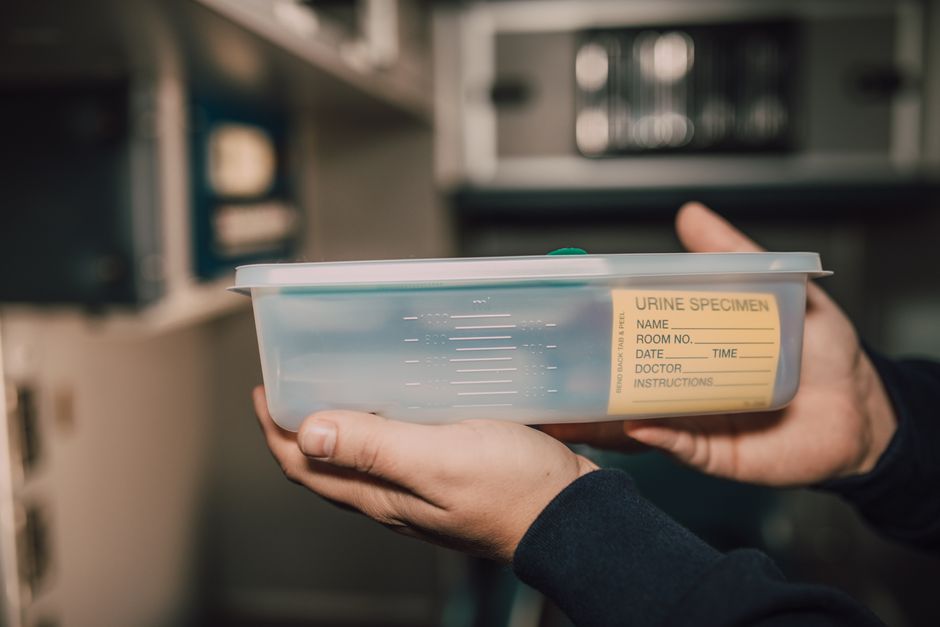
A urine culture for a urinary tract infection (UTI) usually takes 24 to 48 hours to show a result. In some cases, it can take up to 72 hours if the lab needs extra time to identify the bacteria or test which antibiotics work against it. The sample itself takes only minutes to give, but the lab work behind the result is what takes a day or two.
How Long Does a Urine Culture Take for UTI?
The short answer is 24 to 48 hours for a preliminary result, with up to 72 hours for a final one. That range is standard across most clinical labs in the United States.
Here is why it takes that long. A urine culture is not a quick chemical test. It is a growth experiment. The lab places a small amount of your urine on a plate of nutrients that bacteria like to eat. Then it waits.
If bacteria are present, they multiply. Within about 24 hours, enough of them have grown to be seen. The lab technician can then look at the plate and see whether anything grew. That first look gives a preliminary answer.
But the lab is not done. It still needs to know which bacteria are growing and which antibiotics will kill them. That step takes more time. The lab may grow the bacteria in the presence of different antibiotics to see which ones stop the growth. This is called a susceptibility test, and it often pushes the total time closer to 48 or 72 hours.
So when people ask how long a urine culture takes for a UTI, the honest answer depends on what you mean by “result.” A first signal can appear in a day. A complete answer, including the best antibiotic to use, can take up to three days.
What Happens to Your Urine Sample After You Give It?
Your sample goes through a set order of steps, and each one adds time to the clock.
- Collection. You provide a clean-catch urine sample, usually at a clinic or lab. This takes a few minutes.
- Transport. The sample is sent to the lab. Timing here depends on how far the lab is and how the samples are batched.
- Plating. A technician places a measured amount of urine onto culture plates. This happens the same day in most labs.
- Incubation. The plates sit in a warm environment for 24 to 48 hours to let any bacteria grow.
- Identification. If bacteria grow, the lab identifies the type. This can take another day.
- Susceptibility testing. The lab tests antibiotics against the bacteria to guide treatment. This adds more time.
Some labs use automated systems that can speed up parts of this process. Others still rely on traditional methods. The 24 to 48 hour window reflects the biology of bacterial growth, and that biology sets a floor on how fast the result can come.
One detail worth knowing: not every urine sample gets cultured. Many UTIs are diagnosed and treated based on symptoms and a faster test called a urinalysis, which can be done in minutes. A culture is often reserved for cases that are complicated, recurrent, or not responding to treatment.
Why Doesn’t the Lab Just Give an Answer Right Away?
Because bacteria have to grow before anyone can see them. There is no shortcut around that.
A urinalysis, which is a different test, looks for signs of infection directly in the urine. It can detect things like white blood cells, nitrites, and leukocyte esterase. That test can be done in under an hour and often guides the first treatment decision.
A culture answers a different question. It tells you whether living bacteria are actually present, what kind they are, and what will kill them. To answer that, the bacteria must multiply to visible numbers. That is why the culture is slower.
The two tests are not competing. They do different jobs. A urinalysis gives a fast signal. A culture gives a precise one. Clinicians often use the fast test to start treatment and the slow test to confirm and adjust it.




Will You Get Treatment Before the Culture Comes Back?
Often, yes. This is common and expected.
When someone has clear symptoms of a UTI — burning with urination, a frequent urge to go, cloudy urine — a clinician may start antibiotics before the culture result is ready. Waiting two or three days to treat a symptomatic infection would not make sense in most cases.
The culture then serves as a check. If the bacteria turn out to be resistant to the first antibiotic, the clinician can switch to one the lab confirms will work. If no bacteria grow at all, the clinician may reconsider whether a UTI was the right diagnosis.
This is why cultures matter most for infections that are severe, keep coming back, or do not improve with the first round of treatment. In those situations, knowing the exact bacteria and its antibiotic sensitivities changes the plan.
What Can Make a Urine Culture Take Longer?
Several things can push a result past the usual window.
- Slow-growing bacteria. Some organisms multiply more slowly and need more time to appear on the plate.
- Mixed growth. If more than one type of bacteria grows, the lab may need extra steps to sort out which one matters.
- Contamination. If the sample picked up bacteria from the skin, the lab may need to repeat the culture, which restarts the clock.
- Weekends and holidays. Labs that batch their work may run fewer cultures on certain days, adding delay.
- Low bacterial numbers. A small amount of bacteria can take longer to grow to detectable levels.
Contamination is more common than many people realize. It is one reason clean-catch instructions matter. Collecting the sample correctly the first time can save you a repeat test and several extra days.
How Does This Compare to Other UTI Tests?
The table below shows the general timeline for the main tests used with UTIs. These are typical ranges, and exact times vary by lab.
| Test | What It Looks For | Typical Time to Result |
|---|---|---|
| Urinalysis | Signs of infection like white blood cells and nitrites | Under 1 hour |
| Urine culture | Living bacteria and their type | 24 to 48 hours |
| Susceptibility testing | Which antibiotics kill the bacteria | Adds 24 to 48 hours |
The pattern is simple. The faster the test, the less detail it gives. The urinalysis tells you an infection may be present. The culture tells you exactly what is causing it and how to treat it. You trade speed for precision.
What Should You Do While You Wait?
Follow the plan your clinician gives you. If you were started on an antibiotic, take it as directed. If you were told to wait for results before starting treatment, watch your symptoms.
Seek medical care promptly if symptoms get worse rather than better. Warning signs that need urgent attention include fever, chills, pain in your back or side, nausea, and vomiting. These can suggest the infection has moved to the kidneys, which is a more serious situation than a simple bladder infection.
Do not stop an antibiotic early just because you feel better. Finishing the prescribed course is the standard advice, though the ideal duration is something clinicians continue to study. Ask your clinician what they recommend for your specific case.
One more point worth being clear about: a urine culture is a tool, not a diagnosis on its own. Results are read alongside your symptoms and history. A culture that grows bacteria does not always mean you have an infection that needs treatment, and a culture that grows nothing does not always rule one out. Context matters.
Frequently Asked Questions
How long does a urine culture take to come back?
A urine culture usually comes back in 24 to 48 hours, and up to 72 hours if antibiotic sensitivity testing is needed. The exact time depends on the lab and how fast the bacteria grow.
Can a urine culture show results in 24 hours?
Yes, a preliminary result can appear in about 24 hours if bacteria grow quickly. A complete result that identifies the bacteria and the best antibiotic often takes longer.
Do you get antibiotics before the culture result is ready?
Often yes, especially when UTI symptoms are clear. Clinicians may start treatment right away and adjust it once the culture result is available.
What does it mean if a urine culture is positive?
A positive culture means bacteria grew from your sample. It does not always mean you need treatment, so results are interpreted along with your symptoms and medical history.
