
A temporary dental filling is not built to last. Most are designed to hold for a few weeks to a few months. The exact time depends on the material used, where the filling is placed, and how well you care for it. In most cases, your dentist will replace it with a permanent filling or crown within a month or two. If you leave it in too long, it can break, leak, or allow decay to form underneath.
Why Do Dentists Use Temporary Fillings?
Temporary fillings serve a specific purpose. They protect the tooth while it heals or while you wait for a permanent restoration. Dentists use them after root canals, when decay is too deep for a single visit, or when a permanent crown is being made in a lab.
The material is softer than permanent filling material. That makes it easy to remove later. But it also means it wears down faster. Temporary fillings are not meant to handle years of chewing pressure.
Some temporary fillings contain medication. This is common after root canal treatment. The medication helps calm the nerve and prevent infection while the tooth settles. Leaving the filling in too long can cause the medication to wear off before the tooth is ready for its permanent restoration.
How Long Does A Temporary Dental Filling Last?
Most temporary fillings last between two and six weeks. Some can last up to three months if they are small and in a low-pressure area of the mouth. But you should not plan on keeping one longer than your dentist recommends.
Your dentist will tell you exactly when to come back. That appointment is not optional. It is part of the treatment plan. Skipping it can lead to more serious problems, including infection or damage to the tooth structure.
The location of the filling matters. A temporary filling on a front tooth faces less chewing force than one on a molar. Molars take the brunt of grinding and chewing. Fillings there tend to wear out faster.
Your diet also plays a role. Hard foods, sticky candies, and chewing gum can pull at the temporary material. Even if the filling feels fine, it may be weakening internally.
What Happens If A Temporary Filling Falls Out?
A temporary filling can fall out completely. It can also crack or wear down to the point where it no longer seals the tooth. When that happens, the inside of your tooth is exposed to bacteria, food, and temperature changes.
If your filling falls out, call your dentist right away. Do not wait for your scheduled appointment. The longer the tooth stays open, the higher the risk of decay and infection.
In the meantime, keep the area clean. Rinse gently with warm salt water. Avoid chewing on that side of your mouth. Some drugstores sell temporary filling kits, but these are only a short-term stopgap. They are not a substitute for professional care.
Pain is a warning sign. If the tooth becomes sensitive to hot or cold, or if you feel a sharp edge with your tongue, the filling may be failing. Do not ignore these signs.
Can A Temporary Filling Last Longer Than Expected?
Sometimes a temporary filling holds up well beyond the expected window. This does not mean it is safe to keep it indefinitely. The material degrades from the inside out. It can look fine on the surface while bacteria are already leaking underneath.
Once a temporary filling starts to break down, it no longer forms a tight seal. Saliva and bacteria can get between the filling and the tooth. This creates an environment where decay can grow silently. By the time you feel pain, the damage may already be significant.
There is also the question of the tooth itself. A tooth prepared for a crown has been shaped down. It is weaker than a natural tooth. The temporary filling and crown protect it from fracture. Leaving it unprotected for too long increases the risk of breaking the tooth.
Do not try to extend the life of a temporary filling. Follow the timeline your dentist gave you.
How To Care For A Temporary Filling
Good care can help a temporary filling last until your next appointment. But it will not make it permanent. Here is what actually helps:
- Chew on the opposite side of your mouth
- Avoid sticky foods like caramel, taffy, and gum
- Avoid hard foods like nuts, ice, and hard candies
- Brush gently around the area
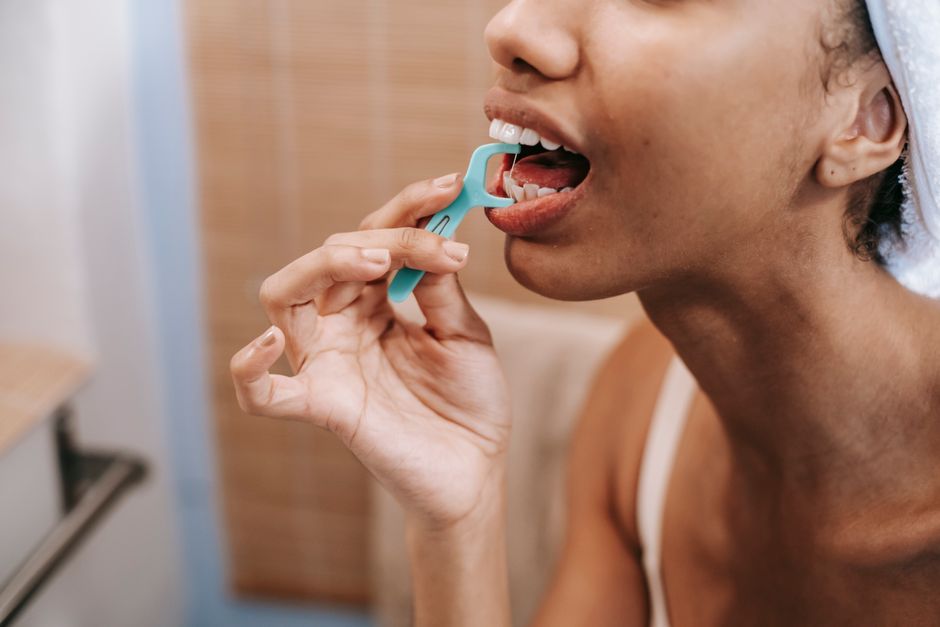
- Floss carefully — pull the floss out sideways instead of popping it up
Some tooth sensitivity is normal for the first day or two. Mild discomfort when biting down can also happen. But sharp pain, swelling, or a bad taste in your mouth are not normal. These can mean the filling has failed or an infection is developing.
If you grind your teeth at night, mention it to your dentist. Grinding puts extra stress on a temporary filling. Your dentist may recommend a night guard or schedule your permanent restoration sooner.
What Replaces A Temporary Filling?
The replacement depends on why you got the temporary filling in the first place. After a root canal, most teeth need a crown. A crown covers the entire tooth and protects it from cracking. A large cavity that was too deep for a single visit may be filled with a permanent composite or amalgam filling.
Sometimes a dentist uses a temporary filling to see how a tooth responds to treatment. If the tooth stays calm and pain-free, the permanent restoration can proceed. If the tooth becomes painful, further treatment may be needed before the permanent filling is placed.
The permanent restoration is stronger and designed to last for years. But even permanent fillings and crowns need good oral hygiene. They do not protect you from decay in other parts of the tooth.
When To Call Your Dentist Immediately
Some signs mean you should not wait for your scheduled appointment. Call your dentist the same day if you notice any of the following:
- The filling is completely gone
- You have throbbing pain that does not stop
- Your face or gum swells
- You taste metal or medicine constantly
- The tooth feels loose
These symptoms can indicate infection or damage to the tooth structure. Early treatment is simpler and less expensive than waiting. A temporary filling that fails is not an emergency in most cases, but it does need prompt attention.
If your dentist’s office is closed, leave a message. Many offices have an on-call dentist for urgent problems. Use the after-hours number if the situation is serious. For true emergencies — difficulty breathing or swallowing — go to an emergency room.
Can You Eat Normally With A Temporary Filling?
You can eat, but not normally. Soft foods are safest. Think pasta, eggs, yogurt, soup, and cooked vegetables. Cut food into small pieces before eating. Take smaller bites and chew slowly.
Avoid anything that could pull the filling out. This includes chewing gum, dried fruit, and chewy bread. Also avoid anything hard enough to crack the filling, like popcorn kernels or hard pretzels.
Temperature sensitivity is common. The temporary material does not insulate the tooth as well as a permanent filling. Very hot or very cold foods may cause a brief jolt of discomfort. This usually fades as the tooth adjusts.
If sensitivity lasts more than a few seconds after eating, tell your dentist. Prolonged sensitivity can mean the filling is leaking or the nerve is irritated.
Frequently Asked Questions
How long can I safely keep a temporary filling?
Most temporary fillings are safe for two to six weeks. Keeping one beyond three months increases the risk of decay, leakage, and tooth damage.
What should I do if my temporary filling falls out?
Call your dentist the same day and schedule an appointment. Keep the area clean and avoid chewing on that side until the filling is replaced.
Is it painful when a temporary filling comes out?
Not always. Some people notice it only when they feel a rough edge with their tongue. Others feel sudden sensitivity to cold air or food because the tooth is exposed.
Can I eat crunchy foods with a temporary filling?
It is best to avoid crunchy and hard foods. They can crack or dislodge the temporary material before your dentist replaces it.
