
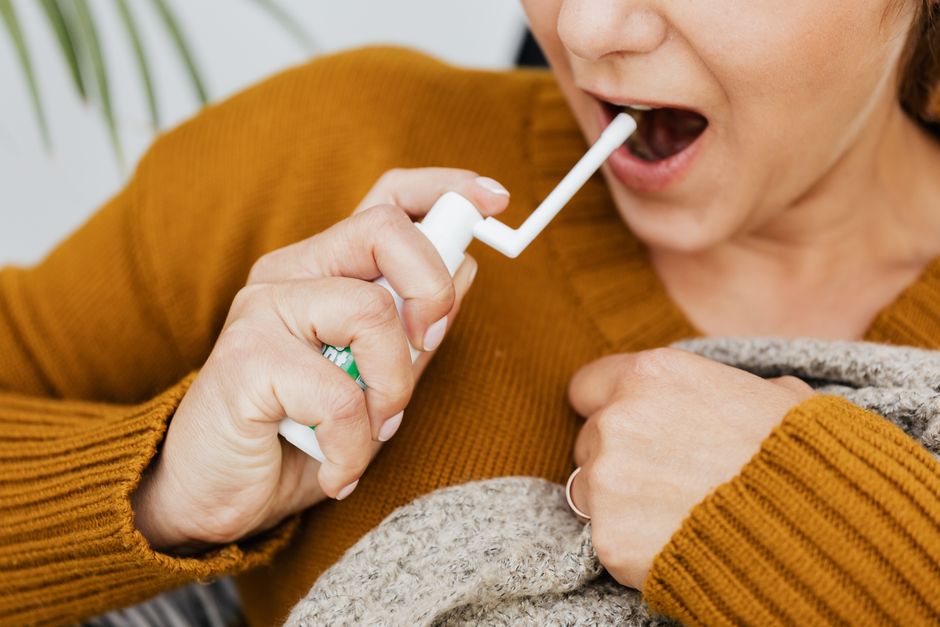
Smoking irritates the throat the moment smoke touches it, and the soreness that follows usually fades within a few days once you stop. If you keep smoking, the irritation resets with every cigarette, so the sore throat can linger for weeks or become a near-constant background ache. For most people who quit, throat pain improves noticeably within one to two weeks, though long-term smokers may take longer because years of smoke exposure can leave the tissue inflamed and slow to recover.
How Long Does a Sore Throat From Smoking Last?
A sore throat caused by a single episode of smoking — a night out, a few cigarettes — typically clears in 24 to 72 hours. The lining of your throat is built to recover quickly from short-term irritation.
The picture changes with regular smoking. When you smoke daily, you are re-injuring the same tissue before it can heal. That keeps the inflammation going. In that case, the sore throat does not really “last” a set number of days. It persists as long as the exposure continues, and it often eases within one to two weeks after quitting.
There is no single timeline that fits everyone. How long it lasts depends on how much you smoke, how long you have smoked, whether you have other irritants in your life, and your own healing response. Someone who smoked for a year may bounce back faster than someone who smoked for twenty.
Why Does Smoking Cause a Sore Throat?
Smoke is a physical and chemical irritant, and your throat is one of the first surfaces it hits. Cigarette smoke contains thousands of compounds, and many of them are directly toxic to the cells lining your airways.
Here is what happens. The tissue in your throat and upper airway is covered in a thin layer of mucus and tiny hair-like structures called cilia. Those cilia sweep mucus, dust, and germs out of your airway. Smoke does two things at once. It dries out and inflames the tissue, and it paralyzes and eventually destroys the cilia.
With the cilia out of action, mucus and irritants sit in place instead of being cleared. That triggers more inflammation, more mucus, and the raw, scratchy feeling you recognize as a sore throat. Heat from the smoke adds another layer of irritation, though the chemical damage matters more than the temperature.
This is why smokers often wake up with a sore throat and a cough. Overnight, while you are not swallowing as often and not drinking water, the irritation and dryness build up.
Does Quitting Make the Sore Throat Go Away?
Quitting is the single most reliable way to end a smoking-related sore throat. Once you stop, the irritation stops being renewed, and healing can begin.
Most people notice improvement within the first week or two. The throat feels less raw. The morning cough often starts to loosen as the cilia begin to recover and move mucus again. Full recovery of the airway lining can take longer — weeks to months — and depends on how much damage was done.
It is worth knowing that some people feel worse before they feel better. When the cilia start working again, you may cough more for a short time as your airway clears out built-up mucus. That is a sign of recovery, not a setback, though it can be uncomfortable.
If your sore throat does not improve after you quit, or gets worse, that is a reason to see a doctor. It may not be caused by smoking at all.





What Else Could Be Causing Your Sore Throat?
Smoking is a common cause, but it is not the only one. If your sore throat persists, several other possibilities deserve consideration.
- Viral infections such as the common cold or flu, which are the most frequent cause of sore throat overall
- Strep throat, a bacterial infection that often comes with fever and swollen glands
- Acid reflux, where stomach acid washes up into the throat, especially at night
- Allergies and postnasal drip, which irritate the throat continuously
- Dry air, particularly in winter or in heated rooms
- Vocal strain from shouting, singing, or talking for long periods
- Other irritants like secondhand smoke, vaping, or workplace fumes
One detail that gets missed: smoking and reflux often travel together. Smoking relaxes the valve at the top of the stomach, which makes acid reflux more likely. So a smoker’s sore throat can be partly a reflux problem, and quitting helps both.
Because so many conditions cause a sore throat, a symptom that lasts more than a couple of weeks — with or without smoking — should be checked by a clinician.
When Should You See a Doctor?
A sore throat from smoking should improve when you stop smoking. If it does not, or if it comes with certain warning signs, get medical attention.
See a doctor if you have:
- A sore throat lasting more than two weeks
- Difficulty swallowing or breathing
- A lump in your neck or throat
- Hoarseness that does not go away
- Blood in your saliva or phlegm
- Unexplained weight loss
- Ear pain on one side
These signs matter more for smokers because smoking raises the risk of several serious conditions, including cancers of the mouth, throat, and voice box. That does not mean a lingering sore throat is cancer — most of the time it is not. But persistent symptoms in a smoker deserve a proper look rather than watchful waiting.
No clinical guidelines suggest that smokers should ignore a sore throat that will not quit. The safe move is to have it evaluated.
Can You Soothe a Smoker’s Sore Throat?
You can ease the discomfort, but soothing a sore throat while continuing to smoke is like putting a bandage on a wound you keep reopening. Relief measures help, but they do not fix the cause.
Things that may help:
- Drinking water regularly to keep the throat moist
- Using a humidifier, especially at night
- Warm liquids like tea or broth
- Gargling with warm salt water
- Lozenges or hard candy to increase saliva
- Avoiding alcohol and caffeine, which can dry you out
These are comfort measures, not treatments for the underlying irritation. The evidence that any of them speeds healing is limited. What they mainly do is reduce dryness and temporary pain.
The one intervention with clear evidence behind it is stopping smoking. Everything else is secondary.
Does Vaping Cause the Same Problem?
Vaping irritates the throat too, though the long-term picture is less clear than for cigarettes. The vapor contains nicotine, flavorings, and other chemicals that can dry and inflame the airway.
Many people who switch from smoking to vaping report less throat irritation, but this varies. Some develop a sore throat from vaping, especially when they start or when they use high-nicotine or heavily flavored products.
Here is the honest position: vaping is not harmless for the throat, and the evidence on its long-term effects is still developing. It is not a proven safe alternative, and it is not a proven cure for a smoker’s sore throat. If your goal is to stop the irritation, the most reliable path is to stop inhaling smoke or vapor altogether.
How to Help Your Throat Heal Faster
The throat heals on its own once the irritation stops. Your job is to stop the irritation and give your body the conditions it needs.
- Stop smoking. This is the only step that addresses the cause. Even cutting back reduces the daily irritation.
- Avoid secondhand smoke. It irritates your throat the same way your own smoke does.
- Stay hydrated. A moist throat is more comfortable and heals better.
- Treat reflux if you have it. Talk to a clinician about heartburn or a sour taste in your mouth.
- Rest your voice. Avoid shouting or prolonged talking while your throat is raw.
- Get enough sleep. Healing happens largely while you rest.
Support for quitting is worth mentioning. Counseling and medications approved for smoking cessation roughly double the odds of quitting successfully compared with willpower alone. If you have tried and struggled, that is not a personal failing — it is how nicotine addiction works. Ask a doctor or pharmacist about options.
Frequently Asked Questions
How long does a sore throat from smoking usually last?
A sore throat from occasional smoking typically clears in 24 to 72 hours. If you smoke regularly, it can persist as long as you keep smoking and usually improves within one to two weeks after quitting.
Can smoking cause a sore throat every day?
Yes. Daily smoking keeps the throat inflamed, so the soreness can be constant or return each morning. It often fades once smoking stops.
Will my sore throat go away if I quit smoking?
For most people, yes, it improves within one to two weeks after quitting. Full healing of the airway lining can take longer, and a sore throat that does not improve should be checked by a doctor.
When should I worry about a sore throat as a smoker?
See a doctor if it lasts more than two weeks or comes with trouble swallowing, hoarseness, a neck lump, or blood in your saliva. Persistent symptoms in smokers deserve evaluation.
