
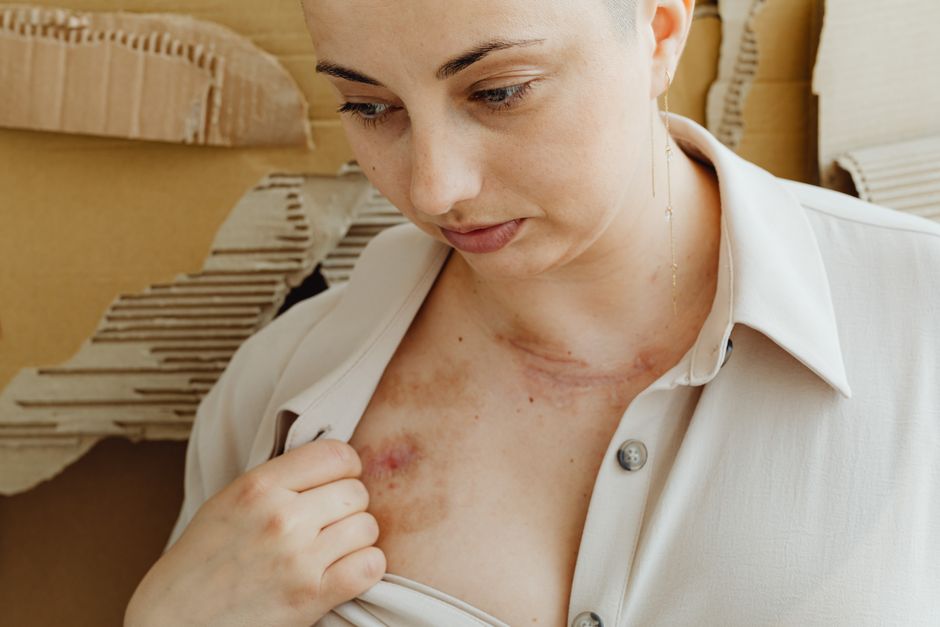
A skin graft usually starts to attach within 3 to 5 days. The surface of the graft typically closes over in 1 to 3 weeks, depending on the type of graft and the condition of the wound bed. Full healing, including the deeper layers and the scar’s final maturation, can take several months to a year or more.
The timeline depends on several things: the size and depth of the wound, where on the body it is, the type of graft used, and the person’s overall health. Understanding what happens week by week makes it easier to know what to expect and when to call a doctor.
What Is a Skin Graft and Why Is It Done?
A skin graft is a piece of skin moved from one part of the body to another to cover a wound that cannot close on its own. The skin is completely detached from its original blood supply and moved to the new site. It must grow new blood vessels to survive there.
Doctors use grafts for burns, large wounds, skin cancer removal sites, and ulcers that are not healing. The goal is to cover the wound, reduce infection risk, and help the area heal with less scarring than leaving it open.
There are two main types:
- Split-thickness grafts take the top layer of skin (epidermis) and part of the layer below it (dermis). These are thinner and more likely to take successfully.
- Full-thickness grafts take the entire epidermis and dermis. These are thicker and usually look and function more like normal skin, but they need a healthier wound bed to survive.
The donor site, where the skin was removed, heals on its own. It behaves like a superficial scrape or burn. Donor sites often heal faster than the graft site itself, usually within 1 to 3 weeks.
How Long Does a Skin Graft Take to Heal? A Week-by-Week Look
The first few days are the most critical. During this time, the graft is not yet getting blood from the surrounding tissue. It survives by absorbing nutrients from the wound bed, a process called plasmatic imbibition. If the graft moves or fluid builds up under it, it can fail.
By about day 3 to 5, new blood vessels begin connecting the graft to the wound bed. This is called revascularization. Once this happens, the graft is far more stable.
From roughly week 1 to week 3, the graft surface closes and the skin begins to strengthen. By the end of this period, most split-thickness grafts have taken hold. Full-thickness grafts may take a bit longer to fully integrate.
After the surface closes, the healing is not finished. The graft and the surrounding skin go through a remodeling phase that can last 6 months to a year or more. During this time, the graft may change color, become less raised, and soften. Scar tissue matures slowly.
What Affects How Fast a Skin Graft Heals?
Several factors change the timeline significantly. Some are within a person’s control and some are not.
- Blood supply to the wound bed. A wound with good blood flow heals faster. Grafts placed over bone, tendon, or poorly perfused tissue take longer or may not take at all.
- Infection. Infection is one of the most common reasons a graft fails. It delays healing and can destroy the graft.
- Shearing or movement. If the graft rubs or shifts in the first few days, new vessels cannot form. This is why doctors often immobilize the area.
- Fluid under the graft. Blood or serum collecting under the graft prevents it from attaching. Surgeons sometimes make small holes in the graft to let fluid drain.
- Nutrition and overall health. Poor nutrition, smoking, diabetes, and certain medications can slow healing. Smoking narrows blood vessels and reduces oxygen delivery to tissue.
- Age. Older adults generally heal more slowly than younger people, though this varies widely.
One detail that surprises many people: the donor site and the graft site do not heal at the same rate. The donor site is often more painful in the first week, while the graft site is the one that needs protection from movement. They are two separate wounds with two separate timelines.


What Does Normal Graft Healing Look Like?
In the first few days, the graft may look pale, dusky, or slightly blue. This is normal and does not always mean the graft is failing. As blood flow returns, the color usually improves.
Some fluid or crusting around the edges is common. The graft may look shiny or have a different texture than the surrounding skin. This can persist for months.
Signs that something may be wrong include:
- Increasing pain, redness, or swelling
- Foul-smelling drainage
- A dark, black, or dead-looking area that gets larger
- Fever or chills
- The graft lifting away from the wound bed
These signs warrant prompt medical attention. Not every change means failure, but it is better to have a doctor check.
How Long Until a Skin Graft Looks Normal?
The graft may never look exactly like the surrounding skin, and that is expected. Color mismatch is common. Grafts often look darker, lighter, pinker, or shinier than nearby skin.
Over 6 to 12 months, the color and texture usually improve. The graft may become softer and less raised. Some people have permanent color differences or a slightly different skin texture.
Scarring at the edges of the graft is normal. Scar treatment, such as silicone sheets or pressure garments, is sometimes recommended by clinicians to help improve the appearance and feel of the scar. The evidence for these approaches varies, and results differ from person to person.
When Can You Return to Normal Activities?
This depends on where the graft is and what you do. A small graft on the arm heals differently than a large graft on a leg or back.
In general, doctors advise avoiding strenuous activity and anything that stretches or rubs the graft for at least 1 to 2 weeks, and sometimes longer. Heavy lifting, contact sports, and swimming are usually restricted until the graft is fully closed and stable.
Follow the specific instructions from your care team. They know the size, location, and type of your graft. General timelines are a guide, not a rule.
Can a Skin Graft Fail?
Yes. Graft failure is not rare. It can happen for several reasons, including infection, fluid buildup, movement, or poor blood supply in the wound bed.
When a graft fails, the surgeon may need to remove it and place a new one. Sometimes the wound is allowed to heal on its own first. The timeline then starts over.
This is one reason why the first week after surgery matters so much. Most of the steps that protect a graft happen in that window.
What Should You Do to Support Healing?
Follow your surgeon’s instructions closely. Keep the area clean and covered as directed. Do not pick at crusts or scabs. Protect the graft from sun exposure, which can cause permanent darkening.
Eat a balanced diet with enough protein and vitamins. Stay hydrated. If you smoke, stopping before and after surgery can make a real difference in healing.
Ask your care team before using any cream, ointment, or home remedy on the graft. Some products can harm a healing graft or introduce infection.
Frequently Asked Questions
How long does it take for a skin graft to attach?
A skin graft usually begins to attach within 3 to 5 days as new blood vessels form. Full integration takes longer, often 1 to 3 weeks for the surface to close.
How long does a skin graft take to heal completely?
The surface typically closes in 1 to 3 weeks, but complete healing and scar maturation can take 6 months to a year or more. The final appearance may continue to change during that time.
What are the signs a skin graft is failing?
Signs include increasing pain, redness, swelling, foul-smelling drainage, or a dark area that gets larger. Contact your doctor promptly if you notice any of these.
Can you shower with a skin graft?
Not until your doctor says it is safe, which is usually after the graft has closed. Getting the graft wet too early can increase infection risk and delay healing.
