
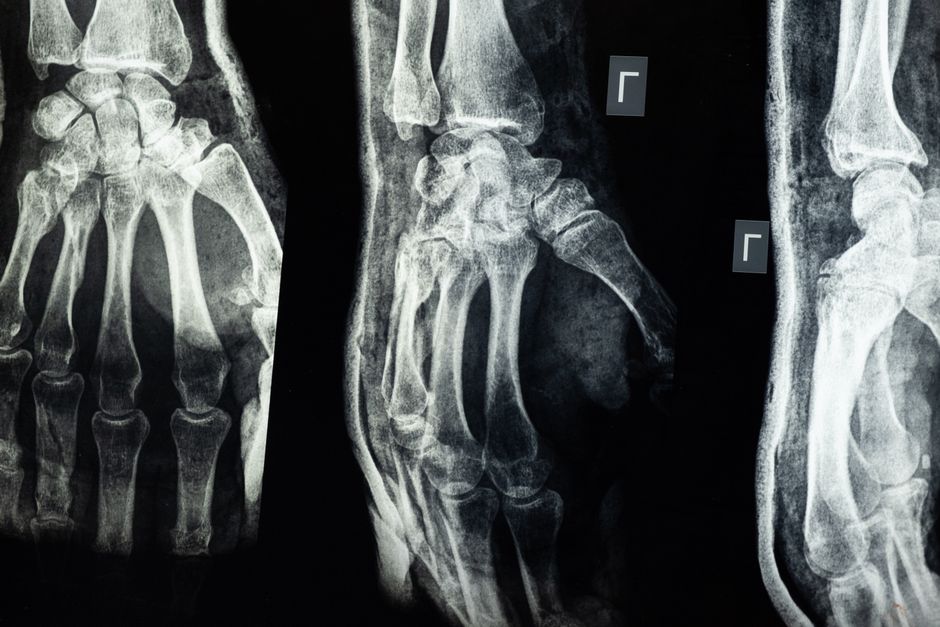
A hairline fracture usually heals in about 6 to 8 weeks in healthy adults, though some bones take longer. Small bones in the foot or wrist may knit in 4 to 6 weeks. Larger, weight-bearing bones like the tibia or femur often need 8 to 12 weeks or more. The exact timeline depends on which bone is involved, your age, and whether the bone is kept still while it heals.
That range is a general guide, not a promise. Healing is a biological process, and it moves at different speeds in different people. Understanding what happens inside the bone — and what can slow it down — helps you set realistic expectations.
What Is a Hairline Fracture, Exactly?
A hairline fracture is a crack in the bone that does not go all the way through. The bone stays in one piece. Doctors often call this a stress fracture or an incomplete fracture. It is not the same as a complete break, where the bone separates into two or more parts.
The term “hairline” describes how thin the crack looks, not how serious it is. A hairline fracture can still cause real pain and needs proper care. The crack is often so fine that it may not show on an X-ray taken right away. Some stress fractures only become visible on imaging days or weeks after the injury, once the body has started its repair response.
These fractures most often happen in bones that take repeated load. Common sites include the small bones of the foot, the shin, the heel, and the hip. They also occur after a single awkward twist or fall, especially in the wrist or ankle.
How Long Does a Hairline Fracture Take to Heal in Different Bones?
Healing time tracks the size of the bone and how much stress it carries. Small bones with good blood supply heal fastest. Large weight-bearing bones heal slowest.
The ranges below reflect typical healing times for healthy adults. They are general guides. Your own timeline may be shorter or longer depending on the factors covered later.
| Bone or area | Typical healing time |
|---|---|
| Foot (metatarsals) | About 6 to 8 weeks |
| Heel (calcaneus) | About 6 to 8 weeks |
| Shin (tibia) | About 8 to 12 weeks |
| Hip (femoral neck) | Often 8 to 12 weeks or longer |
| Wrist (scaphoid) | Often 8 to 12 weeks or longer |
Two of these deserve a closer look. The scaphoid, a small bone in the wrist, has a poor blood supply to part of it. That can make healing slow and raises the risk of complications if it is missed. The hip is another area where hairline fractures need careful attention, particularly in older adults, because a crack there can progress to a full break.
What Happens Inside the Bone While It Heals?
Healing happens in three overlapping stages. Knowing them helps explain why rest matters early and why gentle use comes later.
- Inflammation (first few days). Blood collects around the crack and brings in repair cells. This stage causes the swelling and tenderness you feel.
- Repair (roughly the next several weeks). The body builds a soft callus, then hardens it into new bone across the crack. This is the main healing window.
- Remodeling (months). The new bone slowly reshapes itself to match the original bone’s strength and structure.
Here is a point that surprises many people. The bone is not fully back to normal when the pain stops. Remodeling can continue for months after you feel fine. That is one reason a gradual return to activity matters more than a sudden one.
What Slows Healing Down?
Several factors can push the timeline past the typical range. Some you can control and some you cannot.
- Smoking. Smoking narrows blood vessels and reduces blood flow to bone. It is one of the most consistent factors linked to slower bone healing.
- Poor nutrition. Bone repair needs adequate calories, protein, calcium, and vitamin D. A very low-calorie diet can work against healing.
- Certain medications. Long-term use of corticosteroids and some other drugs can weaken bone and slow repair. If you take one of these, tell your doctor.
- Age. Healing tends to be slower in older adults, though healthy older people can still heal well.
- Continued stress on the bone. Walking or training on a stress fracture before it heals is a common reason it drags on or gets worse.
- Medical conditions. Diabetes, thyroid problems, and some other conditions can affect healing.
If you smoke, stopping is one of the most useful things you can do for your recovery. It is not a guarantee of faster healing, but the link between smoking and poorer bone repair is well established.
How Is a Hairline Fracture Treated?
Most hairline fractures heal without surgery. The core principle is to reduce stress on the bone while it repairs.
For many stress fractures in the foot or lower leg, a clinician may recommend a walking boot or stiff-soled shoe to limit bending. Some people need crutches for a period to keep weight off the bone. For fractures in the wrist or arm, a splint or cast may be used. The specific approach depends on the bone and how much it moves under load.
Pain is a useful guide, but not a perfect one. Many clinicians advise returning to activity gradually and stopping if pain returns. Some recommend a phased return rather than jumping straight back to full training. There is no single agreed schedule that fits everyone, so follow the plan your own clinician gives you.
No medication has been shown to reliably speed up fracture healing in otherwise healthy people. Pain relievers can ease discomfort, but they do not change how fast the bone knits. Ask your doctor or pharmacist before using any pain medicine, especially if you take other medications or have health conditions.
When Should You See a Doctor?
See a doctor if you have pain that worsens with activity, tenderness over a specific spot on a bone, or swelling that does not settle. These are common signs of a possible hairline fracture. Getting it checked early matters, because continuing to load a cracked bone can turn a small problem into a bigger one.
Seek urgent care if you cannot bear weight on the limb, if the pain is severe, or if the area is badly swollen or deformed. In older adults, new hip or groin pain after a fall or even a minor stumble deserves prompt attention.
One caution worth stating plainly. A hairline fracture that is not identified and keeps being stressed can progress to a complete fracture. This is not common, but it is a real reason not to push through pain that has a clear, pinpoint location on a bone.
How Do You Know It Has Fully Healed?
Full healing is more than being pain-free. It means the bone has rebuilt enough strength to handle normal loads.
Clinicians judge healing using a mix of things: your symptoms, an exam, and sometimes repeat imaging. Being pain-free with everyday activity is a good sign. Being ready for hard training or heavy loads usually takes longer and is best guided by a professional.
For athletes and people with physically demanding jobs, a graded return is the safer path. Build up load over time rather than resuming full activity in one step. The bone continues remodeling for months, and a gradual return gives it time to keep pace.
Frequently Asked Questions
How long does a hairline fracture take to heal?
Most hairline fractures heal in about 6 to 8 weeks in healthy adults, with some bones taking 8 to 12 weeks or longer. Small bones with good blood supply tend to heal fastest.
Can a hairline fracture heal on its own?
Many hairline fractures can heal without surgery if the bone is protected from repeated stress while it repairs. Whether yours can heal on its own depends on the bone and should be confirmed by a clinician.
Should you walk on a hairline fracture?
It depends on which bone is affected and what your clinician advises. Walking on a stress fracture in a weight-bearing bone before it heals can slow recovery or make it worse.
Is a hairline fracture serious?
It is usually less severe than a complete break, but it still needs care. Some sites, like the hip and the scaphoid in the wrist, carry a higher risk of complications if they are missed or ignored.
