
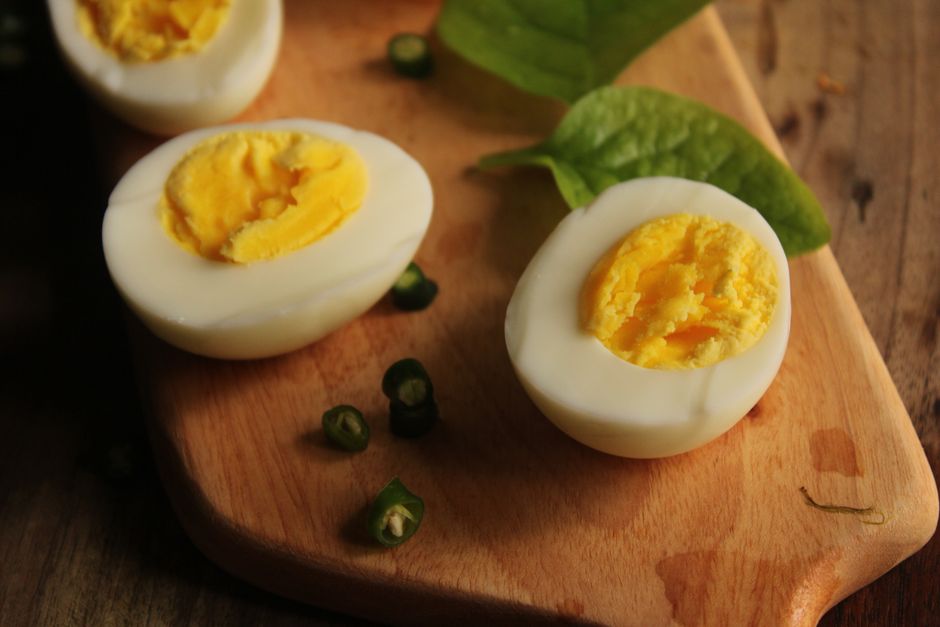
A boiled egg keeps in the fridge for about one week — whether peeled or still in the shell. That one-week window applies to eggs you boil at home and cool promptly. Store-bought hard-cooked eggs follow the same rule, and the carton usually says so. After that week, the quality drops and the risk of foodborne illness climbs.
The bigger variables are how the egg was handled before and after cooking. A boiled egg left on the counter for hours is a different food safety situation than one cooled and refrigerated right away. This guide covers storage times, the signs an egg has gone bad, and why peeled eggs behave differently from unpeeled ones.
How Long Does A Boiled Egg Keep In Fridge?
One week is the standard answer, and it comes from food safety guidance rather than a hard biological cutoff. The US Department of Agriculture advises using hard-cooked eggs within one week of cooking. That applies to eggs stored in their shells and to peeled eggs kept in a covered container.
The clock starts when the egg finishes cooking and cools, not when you buy the eggs. A boiled egg does not keep indefinitely just because the shell is intact. The shell is porous, and the protective coating that helps a fresh egg resist bacteria is largely lost during cooking.
Refrigeration temperature matters here. Your fridge should hold at 40°F (4°C) or below. An egg stored in a warmer part of the fridge, like the door, will not last as long as one on a middle shelf. If you are unsure how cold your fridge runs, a cheap fridge thermometer removes the guesswork.
Here is the storage picture at a glance:
- Unpeeled boiled egg in shell: up to one week in the fridge
- Peeled boiled egg: up to one week, kept in a covered container
- Boiled egg left at room temperature: discard after two hours
- Deviled eggs or egg salad: follow the same one-week rule for the eggs, but eat within a few days once mixed with other ingredients
One clarification that catches people out: the “sell by” or “best by” date on your egg carton tells you nothing useful once the egg is cooked. That date applies to raw eggs in the shell. Cooking resets the clock, and the one-week rule takes over.
Does A Peeled Boiled Egg Last As Long As An Unpeeled One?
In practice, yes — both keep about a week. The difference is not the maximum storage time but how quickly quality declines and how exposed the egg is to contamination.
An unpeeled egg still has its shell, which offers a physical barrier. It is not a perfect seal, but it slows down moisture loss and keeps bacteria on the outside of the egg from reaching the edible part. That is why an unpeeled egg tends to hold its texture and flavor a little better toward the end of the week.
A peeled egg has lost that barrier entirely. The surface is now exposed and moist, which is a friendly environment for bacteria. Store peeled eggs in a covered container, ideally with a slightly damp paper towel, and keep them cold. Eat them within the week, and sooner if you can.
Neither version is a candidate for the freezer. Freezing changes the texture of the white to something rubbery, and there is no practical reason to freeze a boiled egg you could simply eat.
How Do You Store Boiled Eggs Safely?
Cool the eggs quickly and get them into the fridge within two hours. The two-hour rule is a standard food safety guideline, and it matters most for eggs because they are a moist, protein-rich food.
Do not leave a pot of hot boiled eggs sitting on the counter to cool slowly. That keeps them in the temperature range where bacteria multiply fastest for too long. Instead, drain the hot water and run the eggs under cold water or plunge them into an ice bath. This cools them fast and, as a bonus, makes peeling easier.
Once cool, store them in a container or a bowl in the fridge. You do not need to keep them in water. In fact, storing peeled eggs in plain water is not recommended, because the water can become a breeding ground for bacteria over several days. A covered container is enough.
A few practical points:
- Keep boiled eggs away from raw meat and its juices in the fridge
- Label the container with the date you cooked them so you are not guessing later
- Do not leave boiled eggs in the fridge door, where temperature swings are largest
- If you peel them in advance, keep them covered and eat them first
How Can You Tell If A Boiled Egg Has Gone Bad?
Your nose and eyes are reliable here. A spoiled boiled egg usually announces itself clearly. The most obvious sign is a sulfur or rotten smell, which is unmistakable. If the egg smells wrong, throw it out — do not taste it to check.
Other signs to look for include a slimy or sticky texture on the surface, discoloration of the white or yolk, or visible mold. A fresh boiled egg should have a firm white and a yolk that holds its shape. Toward the end of the week, the white may become slightly rubbery and the yolk a little drier — that is a quality change, not necessarily spoilage. Texture decline alone does not mean the egg is unsafe, but it does mean it is past its best.
When in doubt, discard it. The cost of one egg is not worth a bout of food poisoning. This is especially true for anyone who is pregnant, older, very young, or has a weakened immune system, since these groups are more vulnerable to foodborne illness.
Why Do Boiled Eggs Spoil Faster Than Raw Ones?
This surprises people. A raw egg in its shell can last several weeks in the fridge, but a boiled egg is done in about one. The cooking process is the reason.
A fresh raw egg has a thin, natural coating called the bloom or cuticle on the outside of the shell. It helps block bacteria and slow moisture loss. Washing and cooking remove or damage this layer. The shell also develops tiny cracks during boiling, and each crack is a doorway for bacteria.
On top of that, boiling changes the chemistry inside the egg. The protective membranes that separate the white from the shell weaken. The egg becomes, in effect, a moist protein food sitting in a porous container — a much better environment for microbial growth than a sealed raw egg.
This is why the one-week rule for boiled eggs is shorter than the multi-week window for raw eggs. It is not that the egg is dangerous the moment you cook it. It is that its natural defenses are reduced.
Can You Eat A Boiled Egg After A Week?
It is best not to. The one-week guidance is a safety margin, and eating an egg past it raises your risk of foodborne illness. Some people eat boiled eggs a day or two past the week without issue, but that is a gamble, not a recommendation.
The risk is not evenly spread. An egg that has been kept properly cold, handled cleanly, and stored unpeeled is lower risk than one that sat out, got handled with dirty hands, or was peeled days ago. But you cannot see or smell all bacteria, so the calendar is your most reliable guide.
If you have a large batch of boiled eggs nearing the end of their week, the sensible move is to use them — in a salad, sliced on toast, or mashed into a sandwich filling — rather than let them sit longer. Eggs are a genuinely convenient protein, and a little planning keeps them from becoming waste.
Frequently Asked Questions
How long do boiled eggs last in the fridge?
About one week, whether peeled or unpeeled. Keep them refrigerated at 40°F (4°C) or below and discard any that smell off or look slimy.
Can you eat a boiled egg that has been in the fridge for 10 days?
It is not recommended. Food safety guidance sets one week as the limit for hard-cooked eggs, and eating past that raises your risk of foodborne illness.
Should you store boiled eggs in water?
No. Store them dry in a covered container. Water can encourage bacterial growth over several days, especially for peeled eggs.
How long can boiled eggs sit out at room temperature?
No more than two hours. After that, bacteria can multiply to unsafe levels, and the eggs should be thrown away.
