
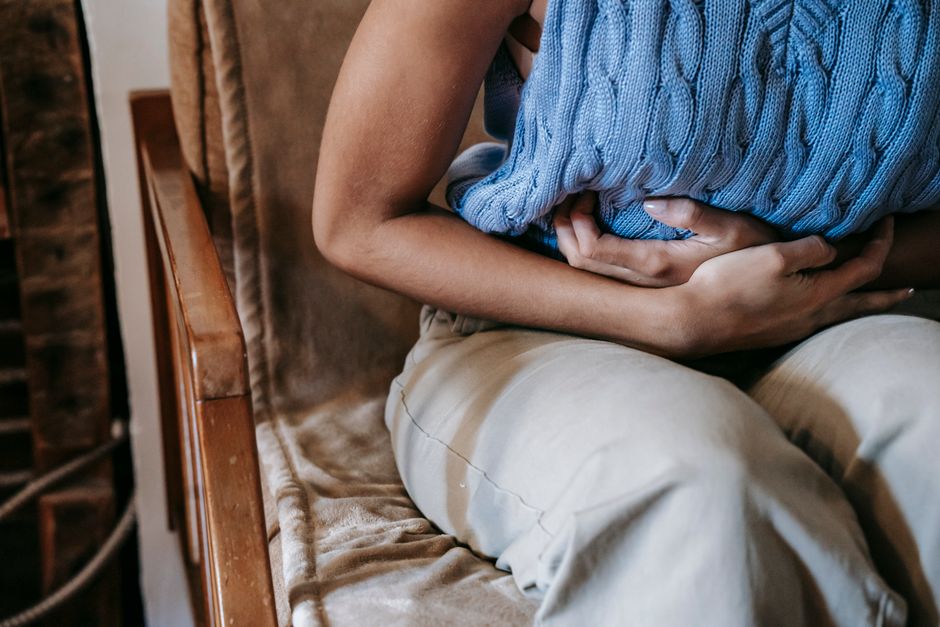
Most stomach bugs run their course in about one to three days. The worst part — vomiting and watery diarrhea — usually peaks within the first 24 to 48 hours and then eases. Some viruses, like norovirus, tend to clear faster, while others, like rotavirus in young children, can linger for up to a week. The timeline below explains what typically happens, day by day, and when a symptom stops being routine and starts being a reason to call a doctor.
What Counts as a Stomach Bug?
“Stomach bug” is a casual term, not a medical one. It usually means viral gastroenteritis — an infection of the intestines caused by a virus, not the stomach flu in any true sense. The influenza virus does not cause it.
Several viruses cause this illness. Norovirus is the most common in adults. Rotavirus is a leading cause in infants and young children, though vaccination has made it far less common in the US than it once was. Adenovirus and astrovirus cause similar patterns. The symptoms overlap so much that most people never learn which virus they had, and for practical purposes, it often doesn’t change what you do.
Bacterial infections and food poisoning can look identical at the start. That matters for the timeline, because some bacterial causes last longer and behave differently. We’ll come back to that.
How Long Do Stomach Bug Symptoms Last: A Timeline
For a typical viral stomach bug, symptoms last roughly 24 to 72 hours. The pattern below reflects the most common course. Yours may be shorter or longer.
- Hours 0–12: Symptoms come on fast. Nausea, cramping belly pain, and often vomiting appear first. Some people get watery diarrhea at the same time.
- Day 1–2: This is usually the peak. Vomiting may happen several times. Diarrhea becomes frequent and watery. Low-grade fever, headache, muscle aches, and fatigue are common.
- Day 2–3: Vomiting typically stops first. Diarrhea often continues a bit longer. Appetite slowly returns.
- Day 3–7: Most people are back to normal. Some feel tired or have loose stools for a few extra days.
Norovirus specifically tends to resolve in about one to three days in otherwise healthy adults. Rotavirus in young children often lasts three to eight days, which is one reason it can be more serious in that age group.
One detail people often miss: you can still spread norovirus for days after you feel better. The virus sheds in stool for up to two weeks or more after recovery. Handwashing matters well past the point where you feel fine.
Why Do Symptoms Last Longer for Some People?
Age and immune status are the biggest factors. Young children and adults over 65 often take longer to recover and are more likely to become dehydrated. People with weakened immune systems may have prolonged illness.
The cause matters too. Bacterial infections such as those from Salmonella, Campylobacter, or E. coli can last several days to a week or more. Some of these cause bloody diarrhea or high fever, which viral bugs generally do not. Parasites like Giardia can cause diarrhea lasting weeks if untreated.
There is also a less obvious factor: what you eat and drink during recovery. Heavy, fatty, or very sugary foods can make diarrhea worse while the gut lining is still healing. Plain, bland food and steady fluids tend to help the gut settle faster.
When Should You See a Doctor?
Most stomach bugs do not need medical care. But some signs mean you should call a doctor or seek care promptly. The main concern with any stomach bug is dehydration, especially in children and older adults.
Watch for these warning signs:
- Signs of dehydration — very dry mouth, little or no urine, sunken eyes, unusual sleepiness or confusion, or no tears when a child cries
- Blood in the stool or vomit
- High fever, particularly above 102°F (39°C) in adults
- Severe belly pain that is constant rather than cramping
- Vomiting that won’t stop, or inability to keep any fluids down for more than a day
- Symptoms lasting longer than about a week
- Illness in an infant, a person over 65, or someone with a weakened immune system
In young children, dehydration can develop quickly. If a child is unusually drowsy, has not had a wet diaper in several hours, or cannot keep fluids down, that is a reason to get medical advice rather than wait it out.
What Actually Helps During Recovery?
There is no antiviral treatment for common viral stomach bugs. The single most important thing is replacing fluids and electrolytes. Water alone is not ideal if you are losing a lot through vomiting and diarrhea, because you also lose salts. Oral rehydration solutions are designed for exactly this and are widely available.
Some clinicians recommend small, frequent sips rather than large gulps, since big volumes can trigger more vomiting. This is common practice and reasonable, though it has not been the subject of large trials. Drink what you can tolerate, often.
Food can wait until you feel hungry. When you do eat, start bland — crackers, rice, bananas, toast. There is no strong evidence that any specific food speeds recovery, but gentle choices are less likely to irritate a healing gut.
Medications deserve caution. Anti-diarrheal drugs like loperamide can be risky with certain bacterial infections or with bloody diarrhea, because slowing the gut can trap the infection. Some clinicians advise against them when fever or blood is present. Check with a pharmacist or doctor before using them, especially in children. Antibiotics do nothing for viral bugs and are not appropriate unless a bacterial cause is confirmed.
One clarification worth making: the old advice to “starve a fever, feed a cold” has no basis here. Rest and fluids matter more than any food rule.
How Long Is a Stomach Bug Contagious?
You are most contagious while you have symptoms and in the first days after they stop. Norovirus is especially easy to spread and can remain contagious for days to two weeks after recovery.
Handwashing with soap and water is more effective than alcohol-based sanitizer against norovirus. That is a real distinction — alcohol gels do not reliably kill it. Wash hands thoroughly after using the bathroom and before preparing food. Clean and disinfect surfaces, and wash soiled laundry separately. If you handle food for others, stay out of the kitchen until symptoms have been gone for at least 48 hours, which is standard food-safety guidance.
Stomach Bug vs. Food Poisoning: Does the Timeline Differ?
They can look the same, and the timeline often overlaps. Food poisoning from a toxin — the kind that hits within hours of eating — usually comes on fast and resolves fast, often within 24 hours. Infections from contaminated food, including Salmonella or E. coli, can take a day or more to start and may last longer than a typical viral bug.
A useful rule of thumb: if several people who ate the same food got sick within a few hours, a toxin is more likely. If illness spreads person to person over days, a virus is more likely. Neither rule is perfect, and many cases are never identified.
Frequently Asked Questions
How long does a stomach bug usually last?
Most viral stomach bugs last about one to three days in healthy adults. Some people feel tired or have loose stools for a few extra days after the main symptoms stop.
What is the worst day of a stomach bug?
The first 24 to 48 hours are usually the worst, when vomiting and diarrhea peak. Vomiting typically eases before diarrhea does.
When can I go back to work or school after a stomach bug?
Wait until you have been free of vomiting and fever for at least 24 hours and can keep fluids down. Food handlers and healthcare workers are usually advised to stay out longer.
Can a stomach bug last a week?
Yes, some cases last a week or more, especially in young children, older adults, or when a bacterial cause is involved. Symptoms beyond about a week are a reason to see a doctor.
