
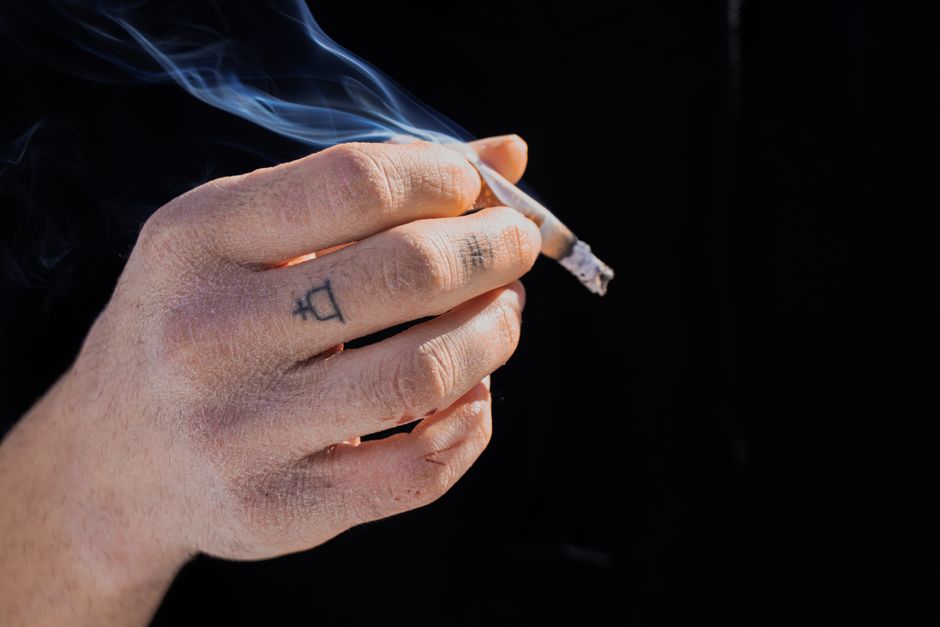
Most nicotine cravings pass within 5 to 10 minutes. That short window is why quitting feels like a series of small battles rather than one long fight. The urge rises, peaks, and fades whether or not you smoke. What changes over time is how often those urges show up.
How long cravings last overall depends on what you mean. A single urge is a matter of minutes. The heavy, frequent cravings of early withdrawal tend to ease over the first few weeks. The occasional trigger-driven urge can linger much longer, sometimes for months, but usually with less intensity.
How Long Do Nicotine Cravings Last at Each Stage?
A single craving typically lasts 5 to 10 minutes. This is one of the most consistent findings in smoking cessation research, and it holds whether the person is using nicotine replacement or quitting without it.
The pattern across the quitting timeline looks roughly like this:
- First 1 to 3 days: The most intense cravings. Nicotine leaves the body within about 72 hours of the last dose. Urges come often and feel physical.
- First 2 to 4 weeks: Cravings become less frequent and less severe. This is when most withdrawal symptoms settle.
- 1 to 3 months: Cravings are more situational. They tend to appear around habits, people, or places rather than from physical need.
- Beyond 3 months: Occasional urges can still surface, often triggered by stress, alcohol, or strong associations. They are usually brief and easier to ride out.
The timeline is a general pattern, not a schedule. Some people have a harder first week and an easier second month. Others find the physical withdrawal mild but the habit-based urges stubborn.
Why Do Nicotine Cravings Only Last a Few Minutes?
A craving is a wave, not a steady state. Nicotine binds to receptors in the brain and triggers a release of dopamine. When nicotine drops, those receptors signal for more. The urge builds, peaks, and then the nervous system settles on its own.
The peak is short because the brain’s reward signal is designed to respond to a cue, not to sustain a demand indefinitely. If you do nothing, the wave passes. This is why distraction works so well. The craving does not need to be satisfied to fade. It needs to be ridden out.
Understanding this changes how people cope. A craving is not a sign something is wrong. It is a temporary signal that will pass on its own within minutes.
Does Nicotine Withdrawal Cause Cravings or Something Else?
Withdrawal and cravings are related but not identical. Withdrawal is the physical and mood response when nicotine drops. Cravings are the urge to use. They overlap, but they behave differently.
Physical withdrawal symptoms include irritability, restlessness, trouble concentrating, increased appetite, and sleep changes. These tend to peak in the first few days and ease over two to four weeks. Cravings can outlast the physical symptoms because they are tied to memory and habit as much as to nicotine levels.
This is a useful distinction. Someone two months into quitting may have no physical withdrawal left but still get a sharp urge when they smell cigarette smoke. That urge is a learned response, not a sign of relapse or failure.
What Makes Some Cravings Last Longer Than Others?
Cravings tied to a specific trigger can feel stronger and last longer than random ones. Common triggers include:
- Drinking alcohol
- Coffee breaks
- Stress or conflict
- Being around other smokers
- Finishing a meal
- Driving or other routine activities
These situations have been paired with smoking many times, so the brain links them tightly. The urge that shows up is a conditioned response. It can be intense even long after physical withdrawal has ended.
This is why the first time you face a trigger without smoking matters. Each time you get through it without using nicotine, the link weakens. Avoidance helps early on, but facing triggers eventually is what breaks the association.
How Can You Get Through a Craving Without Smoking?
The goal is to outlast the wave. Because a craving usually passes within 5 to 10 minutes, the job is to fill that window without using nicotine.
Approaches that many people find useful:
- Delay. Tell yourself you will wait 10 minutes before deciding. Most urges are gone before the time is up.
- Change your setting. Stand up, walk outside, or move to a different room.
- Drink water. Slow sips give your hands and mouth something to do.
- Breathe slowly. Slow, steady breathing helps take the edge off the physical tension.
- Distract your mind. A short task, a call, or a puzzle pulls attention away from the urge.
Nicotine replacement products can reduce the intensity of cravings and withdrawal in the early weeks. How well they work varies by person and product. A clinician or pharmacist can help choose an option and dose that fits your situation.
Do Cravings Ever Fully Go Away?
Most people find cravings become rare and mild over time. Many report that after several months they go days or weeks without thinking about smoking. That said, occasional urges can still appear long after quitting, often tied to a strong trigger.
The evidence here is honest but not absolute. Some former smokers say they never have another craving. Others say a brief urge can surface years later in a specific situation, like a stressful event or an old habit setting. The urge is usually short and passes.
An occasional craving does not mean you have lost progress. It means your brain still has a memory of the habit. The memory fades with time, but it is not always erased completely.
When Should You Get Help With Cravings?
Get help if cravings feel unmanageable, if you keep relapsing, or if withdrawal is affecting your daily life. Quitting is hard, and support improves the odds.
Options include counseling, quitlines, and medications approved for smoking cessation. A clinician can talk through what fits your health history. If you have a condition like depression or anxiety, tell your provider, since quitting can affect mood and sleep.
This is not a sign of weakness. Cravings are a normal part of a real physical and behavioral process. Using support is a practical step, not a fallback.
Frequently Asked Questions
How long do nicotine cravings last?
A single craving usually lasts 5 to 10 minutes. The frequent cravings of early withdrawal tend to ease over the first few weeks.
How long does nicotine withdrawal last?
Physical withdrawal symptoms usually peak in the first few days and ease over about two to four weeks. Cravings tied to habit and triggers can linger longer than the physical symptoms.
Do nicotine cravings go away completely?
Most people find cravings become rare and mild over time. Occasional brief urges can still appear long after quitting, often tied to a strong trigger.
What helps a nicotine craving pass faster?
Delaying for 10 minutes, changing your setting, drinking water, and slow breathing can help you ride out the urge. Nicotine replacement can reduce craving intensity in the early weeks.
