
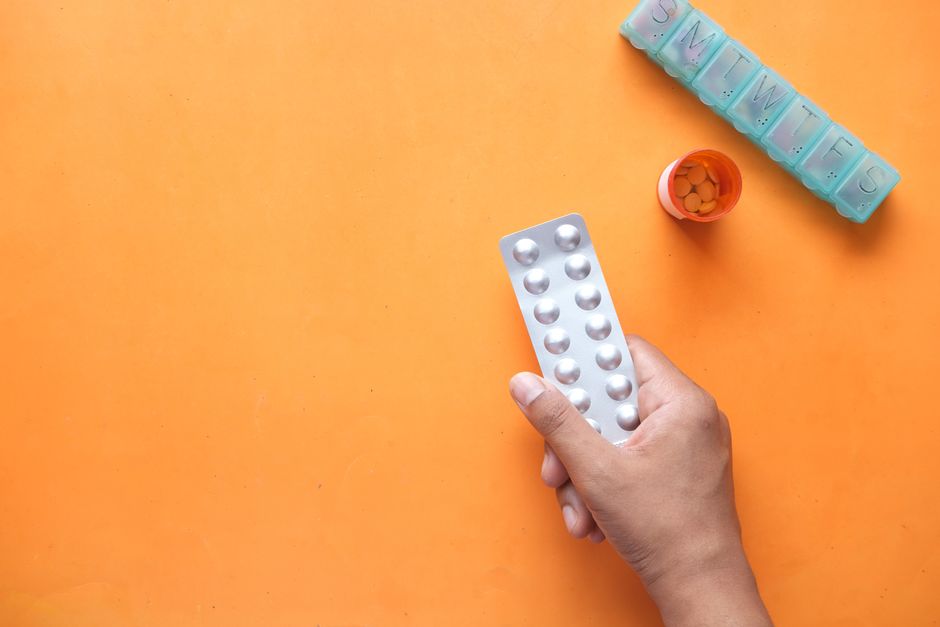
Macrobid (nitrofurantoin) is a prescription antibiotic used to treat urinary tract infections (UTIs). Most people feel improvement in their symptoms within 24 to 48 hours of taking the first dose. You should always finish the entire prescribed course, even if you feel better before the bottle is empty.
How Long Do Macrobid Take To Work?
Macrobid usually starts working within 24 hours. Many people notice their burning with urination and frequent urges to go begin to ease on the first full day of treatment. Significant symptom relief typically occurs within the first two days.
This timeline depends on the severity of the infection and your body’s response to the antibiotic. The drug works by stopping bacteria from forming a protective cell wall, which kills the bacteria causing the infection. As the bacterial count drops, your symptoms fade.
If you have taken two full days of Macrobid and feel no improvement at all, contact your doctor. This can mean the bacteria causing your infection is resistant to this specific antibiotic, and a different medication may be needed.
How Macrobid Works in the Body
Macrobid is a unique antibiotic because it concentrates in the urine rather than in the bloodstream. The active form of the drug is excreted by the kidneys and reaches high levels directly in the urinary tract. This makes it highly effective for bladder and kidney infections while limiting exposure to the rest of the body.
Nitrofurantoin is bactericidal, meaning it kills bacteria directly rather than just stopping their growth. It damages bacterial DNA, proteins, and cell walls through multiple pathways. This multi-target action makes it harder for bacteria to develop resistance quickly compared to single-target antibiotics.
The drug is only effective against bacteria in the urine. It will not treat infections elsewhere in the body, such as pneumonia or skin infections. This is why it is prescribed almost exclusively for UTIs.
Typical Treatment Timeline and Dosage
A standard course of Macrobid is usually five to seven days. For uncomplicated bladder infections in otherwise healthy women, some guidelines support a five-day course. Men and people with complicated infections may need seven days or longer.
The standard adult dose is 100 mg taken twice daily, approximately every 12 hours. You should take it with food or milk. Taking it with food helps your body absorb the medication better and reduces the chance of stomach upset.
Do not double a dose if you miss one. Take the missed dose as soon as you remember unless it is almost time for your next scheduled dose. In that case, skip the missed dose and continue on your regular schedule.
Your doctor may prescribe a shorter course for an uncomplicated infection or a longer course for a more serious one. Follow the exact schedule your doctor gave you, not a general recommendation found online.




When Symptoms Should Improve
Symptom improvement usually follows a predictable pattern. Pain and burning with urination often improve first. The frequent urge to urinate and lower abdominal pressure typically follow within the next day.
By day three of treatment, most people notice substantial improvement. Urine that was cloudy or had a strong odor often begins to clear. Fever, if present, usually resolves within 48 hours of starting the antibiotic.
Complete resolution of all symptoms can take the full course of antibiotics. Some people feel completely normal by day three. Others have mild residual urgency or discomfort until they finish the prescription. Both scenarios are normal.
Blood in the urine, if present, may take several days to clear even after the infection is gone. This is not necessarily a sign the antibiotic is not working. However, if you see persistent blood or worsening pain, contact your doctor.
Why You Must Finish the Full Course
Stopping Macrobid early because you feel better is a common mistake. Symptoms can disappear while some bacteria still remain in your urinary tract. Stopping early allows those surviving bacteria to multiply, and the infection can return within days.
Finishing the full course also reduces the risk of antibiotic resistance. Bacteria that survive a partially completed course can develop mutations that make them resistant to nitrofurantoin. This makes future UTIs harder to treat.
If side effects become bothersome, talk to your doctor before stopping. They may be able to switch you to a different antibiotic. Never stop the medication on your own without discussing it with a healthcare provider first.
Common Side Effects to Expect
Macrobid is generally well tolerated, but side effects do occur. Nausea and headache are the most commonly reported. Taking the medication with food significantly reduces nausea for most people.
Other possible side effects include:
- Diarrhea
- Loss of appetite
- Dizziness
- Gas or stomach cramps
- Brown or dark yellow urine
Brown urine is harmless and simply a byproduct of the medication being excreted. It does not indicate a problem and resolves when you stop taking the drug.
Serious side effects are rare but require immediate medical attention. These include difficulty breathing, swelling of the face or throat, severe skin rash, numbness or tingling in the hands or feet, and severe fatigue or muscle weakness. These can indicate a serious allergic reaction or a rare lung or nerve condition associated with nitrofurantoin.
When to Call Your Doctor
Contact your doctor if you have taken Macrobid for two full days with no improvement in symptoms. This is the most important checkpoint. Lack of improvement suggests the bacteria may be resistant to nitrofurantoin.
Seek medical attention promptly if you develop a fever higher than 101°F, chills, or flank pain. These can indicate the infection has spread to your kidneys. Kidney infections are more serious than bladder infections and may require a different antibiotic.
If your symptoms improve and then suddenly worsen after several days of treatment, call your doctor. This can signal a secondary infection or a complication that needs evaluation.
Interactions and Precautions
Macrobid is not safe for everyone. People with significant kidney disease should not take this medication because the drug will not reach effective concentrations in the urine. Your doctor will check your kidney function before prescribing it.
Pregnant women in their third trimester should not take Macrobid. It is generally considered safe in the first and second trimesters, but always discuss any medication with your obstetrician during pregnancy.
People with glucose-6-phosphate dehydrogenase (G6PD) deficiency may develop anemia while taking nitrofurantoin. If you know you have this condition, tell your doctor before starting the medication.
Macrobid can make urine tests for glucose and certain other lab values inaccurate. If you are having lab work done, tell the lab you are taking this medication.
What to Do If Macrobid Does Not Work
If your symptoms do not improve after 48 hours, your doctor may order a urine culture. This test identifies the exact bacteria causing your infection and tests which antibiotics will kill it. The results take about two to three days.
In the meantime, your doctor may switch you to a broader-spectrum antibiotic. Common alternatives for UTIs include trimethoprim-sulfamethoxazole, ciprofloxacin, or amoxicillin-clavulanate. The choice depends on your allergy history and local resistance patterns.
Some people mistake persistent UTI symptoms for antibiotic failure when they actually have a different condition. Interstitial cystitis, overactive bladder, or urethral irritation can mimic a UTI. If your urine culture comes back negative but symptoms continue, your doctor may investigate these alternatives.
Frequently Asked Questions
Can I take Macrobid on an empty stomach?
No, you should take Macrobid with food or milk. Taking it with food improves absorption and reduces nausea.
How many days should I take Macrobid for a UTI?
Most prescriptions are for five to seven days, taken twice daily. Your doctor will determine the exact duration based on your infection and medical history.
Can I drink alcohol while taking Macrobid?
Alcohol does not directly interact with Macrobid, but it can worsen side effects like nausea and dizziness. It is best to avoid alcohol until you finish the course.
What happens if I miss a dose of Macrobid?
Take the missed dose as soon as you remember, unless it is almost time for your next dose. Never take two doses at once to make up for a missed one.
